 Tel:
Tel:  Email:
  WhatsApp:
 Description
Key Technical Specifications (For Spare Part Verification)
- Product Model: AL132
- Manufacturer: ALSTOM Power Automation (legacy product line)
- System Family: Integrated turbine control and protection platforms (e.g., ADVANT, MICAF)
- Function: Digital speed measurement and overspeed protection
- Input Signals: Typically 2–3 independent speed probe inputs (magnetic or eddy-current)
- Trip Logic: 2-out-of-3 voting (configurable) for fail-safe operation
- Output Contacts: Hardwired relay contacts for emergency shutdown solenoids
- Power Supply: 24 VDC or 110 VDC (varies by configuration)
- Certification: Designed to meet IEC 61508 SIL 2/3 requirements (depending on system architecture)
- Mounting: 19-inch rack or dedicated chassis
- Diagnostic Indicators: LED status for power, input health, and trip activation
System Role and Downtime Impact
The AL132 is a safety-critical component in legacy ALSTOM turbine control systems, commonly deployed in thermal power plants, combined-cycle facilities, and industrial cogeneration units. It continuously monitors rotor speed and triggers a mechanical trip if overspeed thresholds are exceeded—preventing catastrophic equipment failure. In many installations, it serves as either the primary or secondary layer of overspeed protection. Loss of this module—or undetected malfunction—can disable a vital safety function, potentially leading to regulatory non-compliance or, in worst-case scenarios, turbine damage. Even in redundant configurations, failure reduces system fault tolerance and may require derating or shutdown during inspection.
Reliability Analysis and Common Failure Modes
Many AL132 units have operated reliably for 20+ years due to conservative design and stable plant environments. However, aging electronics now present increasing risks. The most frequent failure modes include degradation of internal timing circuits (affecting speed calculation accuracy), relay contact welding or oxidation (preventing proper trip signal transmission), and power supply capacitor drying, causing intermittent resets. Additionally, analog front-end components that condition speed probe signals can drift over time, leading to false trips or missed detections.
A key vulnerability is the reliance on discrete, non-standard components that are no longer available, making board-level repair challenging. The module also lacks modern self-diagnostics—operators often only detect issues after a functional test or actual overspeed event. Preventive maintenance should include: (1) annual calibration against a known reference signal; (2) inspection of relay contact resistance and coil integrity; (3) verification of probe gap settings and signal waveform quality; and (4) testing of hardwired trip paths under simulated conditions during outages.
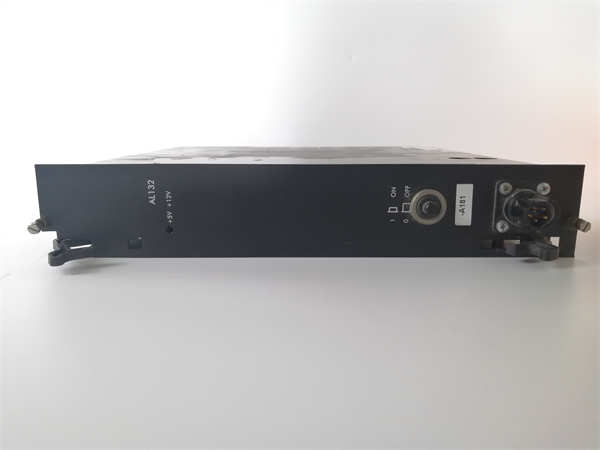
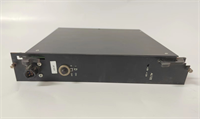
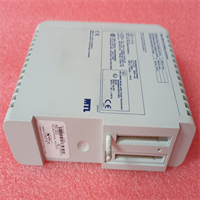
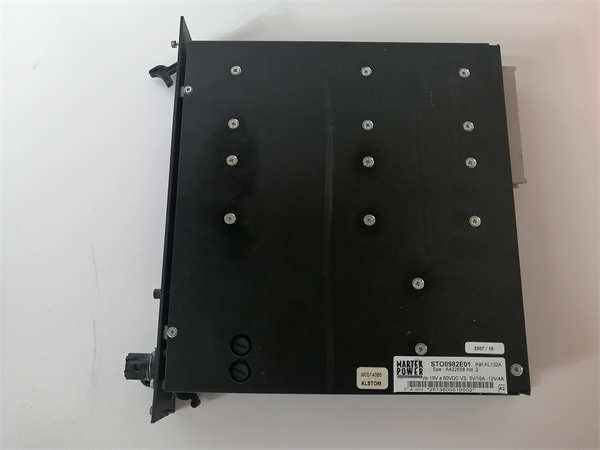
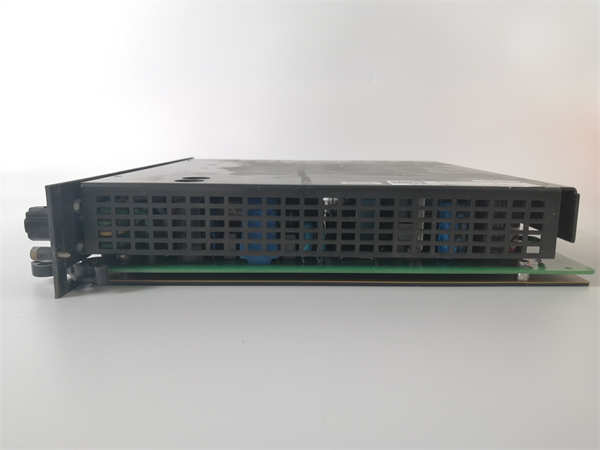
ALSTOM AL132
Lifecycle Status and Migration Strategy
ALSTOM discontinued the AL132 decades ago, and GE Vernova no longer provides official support, documentation, or repair services. Spare parts are virtually unobtainable through authorized channels, and third-party suppliers offer limited, unverified inventory at premium prices. Continued use exposes operators to significant operational and compliance risk.
Interim measures include retaining existing units as “golden spares,” performing functional bench tests before installation, or engaging specialized firms for reverse-engineering repairs. However, these are not sustainable long-term solutions.
The recommended migration path is replacement with a modern, certified turbine protection system such as GE’s Mark* VIe or third-party SIL-rated platforms like Triconex or Siemens T3000. These systems offer enhanced diagnostics, digital communication (e.g., Modbus, OPC UA), and compliance with current functional safety standards. Migration typically involves replacing the entire protection chassis, re-engineering I/O wiring, and revalidating all trip logic—but delivers improved reliability, auditability, and alignment with industry best practices. Early planning, including hazard and operability (HAZOP) reviews, is essential to ensure safe and compliant transition.