 Tel:
Tel:  Email:
  WhatsApp:
 Description
Technical Specifications (For Spare Part Verification)
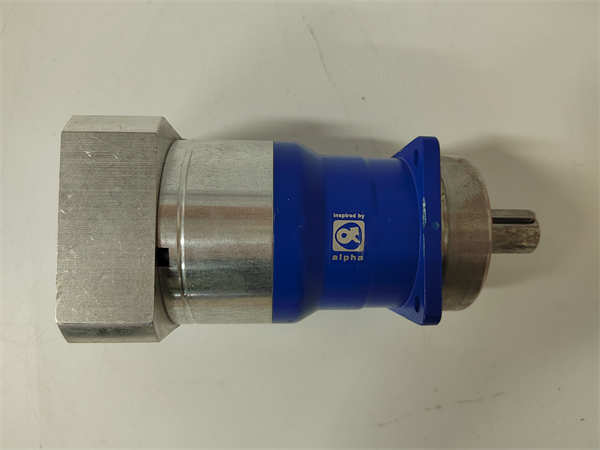
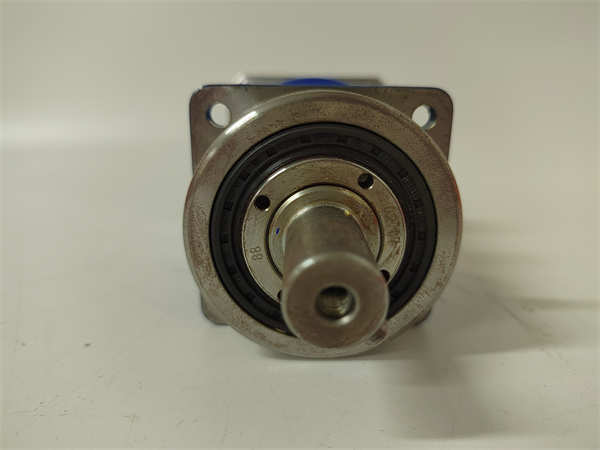
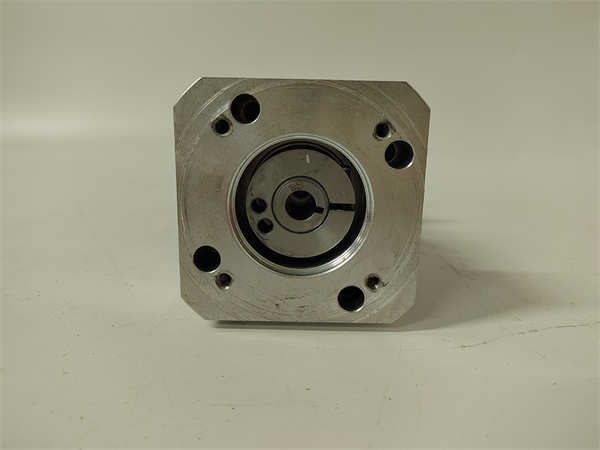
- Product Model: SP060S-MF2-20-1C1-2S
- Manufacturer: ALPHA
- System Family: MF2 Servo Drive Series
- Rated Power Output: 0.6 kW (continuous)
- DC Bus Voltage: 300 VDC (derived from 200–240 VAC single/three-phase input)
- Encoder Interface: Incremental TTL (RS422), 5 V differential, A/B/Z channels
- Control Mode: Velocity and position control via analog ±10 V command or pulse/direction
- Mounting Type: DIN rail or panel mount (book-style housing)
- Cooling Method: Natural convection (no fan)
- Firmware/Revision Identifier: Embedded in model suffix “-2S”; not field-upgradable
System Role and Downtime Impact
The ALPHA SP060S-MF2-20-1C1-2S typically serves as the dedicated servo amplifier for a single precision axis in compact OEM machinery built between the late 1990s and early 2010s. It is commonly found in labeling machines, small CNC routers, or robotic feeders where coordinated motion is required but full multi-axis controllers are unnecessary. Because it operates as a standalone drive without network integration, its failure directly disables the associated mechanical function. In a continuous production line—such as a bottling or pharmaceutical packaging system—loss of this axis can halt the entire process, resulting in unplanned downtime that may exceed 8–24 hours if no spare is available on-site.
Reliability Analysis and Common Failure Modes
Units like the SP060S-MF2 series remain in service due to their robust analog control architecture and simple design, which avoids complex firmware dependencies. However, after 15+ years of operation, several predictable failure mechanisms emerge. The most common is degradation of electrolytic capacitors on the DC bus and logic power supplies, leading to unstable voltage rails, erratic behavior, or complete power-on failure. Secondary issues include corrosion or oxidation on terminal blocks and encoder connectors, especially in humid or washdown environments, causing intermittent feedback loss. The drive’s lack of active cooling makes it sensitive to ambient temperature; prolonged operation above 45°C accelerates component aging. Additionally, the analog command interface is vulnerable to ground loops or EMI if shielded cabling practices were not maintained during original installation. For preventive maintenance, technicians should inspect for bulging capacitors, measure bus capacitance annually, clean all connectors with contact enhancer, and verify grounding integrity of both motor and encoder cables.
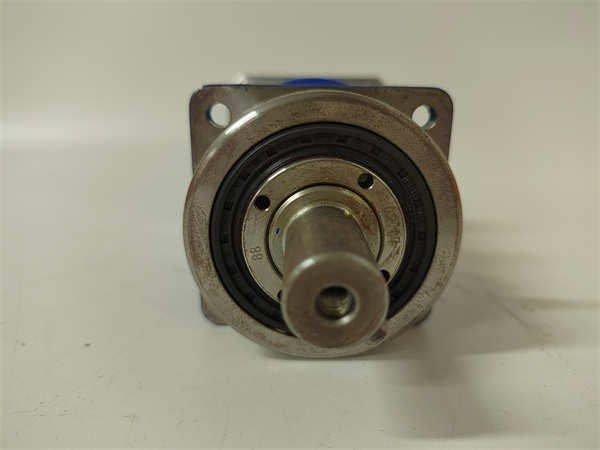
ALPHA SP060S-MF2-20-1C1-2S
Lifecycle Status and Migration Strategy
The ALPHA SP060S-MF2 series has been officially discontinued for over a decade, with no direct replacement offered by current rights holders (Lenze or successor entities). Continued use carries significant risk: spare units are scarce, often sourced from decommissioned equipment, and may have unknown operational history. Prices have risen sharply, and counterfeit or misrepresented units occasionally appear in the gray market. As a temporary measure, facilities may consider board-level repair by specialized third parties or stockpiling verified-good spares while availability lasts. For a sustainable path forward, migration to a modern equivalent is strongly advised. Industry-standard alternatives include the Lenze i500 (e.g., i510-0.75kW), Siemens SINAMICS V20 with position control option, or Delta ASDA-B3 series—each offering digital communication (Modbus RTU, CANopen), enhanced diagnostics, and longer-term support. Migration requires re-engineering the control interface (replacing ±10 V or pulse commands with fieldbus signals), motor compatibility verification, and mechanical mounting adaptation, but delivers improved reliability, energy efficiency, and future-proofing against further obsolescence.