 Tel:
Tel:  Email:
  WhatsApp:
 Description
Technical Specifications (For Spare Parts Verification)
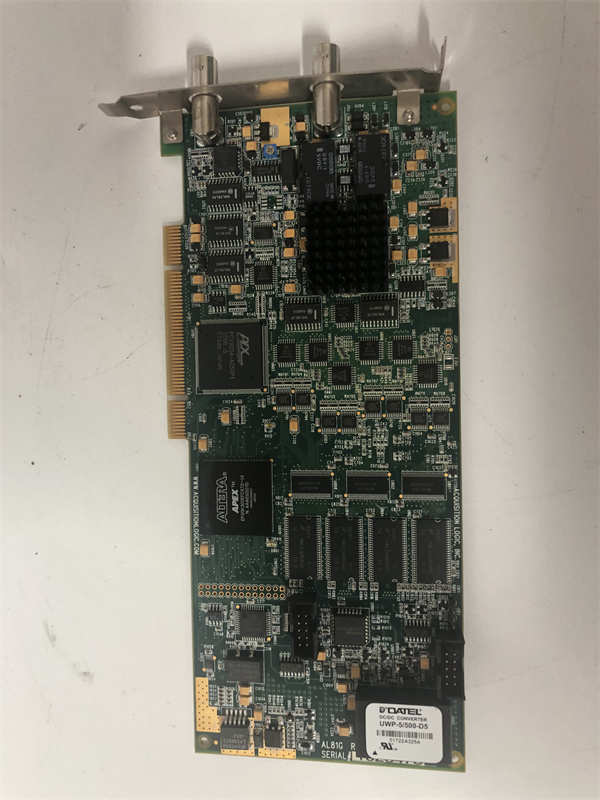
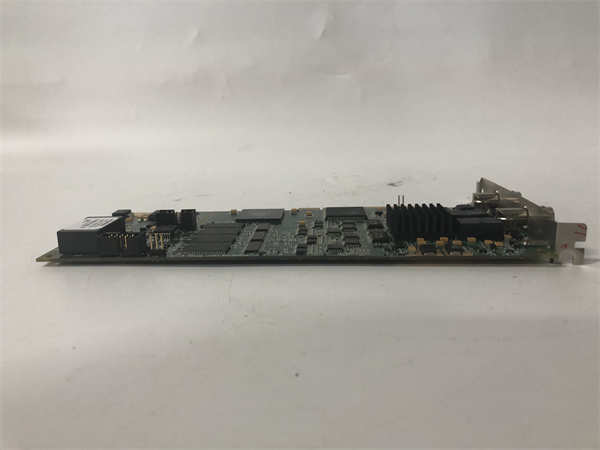
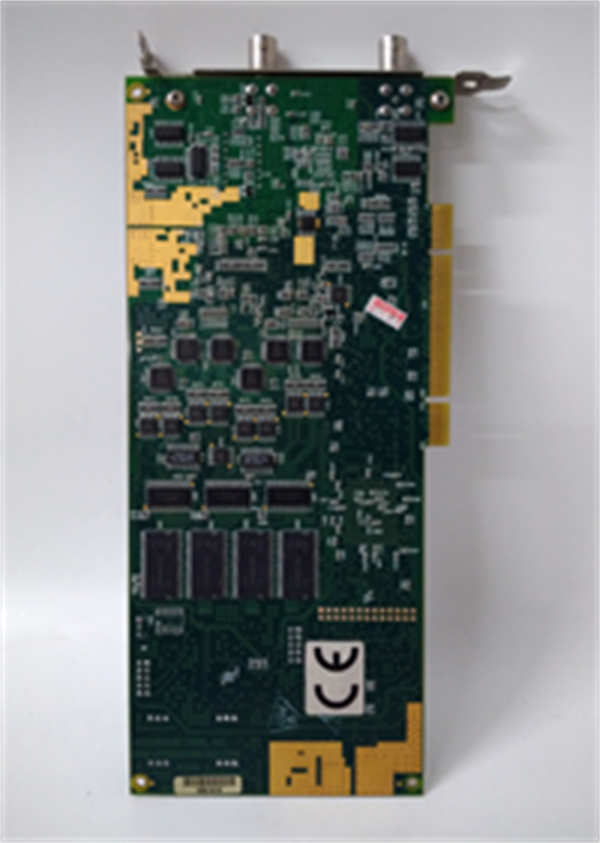
- Model: AL81G
- Manufacturer: AcquisitionLogic → VTI Instruments → AMETEK
- Platform: VXIbus (VME eXtensions for Instrumentation), C-size, register-based
- Function: Dual-channel, 12-bit high-speed digitizer / transient recorder
- Sampling Rate: Up to 100 MS/s (Mega Samples per second) per channel
- Bandwidth: Typically 30–40 MHz analog input bandwidth
- Input Range: Selectable ±0.1 V to ±20 V (software-configurable)
- Memory Depth: Up to 32 MB per channel (enables long-duration high-speed capture)
- Coupling: AC/DC, 50 Ω / 1 MΩ impedance options
- Triggering: Sophisticated multi-level triggering (edge, window, hysteresis, external)
- Calibration: Factory-calibrated; requires periodic NIST-traceable recalibration
- Software Support: Originally supported via VXIplug&play drivers, LabVIEW, MATLAB, and proprietary APIs
- Physical Interface: BNC or SMB front-panel inputs; VXI P1/P2 backplane connectors
System Role and Downtime Impact
The AL81G was a cornerstone instrument in high-reliability ATE systems used by defense contractors, power electronics labs, and aerospace integrators throughout the 1990s and 2000s. It enabled precise capture of fast events such as switch-mode power supply transients, radar pulses, EMI bursts, or fault currents. In certification test benches—where data integrity is legally binding—a failed or uncalibrated AL81G can invalidate entire test campaigns, delay product delivery, or trigger costly re-runs. Because VXI systems are tightly integrated, replacing the AL81G isn’t plug-and-play: driver compatibility, timing synchronization, and memory mapping must align with legacy software stacks, often written in obsolete development environments.
Reliability Analysis and Common Failure Modes
Despite robust industrial construction, the AL81G is now well beyond its design life, leading to predictable aging issues:
- ADC (Analog-to-Digital Converter) drift – component aging causes gain/offset errors, corrupting measurement accuracy.
- Onboard memory corruption – DRAM or SRAM chips degrade, leading to data dropouts or read/write failures during capture.
- Front-end amplifier failure – input protection circuits or op-amps fail due to repeated overvoltage exposure.
- VXIbus interface degradation – connector wear or FPGA configuration loss disrupts communication with the controller.
A critical weakness is the lack of self-diagnostics for analog path integrity. Users often only discover faults after comparing results with a known-good system. For preventive maintenance:
- Perform periodic self-tests using built-in calibration routines (if available)
- Validate against precision signal sources annually
- Store units powered periodically to prevent capacitor drying or battery-backed RAM loss
- Maintain original driver software and OS environment (e.g., Windows XP embedded) in a virtual machine
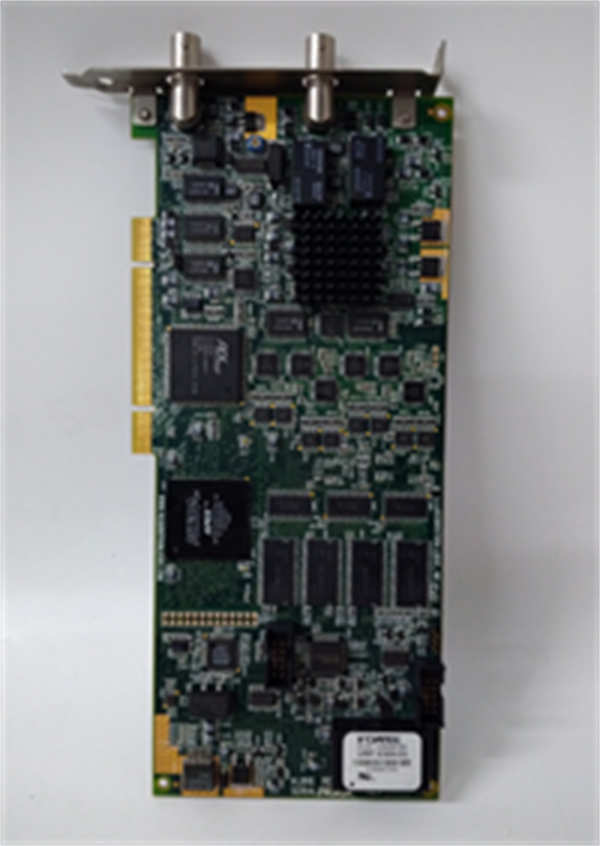
AL81G ACQUISITIONLOGIC
Lifecycle Status and Migration Strategy
AcquisitionLogic was absorbed into VTI Instruments in the early 2000s, which later became part of AMETEK. The AL81G was phased out in favor of LXI, PXIe, and USB-based digitizers. Official support ended years ago; firmware, drivers, and repair services are unavailable. Continuing to operate this module carries high risk: even if functional, it may not pass modern quality audits without valid calibration certificates.
Short-term mitigation includes:
- Securing tested, calibrated spares from specialized VXI legacy vendors
- Creating a golden reference dataset for cross-validation
- Isolating the VXI chassis on a dedicated network to avoid OS/driver conflicts
Long-term migration paths:
- PXIe Replacement: Use modern digitizers like the NI PXIe-5171 (100+ MS/s, 14-bit) or Keysight M9703B with equivalent or superior specs. Requires chassis, controller, and software rewrite.
- LXI/USB Digitizers: Instruments like Spectrum Instrumentation DN2.49x series offer similar performance with Ethernet control, easing integration into modern test PCs.
- Emulation Layer: Some labs use FPGA-based “wrapper” systems that mimic VXI register behavior, allowing partial reuse of legacy code—but this is complex and costly.
Any migration demands full re-validation of test procedures, uncertainty budgets, and compliance documentation—especially in ISO 17025 or DO-160 environments. Given the age of AL81G-based systems, delaying action risks total test capability loss. A structured obsolescence plan—including inventory audit, risk tiering, and pilot migration—is essential to sustain mission-critical test operations.