 Tel:
Tel:  Email:
  WhatsApp:
 Description
Key Technical Specifications (For Spare Parts Verification)
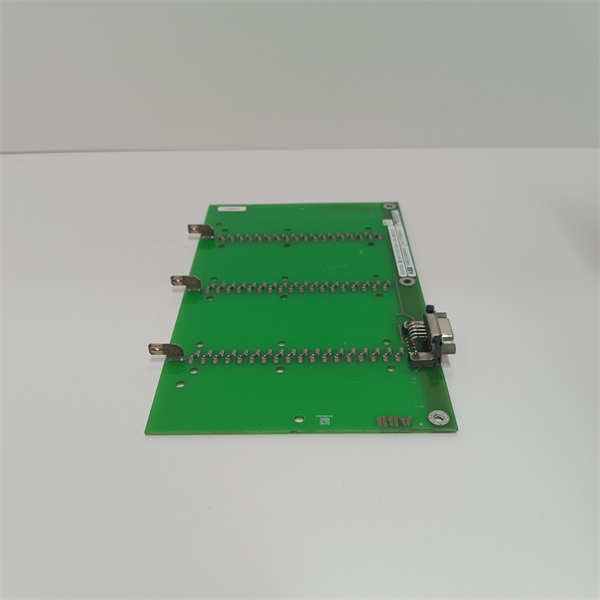
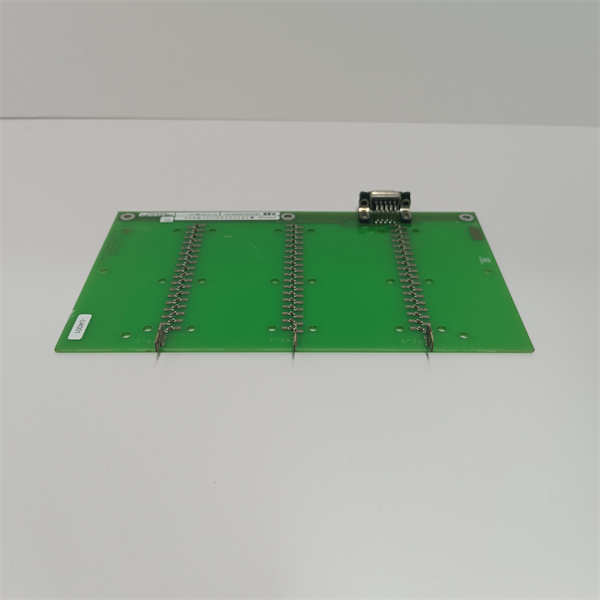
- Product Model: XVC770BE101
- Manufacturer Order Code: 3BHE021083R0101
- Manufacturer: ABB
- System Platform: AC 800M Controller (within ABB Ability™ System 800xA architecture)
- Module Type: Communication Interface Module (CI854)
- Primary Interface: 10/100 Mbps Ethernet (RJ-45)
- Supported Protocols: Modbus TCP, ABB proprietary AC 800M protocol, FTP (for file transfer), limited HTTP
- Backplane Connection: Connects to AC 800M CPU via internal bus (e.g., PM851, PM856)
- Configuration Tool: Control Builder M (System 800xA Engineering)
- IP Addressing: Static or BOOTP (no native DHCP client in early firmware)
- Diagnostic Features: Link/activity LEDs, error counters via software, module status in 800xA
- Mounting: Plug-in module in AC 800M I/O chassis adjacent to CPU
System Role and Downtime Impact
The XVC770BE101 (CI854) is the essential network gateway for legacy AC 800M systems. It enables engineers to download applications, operators to monitor processes via 800xA graphics, and historians to collect data for performance analysis. In many installations, it also serves as the conduit for safety-related communications or inter-controller messaging. If this module fails, the AC 800M CPU remains operational locally—but becomes inaccessible from all external systems. Operators lose real-time visibility, alarms stop propagating, and remote troubleshooting becomes impossible. In plants without local HMI panels, this can lead to complete operational paralysis. Replacement requires matching firmware versions, correct IP configuration, and validation of network services—all complicated by the declining availability of compatible System 800xA engineering stations and licensed software.
Reliability Analysis and Common Failure Modes
Deployed extensively from the mid-2000s to early 2010s, the CI854 is now prone to several age-related failure mechanisms:
- Ethernet PHY (physical layer) chip degradation, causing intermittent link drops or complete port failure—often misdiagnosed as switch or cable issues.
- Flash memory corruption, leading to loss of IP configuration or inability to initialize the network stack after power cycle.
- Internal oscillator drift, resulting in timing errors that disrupt TCP sessions or Modbus polling.
- Power supply filtering capacitor aging, increasing susceptibility to voltage sags and causing spontaneous resets during network traffic spikes.
- RJ-45 connector mechanical wear, especially in environments with frequent cable handling, leading to poor contact or EMI ingress.
A notable limitation is the lack of dual Ethernet ports in the base CI854 model, eliminating simple network redundancy. Preventive best practices include periodic ping and Modbus poll tests, inspection of network error logs in 800xA, ensuring stable power to the I/O chassis, and maintaining consistent firmware across spares.
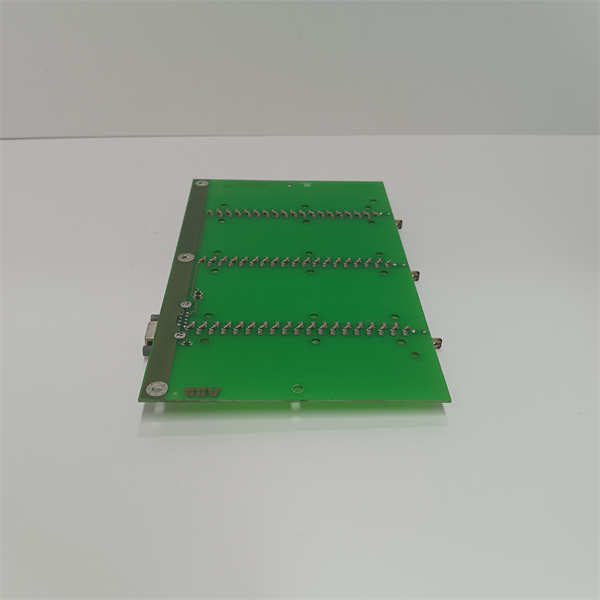
ABB XVC770BE101 3BHE021083R0101
Lifecycle Status and Migration Strategy
ABB has discontinued the XVC770BE101 (CI854) in favor of enhanced modules such as the CI854A (3BHE024003R0101), which offers improved security, dual Ethernet ports, and better compatibility with modern IT infrastructure. No new CI854 units are available through official distribution. Continued use introduces significant risk: surplus modules may have latent hardware faults, outdated firmware may lack patches for known vulnerabilities, and integration with Windows 10/11-based engineering stations is increasingly problematic due to driver incompatibilities.
Short-term mitigation includes:
- Sourcing only from certified vendors providing full functional test reports, including live Modbus TCP polling and FTP transfer validation
- Maintaining a pre-configured spare with identical IP and firmware settings
- Implementing external network monitoring (e.g., SNMP traps from managed switches) to detect early communication degradation
Long-term, the recommended path is replacement with the CI854A or migration to AC 800M High Performance CPUs (e.g., PM858) with integrated dual Ethernet. These upgrades provide:
- Native support for modern cybersecurity protocols (e.g., secure FTP, encrypted communications)
- Dual-port capability for network redundancy (PRP/HSR optional)
- Full compatibility with current System 800xA releases and Windows operating systems
- Enhanced diagnostics via web interface and OPC UA
While the upgrade requires reconfiguration of network parameters and potential application recompilation, it restores reliable connectivity, reduces cyber exposure, and ensures continued supportability of critical automation assets in alignment with IEC 62443 and other industrial standards.