 Tel:
Tel:  Email:
  WhatsApp:
 Description
Key Technical Specifications (For Spare Part Verification)
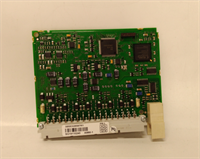
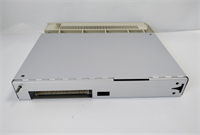
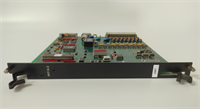
- Product Model: XDD501A101
- Manufacturer: ABB
- System Family: SATT 190 (Symphony Plus predecessor)
- Input Type: 32 channels, 24 VDC dry contact or TTL-compatible
- Input Voltage Range: 18–30 VDC (nominal 24 VDC)
- Isolation: Opto-isolated inputs with common ground per group of 8 channels
- Backplane Compatibility: Requires SATT 190 I/O baseplate (e.g., XD900 series carrier)
- Diagnostic Capability: Basic LED indicators per channel; no advanced self-diagnostics
- Physical Form Factor: Standard SATT 190 plug-in module (approx. 160 mm height, DIN-rail mountable via carrier)
- Operating Temperature: 0°C to +60°C
-

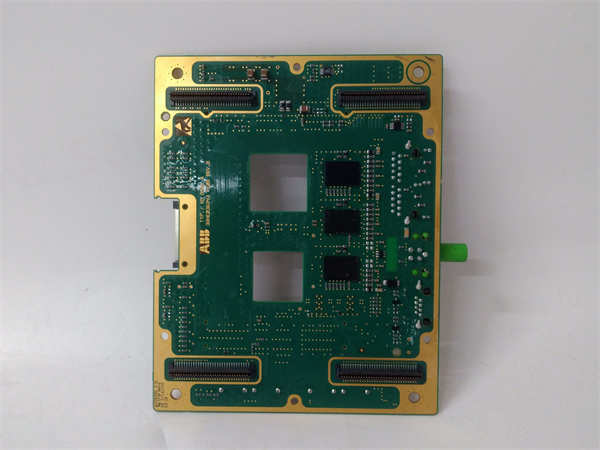
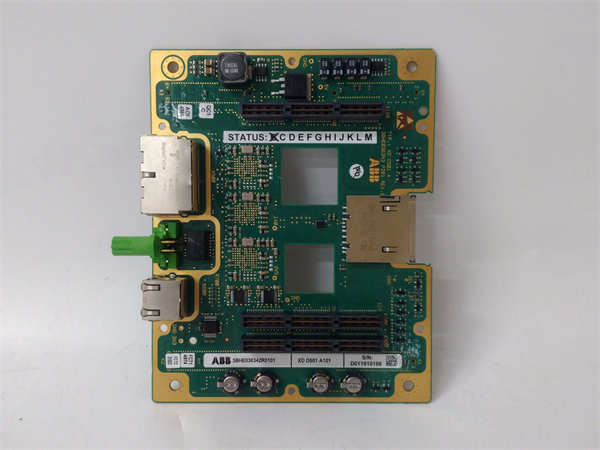
XDD501A101 3BHE036342R0101
System Role and Downtime Impact
The XDD501A101 serves as a foundational digital input interface in ABB’s legacy SATT 190 control systems, commonly deployed in power generation, oil & gas, and heavy industrial facilities from the 1980s to early 2000s. It directly connects field devices—such as limit switches, motor starters, and emergency stop buttons—to the central controller. If this module fails, the associated control logic loses visibility into critical binary states. Depending on its assignment, failure can trigger false trips, inhibit startup sequences, or—more critically—disable safety interlocks, potentially leading to unscheduled plant shutdowns or unsafe operating conditions. In many installations, redundancy was not implemented at the I/O level, making this module a single point of failure.
Reliability Analysis and Common Failure Modes
Despite its robust industrial design, the XDD501A101 is now well beyond its intended service life. The most prevalent failure mechanisms stem from component aging rather than operational stress. Electrolytic capacitors on the internal power regulation circuitry frequently degrade over time, leading to voltage instability and intermittent channel dropout. Additionally, the optocouplers used for input isolation exhibit reduced CTR (current transfer ratio) after decades of operation, causing signal attenuation and missed transitions. The module lacks battery-backed memory but relies on stable backplane power; any brownout event can corrupt internal state logic if the host rack power supply is marginal. Environmental factors also contribute: dust accumulation in unsealed control rooms accelerates connector corrosion, particularly on the DIN 41612 backplane pins. As a maintenance best practice, technicians should routinely inspect for swollen capacitors, clean backplane contacts with contact enhancer spray, verify 24 VDC supply integrity at the terminal block, and log channel error rates during routine rounds to detect early degradation.
-
XDD501A101 3BHE036342R0101
Lifecycle Status and Migration Strategy
ABB officially discontinued the SATT 190 platform, including the XDD501A101, with no direct drop-in replacement available. Continued use carries significant operational risk: spare parts are scarce, often sourced from decommissioned sites with unknown usage history, and prices have risen sharply due to scarcity. While temporary mitigation includes sourcing tested surplus units or performing board-level repairs (e.g., capacitor rework), these are short-term fixes. ABB’s recommended migration path is a full transition to Symphony Plus or Ability™ System 800xA, which requires engineering effort—including I/O re-mapping, logic re-implementation, and operator training—but delivers long-term support, cybersecurity compliance, and integration with modern asset management tools. For facilities unable to fund full migration immediately, a phased approach is advised: prioritize critical I/O racks for early replacement, maintain a verified spare pool of XDD501A101 modules under controlled storage, and implement enhanced monitoring to predict failures before they cause outages.