 Tel:
Tel:  Email:
  WhatsApp:
 Description
Technical Specifications (For Spare Part Verification)
- Product Model: XDD501A101
- Manufacturer: ABB (Sweden/Finland)
- System Platform: ABB SATT 190 Distributed Control System (DCS)
- Module Type: Digital output (DO), relay-based
- Output Channels: 16 independent SPDT (Single Pole Double Throw) relay contacts
- Contact Rating: 250 V AC / 30 V DC, 2 A resistive load per channel
- Isolation: Opto-isolated inputs; relay contacts electrically isolated from logic and each other
- Backplane Interface: Proprietary SATT 190 parallel bus with +5 V, ±12 V power rails
- LED Indicators: One per channel for visual status (ON/OFF)
- Operating Temperature: 0°C to +55°C
- Physical Format: Standard SATT 190 I/O module (approx. 240 mm height, DIN rail mountable in cabinet)
System Role and Downtime Impact
The XDD501A101 is a key actuation interface in SATT 190 systems commonly deployed in thermal power plants, refineries, and industrial facilities built in the 1980s–1990s. It translates controller logic into physical actions—such as opening a fuel shutoff valve, starting a feedwater pump, or activating an emergency vent. Because its outputs often connect directly to safety-critical equipment, a failed module can prevent automatic responses during abnormal conditions. In a boiler-turbine-generator unit, loss of multiple DO channels could inhibit a proper trip sequence, forcing manual intervention or leading to equipment damage. Unplanned outages due to I/O failure in such environments typically result in multi-day downtime and regulatory reporting obligations.
Reliability Analysis and Common Failure Modes
Despite robust initial design, the XDD501A101 is now well beyond its service life expectancy (typically 15–20 years). The most prevalent failure mechanisms include:
- Relay contact wear or welding: After millions of operations, mechanical relay contacts degrade—either failing to close (open circuit) or sticking closed (fail-safe compromised). High inrush currents from solenoids accelerate this wear.
- Optocoupler degradation: The input isolation components age under continuous operation, leading to signal dropout or erratic switching.
- PCB trace corrosion: In high-humidity or sulfur-rich environments (e.g., near coal handling), copper traces under relay coils corrode, causing intermittent opens.
- Power supply stress: Repeated thermal cycling fatigues solder joints on the backplane connector and voltage regulators, resulting in intermittent module resets.
A notable design limitation is the lack of self-diagnostics—there is no feedback to the controller confirming actual contact state, only command status. For preventive maintenance, engineers should:
- Perform annual functional tests by commanding each output and verifying field device response
- Inspect for discoloration or burnt smell near relay coils
- Measure contact resistance during outages (should be <100 mΩ)
- Maintain spare modules in dry, temperature-controlled storage with anti-static protection
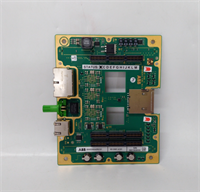
ABB XDD501A101
Lifecycle Status and Migration Strategy
ABB formally ended support for the SATT 190 platform decades ago, and the XDD501A101 has not been manufactured for over 20 years. No official repair services or technical documentation updates are available from ABB. Continuing to operate SATT 190 systems exposes facilities to escalating risk: authentic spares are dwindling, and untested units from secondary markets may introduce latent failures.
Interim risk-mitigation measures include:
- Securing tested, burn-in-verified spares from specialized industrial automation suppliers with traceable history
- Implementing external monitoring (e.g., current sensors on output lines) to detect relay failures
- Stocking redundant modules for critical loops where panel space allows
For sustainable operation, ABB’s recommended migration path is to the System 800xA platform with AC 800M controllers. This modernization requires replacing I/O cabinets, re-engineering control logic, and retraining personnel—but delivers cybersecurity compliance, remote diagnostics, seamless integration with enterprise systems, and a supported lifecycle through mid-century. For assets with remaining operational value, this transition is not just advisable—it is essential.