 Tel:
Tel:  Email:
  WhatsApp:
 Description
Key Technical Specifications (For Spare Parts Verification)
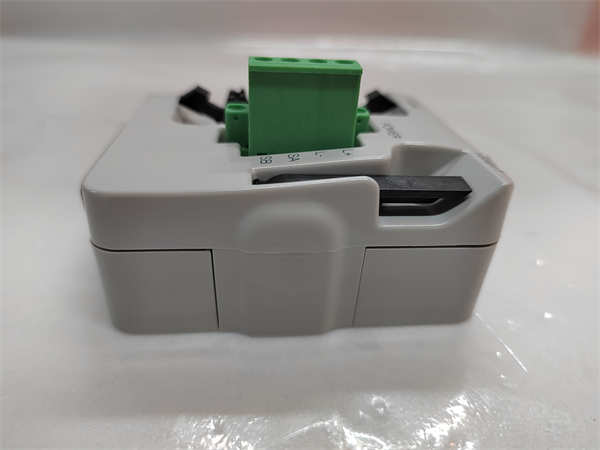
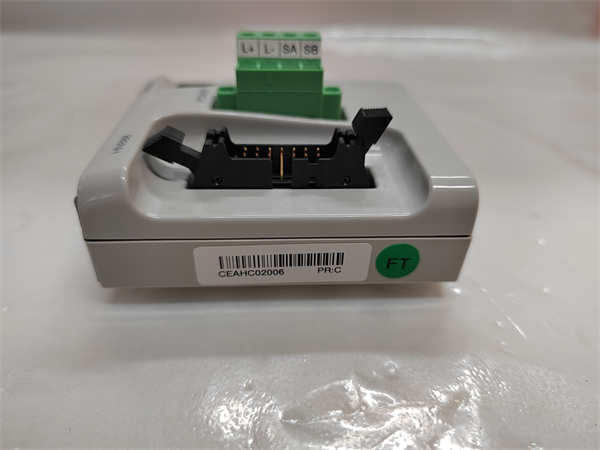
- Product Model: VBX01TA
- Manufacturer: ABB
- System Family: AC 800M Automation Platform (S800 I/O Architecture)
- Communication Protocol: Profibus DP (IEC 61158)
- Operating Mode: Configurable as Master or Slave
- Data Rate: Up to 12 Mbps (auto-baud or fixed)
- Electrical Interface: RS-485 via 9-pin D-sub connector (isolated)
- Supported GSD Files: ABB-provided device profiles for drives, I/O, and valves
- Mounting: Standard slot in AC 800M communication chassis (e.g., with TB840A/TB850A baseplate)
- Diagnostic Features: LED indicators for PWR, RUN, BF (bus fault), and MODULE status
System Role and Downtime Impact
The ABB VBX01TA serves as a critical fieldbus interface in legacy AC 800M systems, commonly used to connect variable frequency drives (VFDs), remote I/O stations (e.g., ET200M), or smart valve positioners in industries such as pulp & paper, mining, and water treatment. It enables high-speed cyclic data exchange between the central controller and distributed field devices—reducing wiring costs and enabling real-time diagnostics.
If the VBX01TA fails—due to power surge, firmware corruption, or hardware fault—all devices on its Profibus segment become unreachable. The AC 800M CPU typically logs a “Communication Fault” and may disable associated control loops, leading to degraded operation or full process trip. In drive-controlled applications (e.g., conveyor belts or pumps), this can cause immediate mechanical stoppage. Recovery requires physical replacement and, in some cases, re-downloading of configuration—a process that can take hours if spares are not pre-tested.
Reliability Analysis and Common Failure Modes
Although designed for industrial environments, the VBX01TA exhibits several recurring failure mechanisms:
- RS-485 transceiver damage: Voltage spikes from improper grounding or lightning-induced surges on the Profibus cable can destroy the isolated communication ICs, causing permanent bus-off conditions.
- Firmware corruption: Power interruptions during online updates or aging flash memory can render the module unresponsive, requiring re-flashing via ABB tools (now difficult due to software obsolescence).
- Connector wear: Repeated mating/unmating of the D-sub connector or vibration in harsh environments leads to intermittent contact, manifesting as sporadic bus errors.
A key design limitation is the lack of modern cybersecurity features (e.g., authentication, encryption), making it unsuitable for networks with IT/OT convergence requirements. Preventive maintenance should include:
- Installing external Profibus surge protectors at cabinet entry points
- Verifying proper shield termination and single-point grounding
- Monitoring bus error counters via Control Builder M (if accessible)
- Keeping a known-good spare with matching firmware version on hand
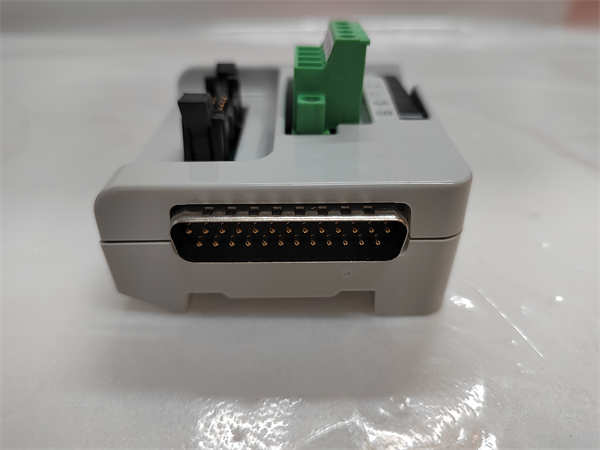
ABB VBX01TA
Lifecycle Status and Migration Strategy
ABB has officially discontinued the VBX01TA and no longer provides firmware updates, GSD files, or technical support. It has been replaced by more versatile modules such as the VBCI (for Profibus and Modbus) or NCOM (for Ethernet-based protocols). No new units have been manufactured for over a decade.
Continued use carries significant operational and security risk. Secondary-market units often lack traceability, and mismatched firmware revisions can prevent integration into existing projects.
Interim mitigation strategies include:
- Sourcing and functionally testing spares with documented compatibility
- Isolating Profibus segments on dedicated, non-routed networks
- Implementing protocol gateways (e.g., Anybus) to bridge to modern systems without full replacement
For long-term sustainability, ABB recommends migrating to the AC 800M Communication Modules with Ethernet support (e.g., NCOM 3BSE043962R1) and replacing Profibus devices with PROFINET or EtherNet/IP equivalents where possible. This transition enables:
- Use of standard IT infrastructure (switches, firewalls)
- Access to OPC UA for MES/cloud integration
- Reduced dependency on obsolete serial fieldbuses
While migration requires re-engineering of communication architecture and potential device replacement, it eliminates reliance on an unsupported, vulnerable component in mission-critical control systems. Given the VBX01TA’s role as a single point of failure for entire field networks, proactive planning is essential to avoid disruptive outages.