 Tel:
Tel:  Email:
  WhatsApp:
 Description
Technical Specifications (For Spare Parts Verification)
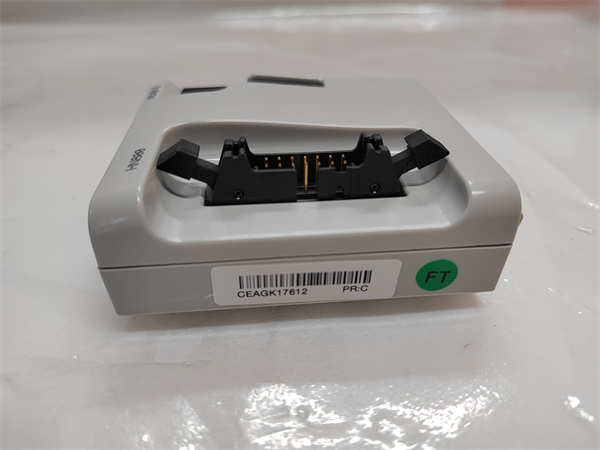
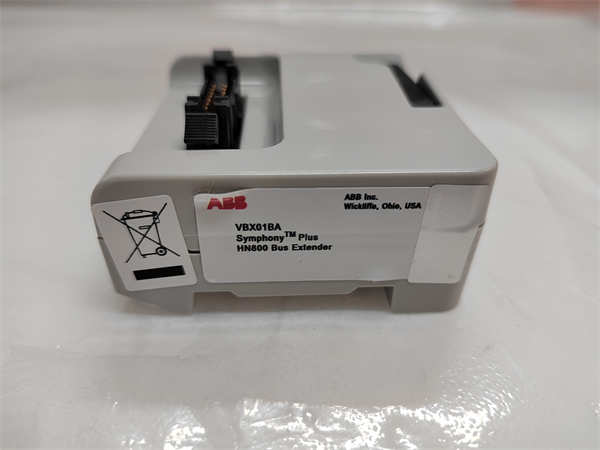
- Product Model: VBX01BA
- Manufacturer: ABB
- System Family: ABB System 800xA with AC 800M controller (PM86x series)
- Communication Protocol: Profibus DP (Master/Slave capable)
- Physical Interface: 2 × isolated RS-485 ports (9-pin D-sub), supporting line or redundant ring topology
- Data Rate: 9.6 kbps to 12 Mbps (configurable via Control Builder M)
- Maximum Slave Devices: Up to 126 per segment
- Redundancy Support: Yes – supports hot-swap and dual-module redundancy in AC 800M redundant systems
- Mounting: Standard I/O module slot in AC 800M rail
- Diagnostic Indicators: LED status for RUN, ERROR, and BUS activity per channel
- Power Consumption: ~5 W
- Operating Temperature: 0°C to +60°C
System Role and Downtime Impact
The ABB VBX01BA serves as a key communication gateway in legacy AC 800M-based control systems, commonly found in power plants, water treatment facilities, and industrial process lines. It connects the controller to distributed field devices such as ABB S800 I/O stations, ACS800/880 drives, and third-party Profibus instruments. In non-redundant configurations, a VBX01BA failure severs all communication on its bus segment, resulting in loss of input signals and output commands—often triggering safety interlocks or operator-initiated shutdowns. Even in redundant setups, degradation of one module increases load on the backup and may go undetected until a second fault occurs. Given its role in maintaining real-time data flow, unplanned loss of this module directly impacts operational continuity and regulatory compliance.
Reliability Analysis and Common Failure Modes
Although designed for industrial environments, the VBX01BA is susceptible to long-term reliability issues:
- RS-485 transceiver failure: Repeated exposure to ground loops or voltage surges degrades isolation barriers and driver ICs, leading to intermittent communication or complete port lockup.
- Configuration memory corruption: Older EEPROM variants may lose GSD mapping or node address settings after repeated power cycles or EMI events.
- Connector wear: Frequent handling or vibration loosens D-sub pins, causing signal reflection and CRC errors on the bus.
- Capacitor aging: Onboard filtering capacitors dry out over time, reducing noise immunity and causing erratic behavior at high baud rates.
A notable limitation is the lack of advanced diagnostics compared to later modules like the CI854A—error reporting is often limited to basic LED indications. As preventive maintenance, operators should:
- Monitor Profibus error counters in Control Builder M or Asset Optimization tools
- Perform periodic bus health checks using protocol analyzers (e.g., Procentec)
- Inspect D-sub connectors for bent pins or corrosion during scheduled outages
- Verify firmware revision consistency across redundant pairs
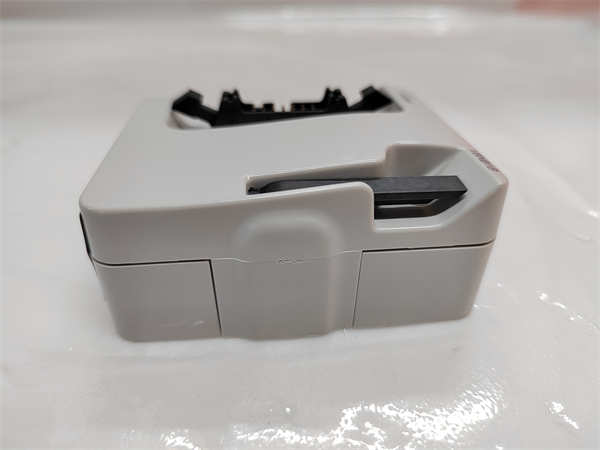
ABB VBX01BA
Lifecycle Status and Migration Strategy
ABB has officially discontinued the VBX01BA, replacing it with the CI854A (order code 3BHB009885R0021), which offers enhanced diagnostics, better EMC performance, and extended lifecycle support. New VBX01BA units are unavailable through official channels, and remaining inventory exists only in the secondary market—often without functional validation.
As a temporary mitigation, users should:
- Source spares only from vendors who test modules on live AC 800M racks with actual Profibus traffic
- Maintain at least one verified spare per critical controller
- Back up GSD files and network configuration separately from the module itself
For long-term sustainability, migration to the CI854A is recommended. This typically requires:
- Updating the hardware configuration in Control Builder M
- Reassigning Profibus addresses if necessary
- Verifying compatibility with existing GSD files (most remain valid)
Until migration is feasible, proactive testing and strategic spares management remain essential to avoid communication-related downtime in legacy ABB automation systems.