 Tel:
Tel:  Email:
  WhatsApp:
 Description
Key Technical Specifications (For Spare Parts Verification)
- Product Model: UNS0119A-Z, Version 1
- Manufacturer: ABB
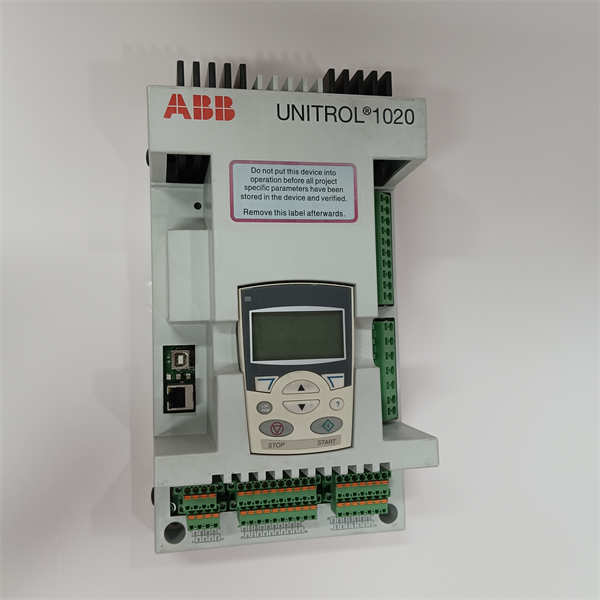
- System Family: UNITROL 1020 Static Excitation System
- ABB Part Number: 3BHE030579R0001
- Function: Main control and regulation board (core CPU module)
- Form Factor: Proprietary PCB assembly for 19″ rack-mounted UNITROL 1020 cabinet
- Interface: Analog/digital I/O for PT/CT signals, field current feedback, and breaker status
- Regulation Type: PID-based automatic voltage regulator (AVR) with manual backup
- Communication: RS-485 or proprietary serial link to HMI/operator panel (no Ethernet)
- Firmware Dependency: Tied to specific software version; not field-upgradable without calibration
- Environmental Rating: Designed for indoor switchyard or generator control room (IP20)
System Role and Downtime Impact
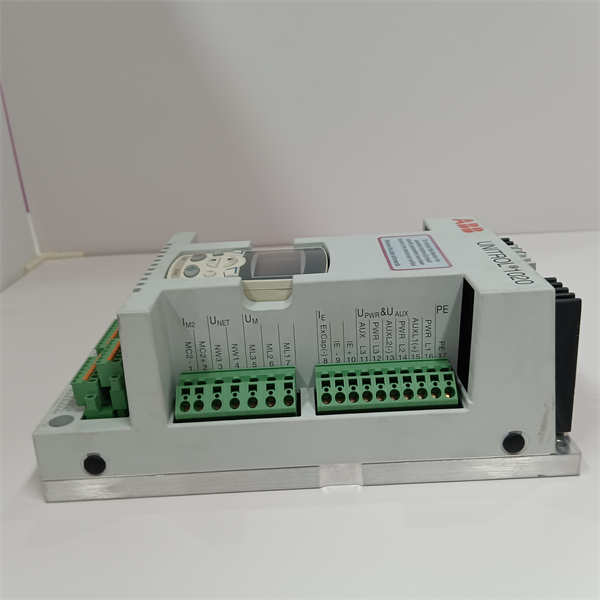
The UNS0119A-Z board is the central intelligence of the UNITROL 1020 excitation system, which directly controls the rotor field current of large synchronous generators in power plants, industrial cogeneration units, or marine propulsion systems. It continuously regulates terminal voltage, provides reactive power support, and enforces over-excitation/under-excitation limits. Failure of this board typically results in immediate loss of automatic voltage regulation, triggering either a controlled transfer to manual mode (if available) or an uncontrolled generator trip. In grid-connected applications, such a fault can cause voltage instability or cascade outages. For isolated plants, it may lead to complete blackouts. Given its role in maintaining grid compliance and machine protection, this component is classified as safety- and availability-critical.
Reliability Analysis and Common Failure Modes
Despite robust industrial design, the UNS0119A-Z suffers from aging-related vulnerabilities common to early-2000s embedded control hardware. The most prevalent failure mechanisms include electrolytic capacitor drying-out on the power supply section, leading to voltage ripple and erratic behavior; corrosion or cold solder joints on high-current sense traces; and degradation of analog signal conditioning components (e.g., op-amps, precision resistors), causing drift in voltage setpoints. The board also contains battery-backed SRAM for configuration retention—these coin cells often leak after 10–15 years, damaging surrounding circuitry. Additionally, the lack of conformal coating makes it sensitive to humidity and conductive dust in harsh environments. Preventive maintenance should include infrared thermography during operation to detect hot spots, periodic calibration checks against reference signals, visual inspection for capacitor bulging or PCB discoloration, and proactive replacement of onboard batteries every 5–7 years—even if functional.
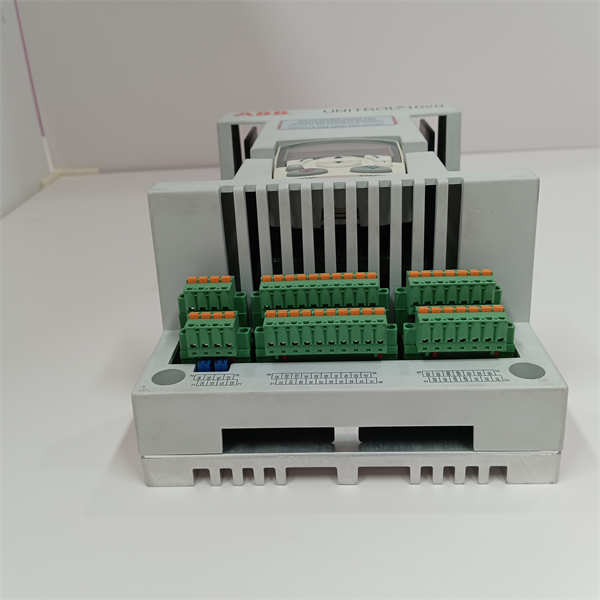
ABB UNITROL 1020 UNS0119A-Z,V1 3BHE030579R0001
Lifecycle Status and Migration Strategy
ABB has discontinued the UNITROL 1020 platform, including the UNS0119A-Z (3BHE030579R0001), with official support phased out. Continuing to operate on this hardware exposes facilities to escalating risks: spare modules are scarce, often untested, and may originate from decommissioned sites with unknown service history. Temporary mitigation includes maintaining multiple tested spares, implementing board-level repair contracts with specialized third parties, and isolating the unit from electrical transients via upgraded surge protection. However, the sustainable path is migration. ABB’s recommended upgrade is to the UNITROL 6000 or UNITROL 8000 platforms, which offer digital signal processor (DSP)-based control, Ethernet connectivity, cyber-secure remote access, and compliance with modern grid codes (e.g., IEEE C37.117). Migration typically requires cabinet retrofitting, rewiring of I/O, re-engineering of control logic, and recommissioning—but preserves the existing power stack (thyristor bridges, transformers). Planning this transition during major outages minimizes operational disruption while future-proofing critical power infrastructure.