 Tel:
Tel:  Email:
  WhatsApp:
 Description
Key Technical Specifications (For Spare Parts Verification)
- Product Model: UDC920BE01
- Manufacturer Order Code: 3BHE034863R0001
- Manufacturer: ABB
- System Platform: AC 500-S Safety PLC (part of ABB’s safety automation portfolio)
- Module Type: Safety CPU (SIL 3 certified)
- Processor Architecture: Dual-core lockstep or redundant execution (per safety design)
- Memory: Integrated safety program memory (non-volatile, battery-backed or flash-based)
- Communication Interfaces: RS-485 (for programming), optional Ethernet via safety communication modules (e.g., UDC940)
- Safety Protocols Supported: PROFIsafe (over PROFINET or PROFIBUS), FSoE (Fail Safe over EtherCAT, if equipped)
- Programming Environment: Automation Builder Safety (formerly PS501 Safety)
- Diagnostics: Comprehensive self-tests at power-on and runtime, safety status LEDs, error logging
- Mounting: DIN rail-mounted in AC 500-S chassis with dedicated safety power supply
System Role and Downtime Impact
The UDC920BE01 is the certified heart of ABB AC 500-S safety systems, commonly deployed in oil & gas ESD panels, boiler BMS, and chemical reactor interlocks. It continuously evaluates safety-critical inputs (e.g., high-pressure switches, flame detectors, emergency stops) and triggers fail-safe outputs (e.g., valve closures, motor trips) when hazardous conditions are detected. Unlike standard PLCs, its operation is governed by functional safety standards—any undetected fault must not lead to dangerous failure. If this CPU fails or enters a fault state, the system typically defaults to a safe state (e.g., full trip), halting production immediately. In non-redundant installations—which are common due to cost—recovery requires replacement with a module of identical hardware revision and certified firmware version, followed by re-validation of the entire safety application. Delays are exacerbated by the scarcity of verified spares and the need for certified safety engineers to perform re-commissioning.
Reliability Analysis and Common Failure Modes
Deployed primarily in the 2010s, the UDC920BE01 is now subject to latent aging effects despite its robust safety architecture. Common failure modes include:
- Flash memory wear-out in the safety program storage, leading to checksum errors or inability to load certified logic after power cycle.
- Internal watchdog or comparator circuit drift, causing false safety faults and unnecessary trips—even when field devices are healthy.
- RS-485 transceiver degradation, preventing connection to engineering tools for diagnostics or updates.
- Electrolytic capacitor aging in internal power filtering, increasing susceptibility to voltage sags and causing intermittent resets during electrical disturbances.
- Terminal block or DIN rail contact corrosion, especially in humid or corrosive environments, leading to unstable power delivery.
A critical vulnerability is the strict dependency on exact firmware and hardware revision matching; even minor mismatches can invalidate the safety certification. Preventive maintenance should include regular backup of the certified safety program, monitoring of diagnostic logs for early fault indications, visual inspection for component bulging or discoloration, and verification of power supply stability under load.
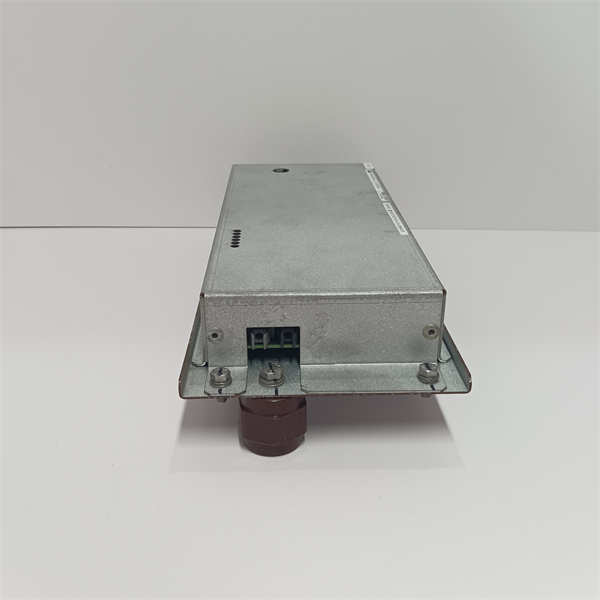
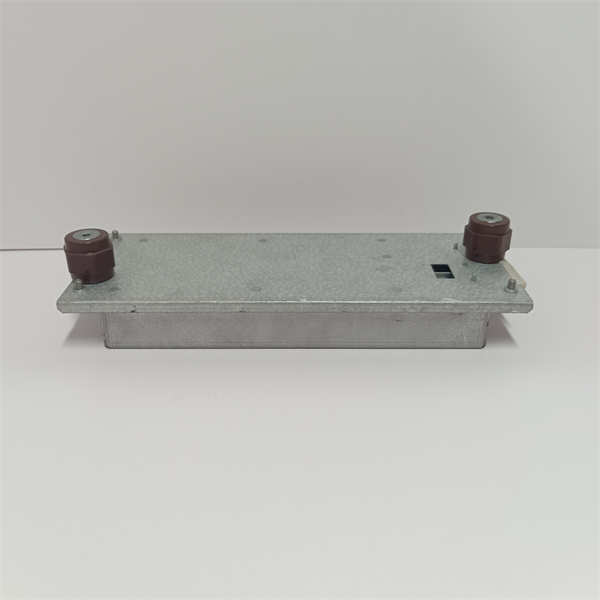
ABB UDC920BE01 3BHE034863R0001
Lifecycle Status and Migration Strategy
ABB has discontinued the UDC920BE01 as part of its evolution toward more integrated and cyber-resilient safety platforms, including enhanced AC 500-S variants (e.g., UDC921BE01) and convergence with the ABB Ability™ System 800xA Safety environment. No new units are available through official channels. Continued use carries significant compliance and operational risk: untested surplus may lack valid safety certification documentation, firmware mismatches can void SIL claims, and modern cybersecurity requirements (e.g., secure remote access) cannot be met.
Short-term mitigation includes:
- Sourcing only from vendors providing full traceability, including original safety certification records and functional test reports under load
- Maintaining a matched spare (same hardware ID, same firmware) stored in controlled conditions
- Performing periodic proof tests per IEC 61511 requirements using validated procedures
Long-term, the recommended path is migration to UDC921BE01 or newer AC 500-S CPUs, which offer:
- Higher performance and larger safety program capacity
- Integrated Ethernet with support for secure protocols (e.g., OPC UA Safety)
- Improved diagnostics and remote monitoring capabilities
- Ongoing compliance with IEC 61508:2010 and IEC 62443
Migration requires re-engineering of the safety application in Automation Builder Safety, re-validation of all safety functions, and re-certification by a competent body—but ensures continued regulatory compliance, restores access to ABB support, and enhances resilience against both process hazards and emerging cyber threats in critical industrial operations.