 Tel:
Tel:  Email:
  WhatsApp:
 Description
Key Technical Specifications (For Spare Part Verification)
- Product Model: TP867
- ABB Order Code: 3BSE043664R1
- Manufacturer: ABB
- System Family: AC 800M automation platform (part of Extended Automation System 800xA)
- Module Type: Terminal processing unit (base unit for I/O modules)
- Supported I/O Modules: Compatible with TU85x/TU86x series terminal units
- Communication Interface: Connects to CI854/CI864 communication modules via ModuleBus
- Power Supply: Powered through backplane; typical current draw ~200 mA at 24 V DC
- Mounting: DIN rail mount within I/O cabinet
- Diagnostic Features: LED indicators for module status, bus communication, and power
- Operating Temperature: 0°C to +55°C (standard industrial range)
System Role and Downtime Impact
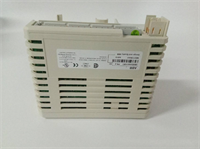
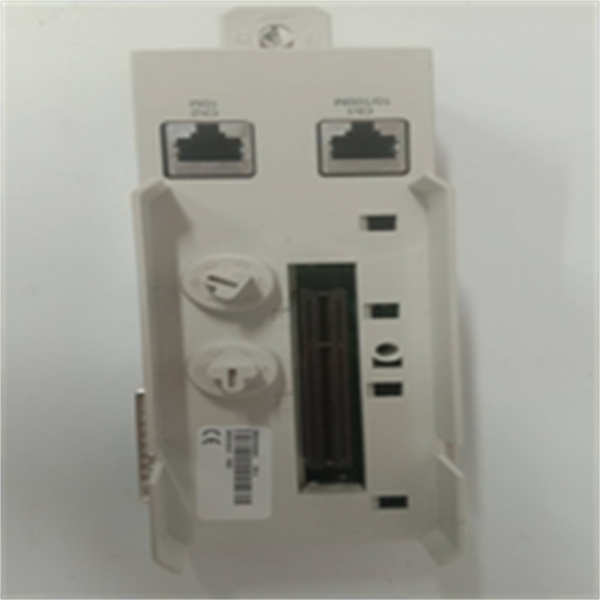
The TP867 serves as a foundational hardware interface in ABB’s AC 800M distributed control systems. It acts as the mechanical and electrical backbone for plugging in various I/O terminal units (e.g., analog input, digital output), enabling field signals to reach the central controller. While not a standalone processor, it is essential for physical I/O expansion. In legacy 800xA installations—common in power generation, pulp & paper, and mining—a failed or missing TP867 prevents replacement or reconfiguration of connected I/O channels. If deployed in a non-redundant I/O station, its failure can disable an entire I/O rack, potentially disrupting control of critical equipment such as pumps, valves, or motors. Although the controller may remain online, loss of I/O connectivity often forces operational derating or manual intervention, increasing safety and production risks.
Reliability Analysis and Common Failure Modes
The TP867 is a passive backplane-style module with no onboard firmware, which contributes to its long field life. However, after 15–20 years of service in industrial environments, common failure mechanisms emerge. The primary risk lies in connector wear: repeated module insertion/removal or vibration can degrade the gold-plated contacts on the ModuleBus edge connector, leading to intermittent communication faults that are difficult to trace. Additionally, exposure to humidity or corrosive atmospheres may cause oxidation on terminal blocks or PCB traces, especially if cabinet sealing is inadequate. Though rare, internal PCB delamination due to thermal stress can also occur.
Since the module contains no batteries or capacitors, aging-related electronic drift is minimal. Nevertheless, visual inspection should focus on connector integrity, signs of arcing near terminal screws, and PCB discoloration. Preventive measures include ensuring proper cabinet climate control, avoiding unnecessary module swaps, and maintaining spare TP867 units in static-safe storage to preserve contact quality.
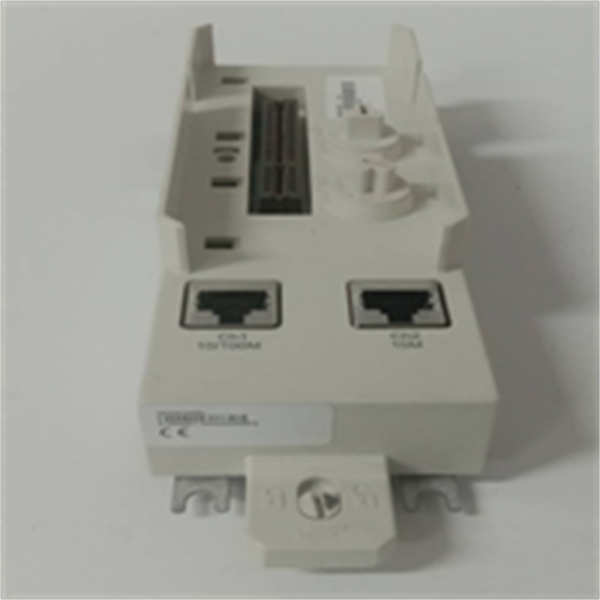
ABB TP867 3BSE043664R1
Lifecycle Status and Migration Strategy
ABB has classified the TP867 (3BSE043664R1) as obsolete, with official end-of-life announcements issued in the early 2010s. No new units are manufactured, and ABB no longer provides repair or exchange services for this part. Continued reliance on this module introduces supply chain vulnerability—available spares are limited to surplus stock or decommissioned systems, often sold at inflated prices with no warranty.
As a temporary mitigation, facilities can inventory and protect existing TP867 units, avoid hot-swapping, and implement strict handling procedures. For long-term sustainability, ABB recommends migrating the entire I/O subsystem to the newer AC 800M-compatible TP857 or TP859 base units (used with TU854/TU859 terminal blocks), which offer improved diagnostics and mechanical robustness. This migration typically requires replacing the I/O base, re-terminating field wiring, and updating hardware configuration in Control Builder M—but retains compatibility with the same AC 800M controller and 800xA engineering environment, minimizing software redevelopment. Full system modernization to ABB Ability™ System 800xA Gen 6 or AC 900F platforms may be considered for sites planning broader digital transformation.