 Tel:
Tel:  Email:
  WhatsApp:
 Description
Key Technical Specifications (For Spare Parts Verification)
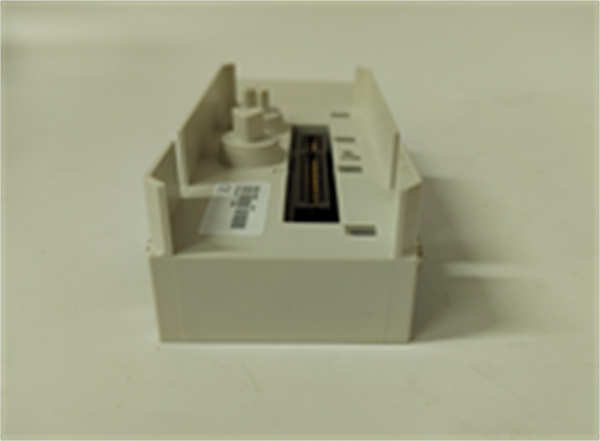
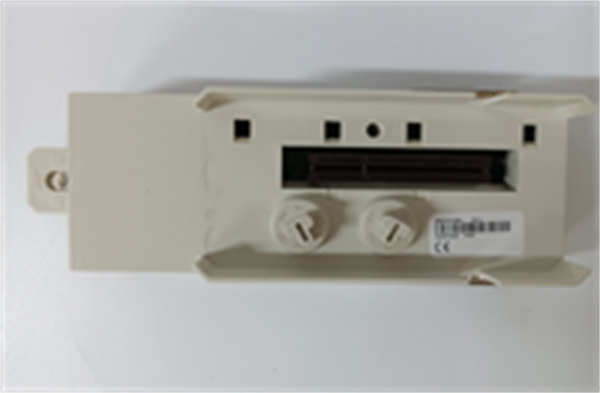
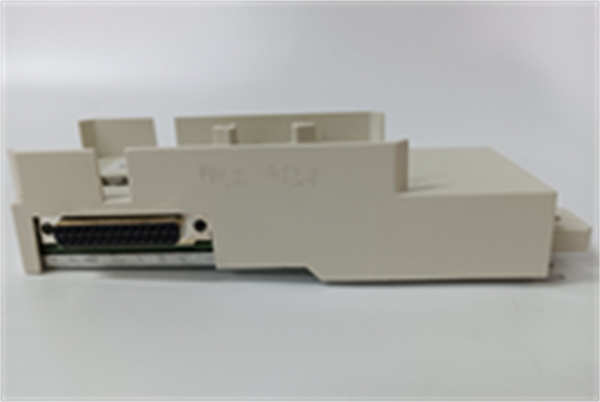
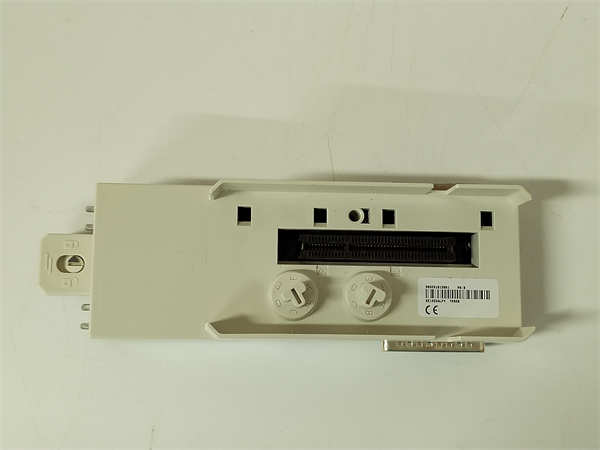
- Product Model: TP858
- Manufacturer: ABB
- System Family: AC 800M (part of 800xA architecture)
- Display Type: Monochrome STN LCD, 5.7 inches
- Resolution: 320 × 240 pixels
- Touch Interface: Resistive touchscreen
- Communication: Direct connection to AC 800M CPU via serial link (RS-485 or proprietary backplane, depending on mounting)
- Supported CPUs: PM860, PM861, PM864, PM865 (AC 800M series)
- Power Supply: 24 V DC (typically derived from CPU backplane or external source)
- Mounting: Panel-mount or DIN-rail adapter (e.g., TK858)
- Operating Temperature: 0°C to +55°C
- Firmware Dependency: Requires matching version with AC 800M application software (via Control Builder M)
System Role and Downtime Impact
The TP858 serves as a compact, integrated operator station in ABB AC 800M-based control systems, commonly used in remote pump stations, small substations, or auxiliary skids where a full 800xA workstation is unnecessary. It provides operators with real-time access to process graphics, alarm lists, trend logs, and manual command entry directly at the equipment location. If the TP858 fails—due to display degradation, touchscreen unresponsiveness, or communication loss—on-site personnel lose the ability to monitor or intervene locally. While central SCADA may retain visibility, regulatory or safety procedures often require local HMI functionality for emergency response. In such cases, a TP858 failure can force operational restrictions or even a controlled shutdown until restored.
Reliability Analysis and Common Failure Modes
After 10–15 years of service, the TP858 exhibits several predictable failure patterns. The most common is LCD screen degradation, including fading contrast, vertical/horizontal lines, or complete backlight failure (in later variants), rendering the display unreadable under ambient light. Second, the resistive touchscreen wears out with repeated use, leading to dead zones or erratic cursor movement—especially problematic for alarm acknowledgment or setpoint entry. Third, internal electrolytic capacitors on the power or logic board dry out, causing intermittent reboots or failure to initialize after power-up.
A key design limitation is its reliance on a direct, low-level serial link to the CPU with no network redundancy. Additionally, the monochrome display lacks modern diagnostics overlays, and firmware updates require physical access and ABB-specific tools, complicating remote support.
For preventive maintenance, inspect screen readability under normal lighting conditions. Test all screen quadrants for touch responsiveness during routine checks. Verify communication status via the CPU’s I/O diagnostic buffer. Ensure ambient temperature stays within spec and avoid direct sunlight exposure to prolong LCD life. During outages, clean the screen with approved anti-static wipes and check connector integrity.
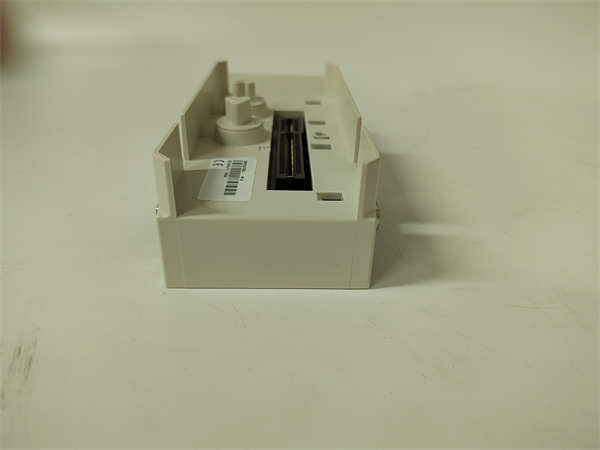
ABB TP858
Lifecycle Status and Migration Strategy
ABB has officially discontinued the TP858 as part of the broader phase-out of legacy AC 800M local operator units. No new units are produced, and ABB no longer provides repair services or firmware enhancements. Continued use depends entirely on existing inventory, which is increasingly scarce and expensive.
As an interim measure, maintain a verified spare unit and consider third-party refurbishment—but demand proof of full functional testing, including touchscreen calibration and communication handshake. Avoid “untested” surplus units.
For long-term sustainability, ABB’s strategic replacement path is to use Panel-mounted industrial PCs (IPCs) running System 800xA Workplace or Compact HMI on Windows IoT, connected via Ethernet to the AC 800M CPU using OPC DA or OPC UA. Alternatively, for non-critical locations, a web-based HMI served directly from the CPU (if running a supported firmware) can provide basic access via any browser-enabled device.
Migration typically involves:
- Replacing the TP858 with a modern panel PC or rugged tablet
- Recreating graphics in 800xA Engineering or exporting to HTML5
- Configuring secure remote access if needed
- Updating cybersecurity policies for Ethernet-connected HMIs
While this requires upfront engineering, it delivers color displays, multi-touch support, remote diagnostics, and alignment with current IT/OT standards. A phased rollout—starting with units showing early failure signs—is the most pragmatic approach for asset-intensive operations.