 Tel:
Tel:  Email:
  WhatsApp:
 Description
Key Technical Specifications (For Spare Parts Verification)
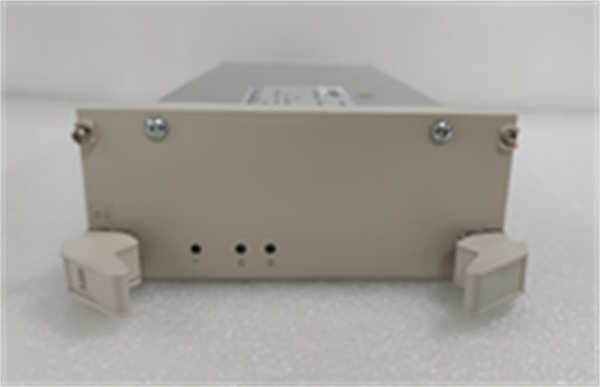
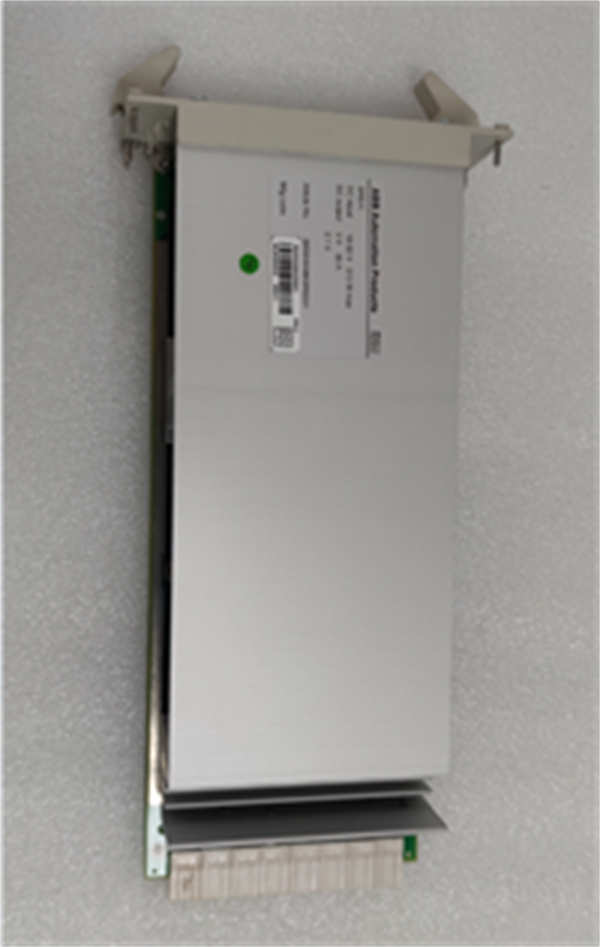
- Product Model: SR511
- Manufacturer: ABB
- System Family: ABB Symphony / INFI 90 DCS
- Input Channels: 16 points
- Input Type: Dry contact or 24 V DC sourced signal
- Input Voltage Range: 10–30 V DC (logic high), <5 V DC (logic low)
- Electrical Isolation: 500 V AC between field and backplane
- Backplane Interface: INFI 90 M-series or P-series I/O rail
- Mounting: DIN rail via compatible baseplate (e.g., TB511)
- Operating Temperature: 0°C to +60°C
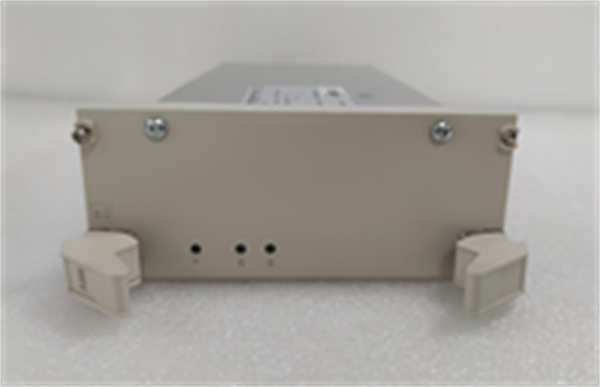
- Diagnostic Indicators: Single LED for module status (no per-channel indication)
System Role and Impact of Failure
The SR511 serves as a foundational digital input interface in legacy ABB Symphony and INFI 90 control systems, commonly deployed in power generation, oil & gas, and chemical plants. It resides in remote I/O cabinets, converting field switch states into digital data for the main controller (e.g., NPM, HPC800). While not a CPU, its failure directly compromises process visibility—missing a “pump running” or “valve closed” signal can trigger false alarms, disable safety interlocks, or even lead to unplanned unit trips. In critical applications like boiler flame safeguard or turbine protection, loss of multiple inputs from a failed SR511 could escalate to a full system shutdown.
Reliability Analysis and Common Failure Modes
Despite its age, many SR511 modules remain in service due to the long lifecycle of INFI 90 systems. However, they are increasingly vulnerable to component aging. The most common failure modes include:
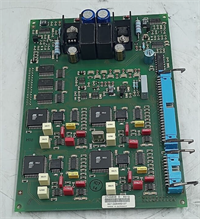
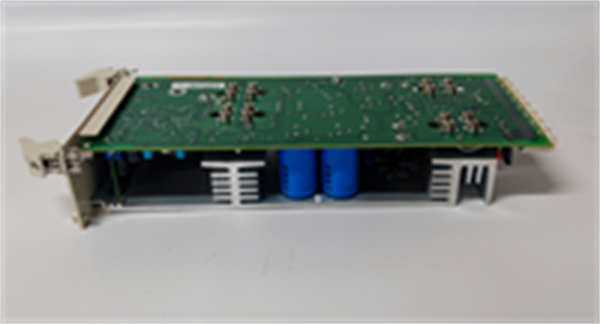
- Electrolytic capacitor degradation: Power supply filtering capacitors on the module’s internal DC-DC converter dry out over time, leading to voltage instability and erratic behavior or complete failure.
- Optocoupler wear-out: The optoisolators used for channel isolation degrade with cumulative current flow, resulting in slow response, signal dropout, or short circuits.
- Connector and terminal corrosion: Field wiring terminals and backplane connectors are prone to oxidation in humid or corrosive environments, causing intermittent signals.
- Lack of per-channel diagnostics: Unlike modern modules, the SR511 offers no individual channel status, making fault localization difficult and increasing troubleshooting time.
Preventive maintenance should focus on inspecting for bulging capacitors during cabinet openings, cleaning backplane contacts annually, verifying terminal torque, and monitoring for unexplained input flickering in the control system logs. Keeping spare modules powered in a test rack can help identify latent failures before installation.
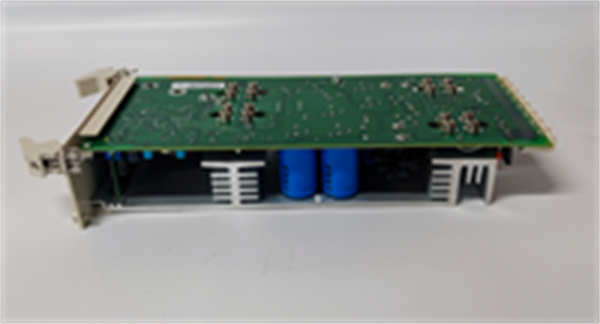
ABB SR511 3BSE000863R1
Lifecycle Status and Migration Strategy
ABB officially discontinued the SR511 as part of the broader INFI 90/Symphony legacy product phase-out. No new units are manufactured, and original spares are exhausted. Continued use carries significant risk: scarcity drives up costs, and failed units cannot be replaced with factory-new equivalents.
As a temporary measure, facilities may source tested, refurbished units from specialized suppliers or pursue board-level repair—though component obsolescence limits long-term viability.
The strategic path forward is migration to ABB’s Symphony Plus or System 800xA platforms. ABB’s recommended upgrade route involves replacing INFI 90 I/O with AC 800M-based I/O, where the SR511’s function is fulfilled by modules such as the DI810 (16-channel digital input). This transition requires:
- Re-engineering I/O wiring (new terminal bases)
- Updating control logic in Control Builder M
- Recalibrating system diagnostics
While migration demands upfront investment, it eliminates obsolescence risk, restores access to technical support, and unlocks modern features like granular diagnostics and cybersecurity compliance—making it the only sustainable solution for critical infrastructure still relying on SR511 modules.