 Tel:
Tel:  Email:
  WhatsApp:
 Description
Key Technical Specifications (For Spare Parts Verification)
- Product Model: SNAT603CNT
- Manufacturer: ABB
- System Family: SATT 190 (Symphony Analog Turbine Technology)
- Input Type: 16 channels, isolated, sink-type (sourcing from field)
- Rated Input Voltage: 24 VDC (nominal), operating range 15–30 VDC
- Input Filter Time: Adjustable (typically 0–20 ms via DIP switches)
- Isolation: Channel-to-backplane isolation ≥ 500 VAC
- Backplane Connector: Proprietary SATT edge connector (non-standard DIN)
- Mounting: Vertical slot in SATT 190 I/O chassis (e.g., SNAX600 series rack)
- Diagnostic Indicators: Per-channel LED status (green = active)
System Role and Downtime Impact
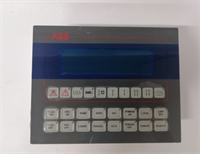
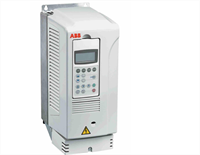
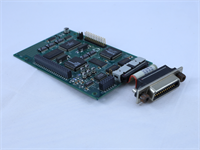
The SNAT603CNT is a foundational I/O module in ABB’s SATT 190 control systems, commonly deployed in thermal power plants, district heating facilities, and heavy industrial sites commissioned between the late 1980s and early 2000s. It resides in remote I/O cabinets, directly interfacing with field devices such as limit switches, auxiliary contacts, and pressure switches. If this module fails, all 16 connected signals are lost simultaneously. In critical applications—such as boiler flame detection permissives or turbine trip circuits—this can trigger a forced unit derate or full plant shutdown. Given that many SATT 190 installations operate without full redundancy at the I/O level, a single SNAT603CNT failure can have cascading operational consequences.
Reliability Analysis and Common Failure Modes
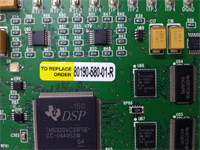
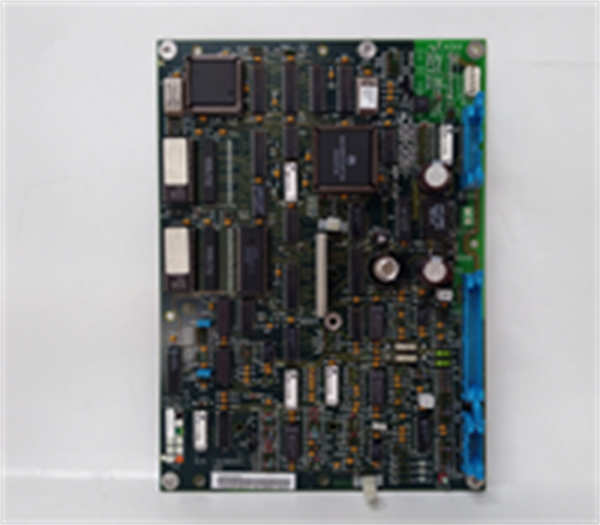
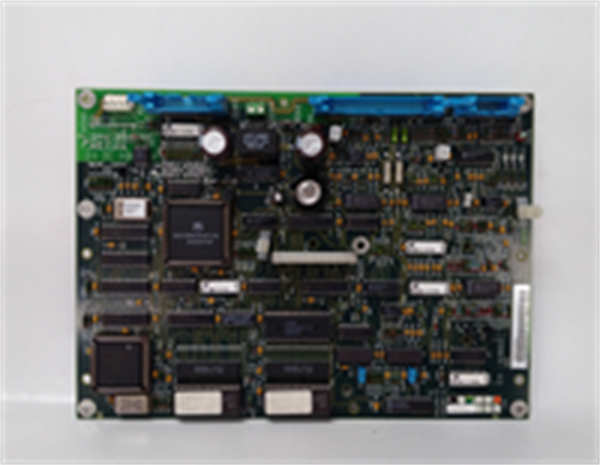
Despite its age, many SNAT603CNT modules remain in service due to robust initial design and stable operating environments. However, decades of continuous operation expose inherent vulnerabilities. The most frequent failure mode is degradation of the optocoupler array, leading to intermittent or stuck inputs—often misdiagnosed as field wiring issues. Electrolytic capacitors on the internal DC/DC converter board also dry out over time, causing voltage instability and erratic LED behavior. Additionally, the module’s reliance on mechanical DIP switches for configuration introduces risk: oxidation or physical displacement can alter filter settings, resulting in missed pulses or false triggers.
Key design weaknesses include limited surge protection on input lines and no built-in self-diagnostics beyond basic LEDs. The module is particularly sensitive to ground loops and conducted EMI from nearby motor starters. For maintenance teams, proactive actions include: inspecting terminal blocks for corrosion (especially in humid environments), verifying DIP switch positions during routine rounds, and monitoring input channel consistency via the SATT operator station trend logs. Keeping a known-good spare powered in a test rack for periodic validation is strongly advised.
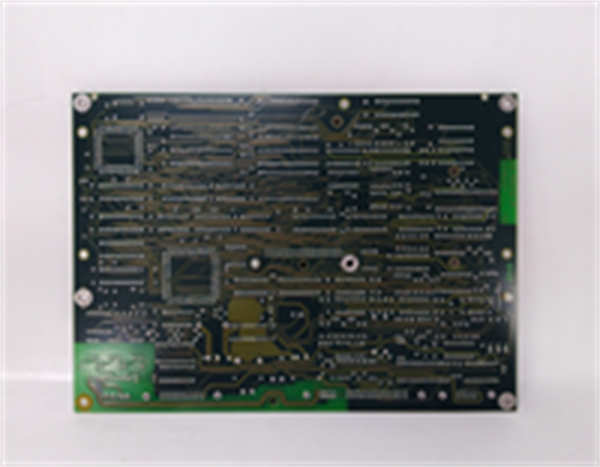
SNAT603CNT ABB
Lifecycle Status and Migration Strategy
ABB officially discontinued the SATT 190 platform, including the SNAT603CNT, over 15 years ago. No new units are available from the manufacturer, and technical support is restricted to emergency consultations only. Continued use carries significant risk: spare parts are scarce, counterfeit units have appeared on the gray market, and engineering expertise is dwindling.
As a temporary measure, facilities may source tested surplus modules from specialized vendors who perform functional validation. Some organizations pursue board-level repair, though component obsolescence (e.g., custom ASICs) limits long-term viability.
The recommended migration path is a full upgrade to ABB’s System 800xA with AC 800M controllers. This involves replacing the entire SATT 190 I/O infrastructure with modern equivalents like the DI810 (24 VDC digital input module). While this requires re-engineering I/O wiring, reprogramming control logic in Control Builder M, and operator training, it eliminates single-point obsolescence risks and enables integration with modern cybersecurity and data analytics platforms. For plants with extended operational lifespans, phased migration—starting with the most failure-prone subsystems—is a pragmatic approach to manage capital expenditure while improving reliability.