 Tel:
Tel:  Email:
  WhatsApp:
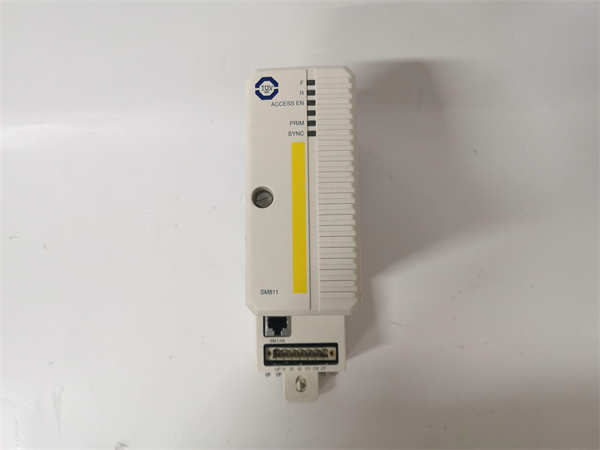
 Description
Key Technical Specifications
| Parameter | Specification |
|---|---|
| Product Model | SM811K01 |
| Order Code | 3BSE018173R1 |
| Platform | ABB AC 800M (used in Symphony Plus DCS, Melody, and custom automation systems) |
| Processor | Motorola PowerPC-based embedded CPU (proprietary ABB implementation) |
| Memory | Integrated program and data memory (non-user-expandable); supports application sizes up to ~4 MB |
| Redundancy | Supports 1:1 hot-standby redundancy with identical SM811K01 module |
| Communication | Dual redundant Profibus DP ports (via CI modules), Ethernet for engineering (Control Builder M), serial service port |
| Execution Performance | Typical scan time: 10–100 ms (application-dependent) |
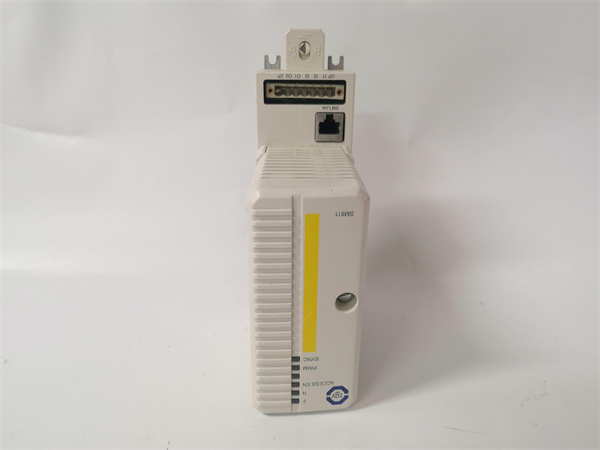
| Diagnostics | Front-panel LEDs for RUN, STOP, I/O COMM, REDUNDANCY STATUS; detailed diagnostics via Control Builder M |
| Mounting | DIN rail with AC 800M backplane (requires baseplate and power supply) |
| Operating Temp. | 0°C to +60°C |
System Role and Downtime Impact
The SM811K01 is the central processing unit of legacy ABB AC 800M-based control systems widely deployed in power generation, oil & gas, water/wastewater, and mining. It executes all control logic (regulatory, sequencing, interlocking), manages I/O data exchange, handles alarms, and communicates with HMIs and higher-level systems.
A failure of the SM811K01—especially in non-redundant configurations—causes total controller shutdown, leading to:
- Loss of all analog and digital control loops
- Tripping of turbines, boilers, or process trains
- Safety system degradation (if not on separate SIL-rated hardware)
- Extended downtime due to complex re-synchronization and validation requirements
Even in redundant setups, a faulty primary CPU can cause unnecessary switchover events, risking process instability.
Reliability Analysis and Common Failure Modes
Despite robust design, units over 10–15 years old exhibit predictable aging issues:
- Flash memory corruption: Onboard program storage degrades over time, especially with frequent power cycles, leading to boot failures or “application lost” errors.
- Capacitor aging: Electrolytic capacitors on the power regulation circuit dry out, causing voltage instability, spontaneous resets, or failure to power up.
- Backplane connector fatigue: Repeated thermal cycling causes micro-cracks in solder joints at the DIN connector, resulting in intermittent communication or total dropout.
- Battery-backed RAM failure: Though the SM811K01 uses flash (not battery-backed RAM for main program), auxiliary memory for configuration may rely on coin cells that leak or deplete, causing parameter loss.
Recommended maintenance practices:
- Perform annual backup of the application using Control Builder M.
- Verify redundancy switchover functionality during planned outages.
- Inspect for bulging capacitors or burnt components during visual checks.
- Store spare CPUs in anti-static, climate-controlled environments and power them quarterly.
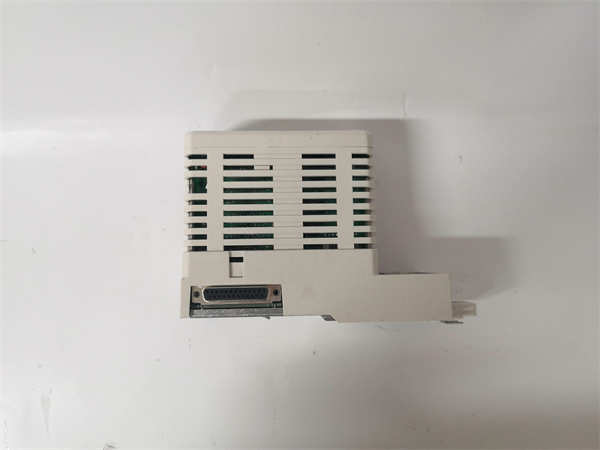
ABB SM811K01 32SE018173R1
Lifecycle Status and Migration Strategy
ABB (Hitachi Energy) has formally discontinued the SM811K01. It is superseded by newer AC 800M CPUs like the PM864A (3BSE050190R1) or PM866A, which offer faster processing, larger memory, and extended support.
However, direct replacement is not plug-and-play—it requires:
- New baseplate and power supply (S800 I/O may be reused)
- Full re-engineering of the application in a compatible version of Control Builder M
- Extensive factory acceptance testing (FAT) and site validation
Interim mitigation strategies:
- Source only from suppliers who perform full functional validation, including:
- Successful boot and application load
- Redundancy handshake test
- Communication with I/O and engineering station
- Maintain at least two tested spares per critical system
- Implement strict change control to avoid unnecessary firmware or config updates that could destabilize aging hardware
Long-term path:
For facilities still running SM811K01-based systems, a planned migration to PM864A/PM866A or even the AC 900F platform is strongly advised. While costly, this eliminates single-point obsolescence risk and unlocks modern cybersecurity, remote access, and diagnostic capabilities.
For facilities still running SM811K01-based systems, a planned migration to PM864A/PM866A or even the AC 900F platform is strongly advised. While costly, this eliminates single-point obsolescence risk and unlocks modern cybersecurity, remote access, and diagnostic capabilities.