 Tel:
Tel:  Email:
  WhatsApp:
 Description
Key Technical Specifications (For Spare Parts Verification)
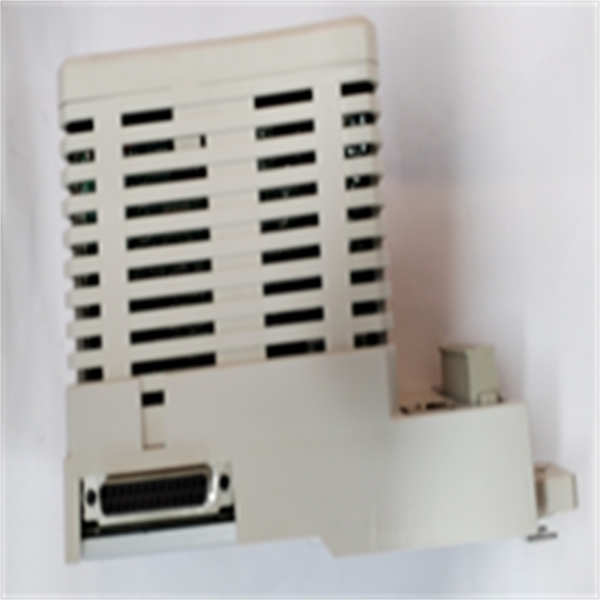
- Product Model: SM811K01 3BSE018173R1
- Manufacturer: ABB
- System Platform: ABB AC 800M (part of System 800xA architecture)
- Compatible Modules: DI810, DO810, AI810, AO810 (standard 8-channel I/O modules)
- Wiring Method: Screw-clamp terminals (front-accessible, 2.5 mm² max conductor)
- Backplane Connector: 44-pin DIN 41612 type C female connector
- Mechanical Fixing: DIN rail mountable, with latch mechanism for module retention
- Physical Dimensions: Approx. 35 mm (W) × 120 mm (H) × 90 mm (D)
- Operating Temperature: 0°C to +55°C
- Part Markings: Must include “3BSE018173R1” on label; revision code may vary (e.g., Rev A, B)
System Role and Downtime Impact
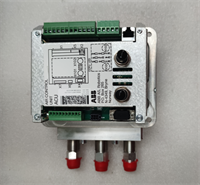
The SM811K01 3BSE018173R1 is not an active electronic module but a passive yet essential mechanical and electrical interface in ABB AC 800M I/O stations. It serves as the carrier that physically locks an I/O module onto the DIN rail while establishing connection between the module’s internal circuitry and the system backplane. Without a functional baseplate, even a brand-new I/O module cannot be installed or communicate with the controller. If a baseplate fails—due to cracked housing, corroded terminals, or damaged backplane pins—the associated I/O channels become unusable. In critical applications such as boiler control, compressor sequencing, or safety interlocks, this can lead to partial or complete process shutdown, especially if spare I/O capacity is unavailable. Given its role as infrastructure rather than logic, its failure is often overlooked until it blocks recovery during a module replacement.
Reliability Analysis and Common Failure Modes
Although the SM811K01 contains no active electronics, it is subject to several degradation mechanisms common in industrial environments. The most frequent failure mode is mechanical fatigue: repeated module insertion/removal cycles can wear out the plastic latch or deform the guide rails, leading to poor module seating and intermittent communication. Terminal blocks are vulnerable to corrosion from hydrogen sulfide or salt air in harsh plants, increasing contact resistance and causing signal dropouts. The backplane connector pins can oxidize over time, especially in high-humidity cabinets without climate control, resulting in data errors that mimic module faults. Additionally, thermal cycling may cause micro-cracks in the polycarbonate housing, compromising structural integrity.
As a maintenance best practice, technicians should inspect baseplates during routine I/O station audits. Key checks include: verifying terminal tightness (torque ~0.6 Nm), looking for discoloration or pitting on metal contacts, ensuring the module clicks securely into place, and confirming no bent pins in the rear connector. Cleaning with contact-safe dielectric spray can restore marginal connections. Since the unit has no firmware or batteries, its longevity depends entirely on environmental conditions and handling discipline.
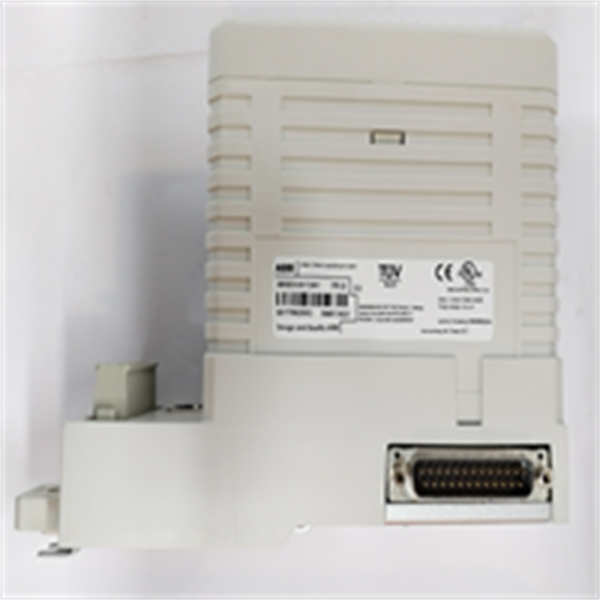
SM811K01 3BSE018173R1 ABB
Lifecycle Status and Migration Strategy
ABB officially discontinued the SM811K01 3BSE018173R1 as part of the broader phase-out of the first-generation AC 800M I/O portfolio. No direct “new” replacements are manufactured, and ABB no longer provides technical support for troubleshooting baseplate-specific issues. Continued use carries significant risk: inventory is finite, pricing is volatile, and counterfeit or reconditioned units may lack proper material certifications.
In the short term, facilities can mitigate risk by auditing existing spares, consolidating unused baseplates from decommissioned racks, or engaging specialized vendors who perform board-level inspection and cleaning. However, these are stopgap measures.
For a sustainable path forward, ABB’s recommended migration is to transition to the AC 800M “Next Generation” I/O platform, which uses the TB840 or TB850 series baseplates (e.g., 3BSE042288R1). This upgrade requires replacing both the baseplate and the I/O module (e.g., DI810 → DI840), but retains the same CPU and communication infrastructure. While it involves re-wiring and configuration updates in Control Builder M, it restores access to factory support, extends system life by 10+ years, and improves diagnostic capabilities. For sites unable to fund full migration, maintaining a strategic reserve of verified SM811K01 units—tested for pin integrity and mechanical function—is the only viable interim strategy.