 Tel:
Tel:  Email:
  WhatsApp:
 Description
Technical Specifications (For Spare Parts Verification)
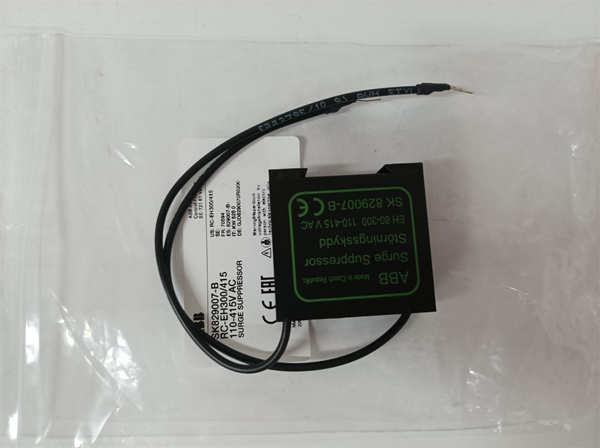
- Model: SK829007-B
- Manufacturer: ABB
- System Platform: ABB 800xA with AC 800M controller and S800 I/O subsystem
- Form Factor: DIN rail-mounted terminal base for single S800 I/O module
- Compatible Modules: Supports various S800 analog/digital I/O types (e.g., AI810, DI810) via mechanical and electrical interface
- Field Wiring: Screw-clamp terminals for sensor/actuator connections (typically 0.2–2.5 mm² wire)
- Power Distribution: Carries +24 VDC, GND, and isolated return paths from I/O bus to module
- Backplane Interface: Connects to S800 I/O bus (TB820/TB840) via edge connector with keyed alignment
- Mechanical Features: Includes latch mechanism for secure I/O module retention and coding pins for module type verification
- Environmental Rating: Designed for control cabinet use (IP20), operating temperature 0°C to +60°C
System Role and Downtime Impact
The SK829007-B is a passive but essential component in ABB’s S800 distributed I/O architecture. It serves as the physical and electrical bridge between field devices (e.g., transmitters, switches, valves) and the intelligent S800 I/O modules that plug into it. While not “smart” itself, its integrity directly affects signal reliability, grounding, and power delivery. If the base suffers from cracked terminals, corroded contacts, or damaged backplane pins, it can cause intermittent signals, complete channel dropout, or even short circuits that trip power supplies. In critical process applications—such as boiler control in power plants or reactor monitoring in chemical facilities—a faulty base can trigger false alarms, safety shutdowns, or loss of regulatory compliance. Replacement requires de-energizing the I/O bus segment and re-terminating field wires, leading to extended downtime if spares are unavailable.
Reliability Analysis and Common Failure Modes
Although robustly constructed, the SK829007-B is subject to long-term degradation due to environmental and operational stress:
- Terminal block fatigue – repeated wire insertion/removal or vibration can loosen screw clamps, increasing contact resistance and causing signal drift or open circuits.
- Edge connector oxidation – the gold-plated backplane contacts may tarnish over time, especially in high-humidity environments, leading to communication errors or module recognition failure.
- Mechanical latch breakage – the plastic retention clip can become brittle with age, allowing the I/O module to dislodge during maintenance or transport.
- Coding pin misalignment – physical damage to the module-type identification pins can permit incorrect I/O modules to be inserted, risking system faults.
A key vulnerability is that failures are often subtle and mistaken for I/O module defects, leading to unnecessary module replacements. For preventive maintenance, technicians should:
- Inspect terminal tightness during routine outages using calibrated torque screwdrivers
- Visually check for discoloration, arcing marks, or dust accumulation on terminals
- Verify secure module seating and intact latch mechanism
- Clean backplane connectors with approved contact cleaner if communication errors occur
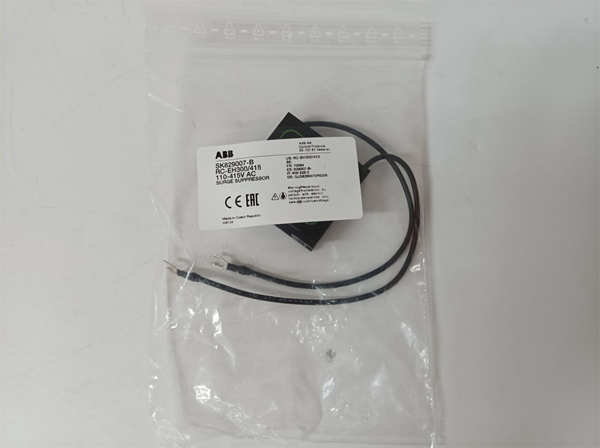
ABB SK829007-B
Lifecycle Status and Migration Strategy
ABB has discontinued the SK829007-B as part of the broader phase-out of early S800 hardware revisions. While newer S800 bases (e.g., SK829007-C or later) may offer backward compatibility, exact interchangeability depends on I/O module generation and bus adapter version. Official support is limited, and new units are no longer available through ABB channels.
Short-term risk mitigation includes:
- Stocking verified spare bases from reputable surplus suppliers
- Implementing strict handling procedures to avoid mechanical damage during I/O module swaps
- Labeling and documenting base revisions in asset management systems
For long-term sustainability, ABB recommends upgrading to current S800 hardware generations (e.g., SK829007-E or newer), which feature improved terminal design, better corrosion resistance, and enhanced compatibility with modern AC 800M CPUs. In some cases, full migration to S900 I/O or remote I/O over PROFINET may be more cost-effective, especially when combined with controller upgrades.
Any replacement—even with a “compatible” obsolete base—must be tested for proper module recognition, signal fidelity, and power stability before returning the system to service. Proactive inventory review and lifecycle planning are essential to avoid unplanned process interruptions caused by this seemingly simple but mission-critical component.