 Tel:
Tel:  Email:
  WhatsApp:
 Description
Key Technical Specifications (For Spare Part Verification)
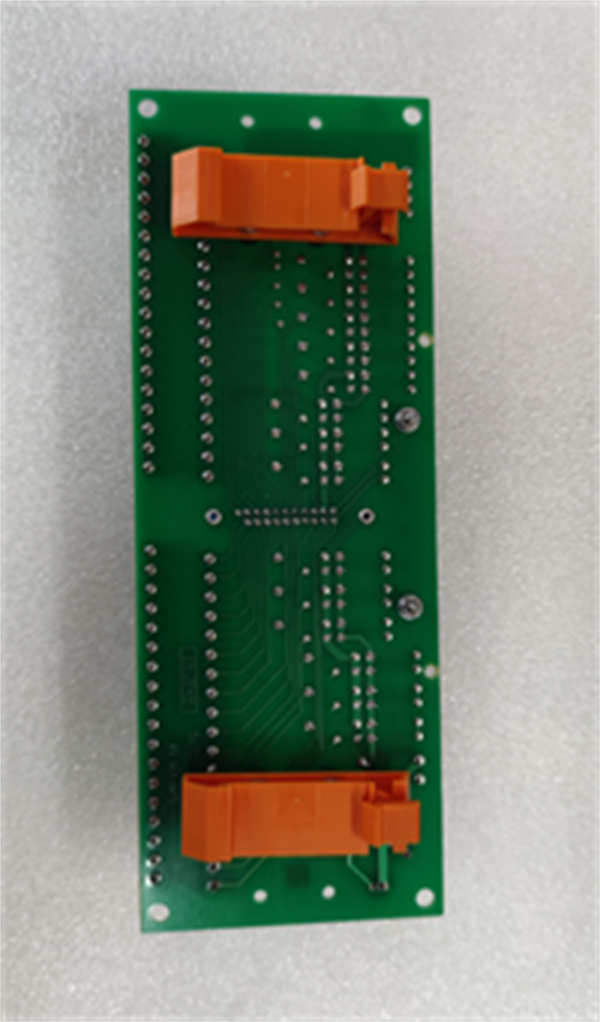
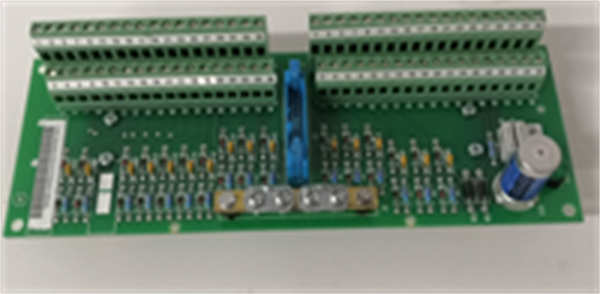
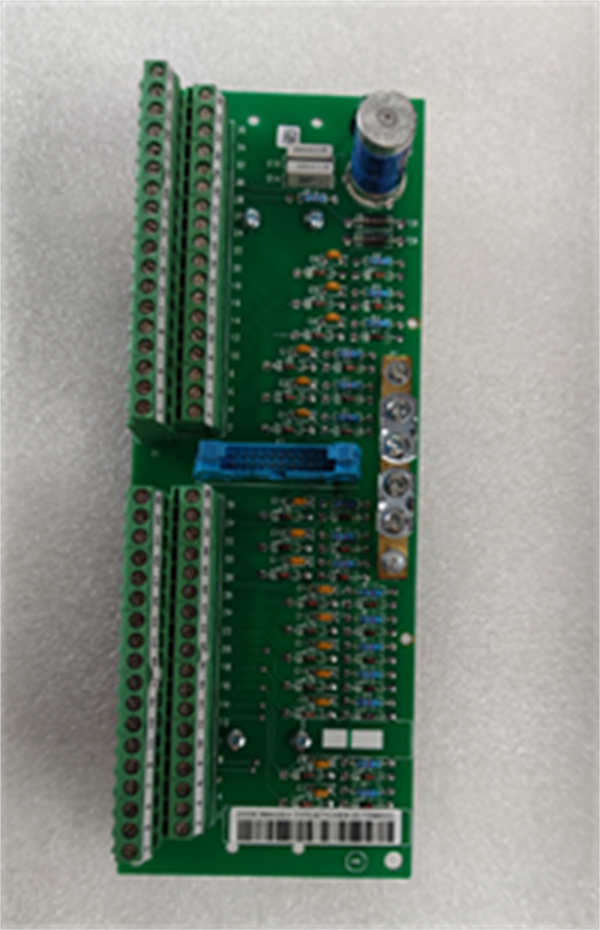
- Product Model: SCYC55830
- Manufacturer: ABB
- System Platform: Symphony Plus (S+) DCS
- Order Code: 58063282A
- Function: I/O Controller / Fieldbus Interface Processor
- Redundancy Support: Yes – typically deployed in dual-redundant pairs
- Backplane Interface: Proprietary S+ I/O bus (connects to SCYx55000 series I/O modules)
- Communication Links: Dual Ethernet (for controller sync) and serial links to field networks
- Power Requirement: +5 VDC and ±12 VDC from Symphony I/O chassis backplane
- Physical Form: Half-height Eurocard, front panel with status LEDs (RUN, COM, ERR)
- Firmware Dependency: Tied to specific Symphony Plus software versions (e.g., v5.x or v6.x)
System Role and Downtime Impact
The ABB SCYC55830 58063282A serves as the intelligent processor within a Symphony Plus I/O rack. It handles all data acquisition from analog and digital I/O modules, executes local logic (if configured), and maintains real-time communication with the main AC 450 or AC 800M controllers. In power generation and heavy industrial facilities, these I/O racks often manage critical boiler, turbine, or safety-related loops. Failure of a single SCYC55830—especially in a non-redundant configuration—can result in loss of an entire I/O segment, potentially triggering unit trips or forced outages. Even in redundant setups, a degraded module may cause intermittent communication faults that are difficult to diagnose and can escalate under stress conditions.
Reliability Analysis and Common Failure Modes
Many SCYC55830 units remain in service due to the long lifecycle of Symphony Plus installations, particularly in coal-fired power plants and refineries where full DCS replacement is capital-intensive. However, age-related degradation is now a dominant risk factor. The most common failure modes include:
- Electrolytic capacitor aging on the internal DC-DC converter circuits, leading to voltage instability and spontaneous reboots.
- Corrosion or fretting on the DIN connector pins or backplane edge fingers, causing intermittent communication drops.
- Firmware corruption due to battery-backed SRAM failure—the module relies on a small onboard lithium battery (typically 3.6V) to retain configuration during power cycles; once depleted (usually after 8–12 years), the module may fail to initialize.
- Damage to Ethernet PHY components from ground loops or lightning-induced surges, especially in sites with inadequate grounding.
Preventive maintenance should focus on:
- Inspecting and replacing the onboard backup battery every 7–8 years, even if the system appears functional.
- Cleaning backplane contacts and verifying secure seating during routine outages.
- Monitoring for elevated operating temperature—restricted airflow in legacy cabinets accelerates component wear.
- Logging CRC errors or “I/O Not Responding” alarms in the Symphony operator station, which often precede hardware failure.
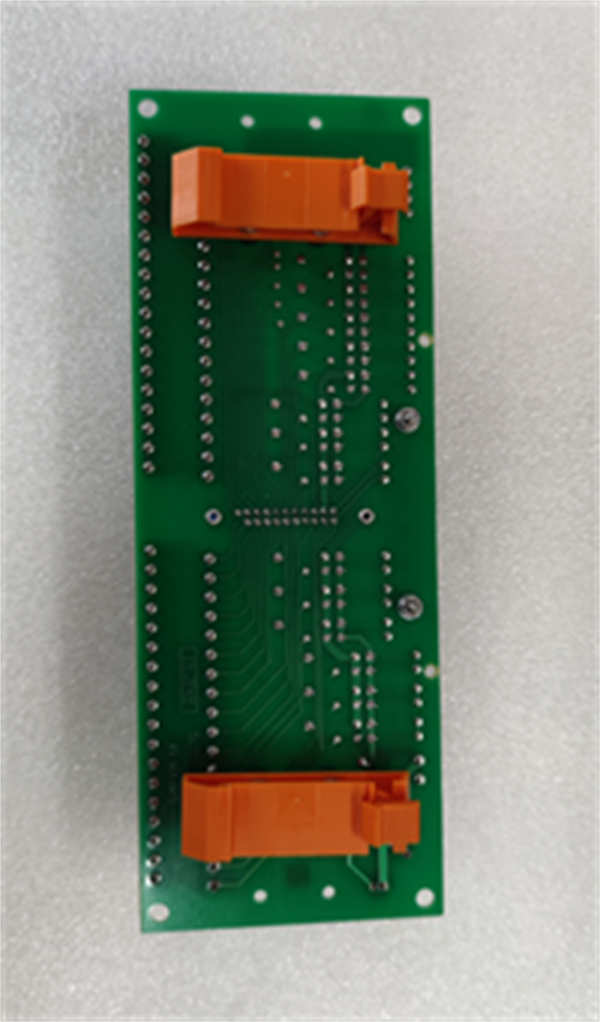
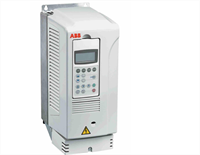
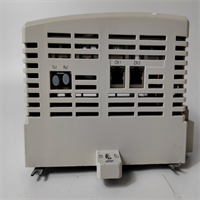
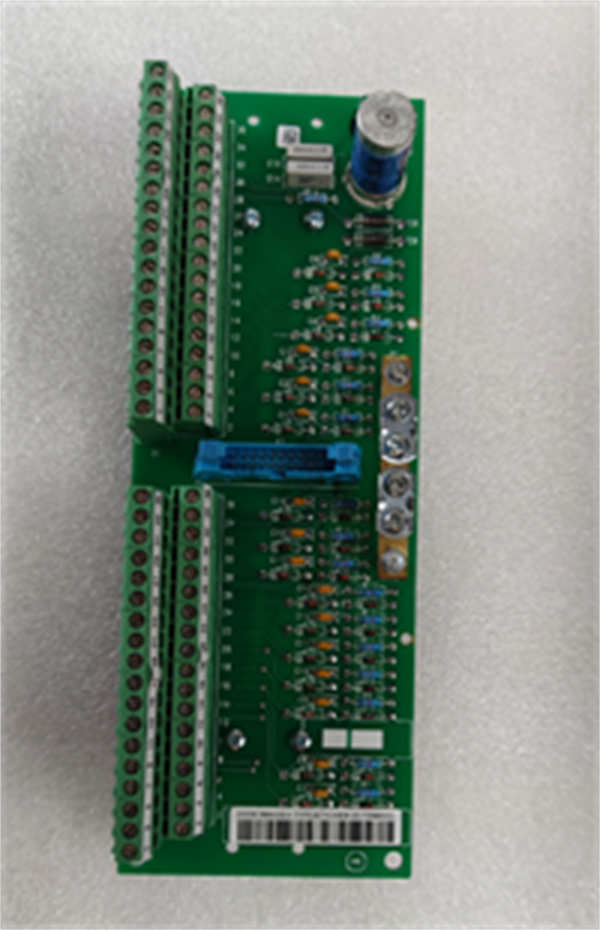
ABB SCYC55830 58063282A
Lifecycle Status and Migration Strategy
ABB officially discontinued the SCYC55830 as part of the broader Symphony Plus end-of-life roadmap. No new units are manufactured, and ABB no longer provides repair services or firmware updates. Continued operation carries significant risk: spare parts are scarce, counterfeit units have appeared in the gray market, and engineering support is limited to third-party specialists.
For sites unable to execute a full DCS migration immediately, temporary mitigation includes:
- Securing tested, verified spares from reputable surplus suppliers with traceable history.
- Implementing board-level repair programs through certified independent service providers.
- Isolating non-critical I/O onto separate racks to contain failure impact.
The official ABB migration path is a phased transition to the System 800xA platform with AC 800M controllers and S800 I/O. This requires:
- Re-engineering of I/O wiring (due to different terminal block standards).
- Full application re-commissioning in Control Builder M.
- Integration of legacy field devices via protocol converters or HART multiplexers.
While costly, this migration eliminates obsolescence risk and unlocks modern capabilities like cybersecurity hardening, remote diagnostics, and cloud connectivity—making it the only sustainable long-term solution for critical infrastructure still running on Symphony Plus.