 Tel:
Tel:  Email:
  WhatsApp:
 Description
Key Technical Specifications (For Spare Part Verification)
- Product Model: SCYC51040
- Manufacturer: ABB
- System Platform: Symphony Plus (S+) Distributed Control System
- Order Code: 58052680E
- Function: I/O Baseplate / Carrier Module (for half-size Eurocards)
- Compatible Modules: SCYx55xxx series I/O cards (e.g., SCYC55010, SCYC55020, SCYC55830)
- Slot Configuration: Supports one half-height I/O module per baseplate
- Backplane Interface: Connects to Symphony proprietary I/O bus via DIN 41612 connector
- Mechanical Fixing: Snap-in design with front-panel latch for secure module retention
- Physical Dimensions: Standard half-size Eurocard footprint (100 mm × 160 mm)
- Material: Flame-retardant thermoplastic housing with reinforced edge connectors
- Status Indication: None (passive component)
- Redundancy Support: Used in both redundant and non-redundant I/O chassis configurations
System Role and Downtime Impact
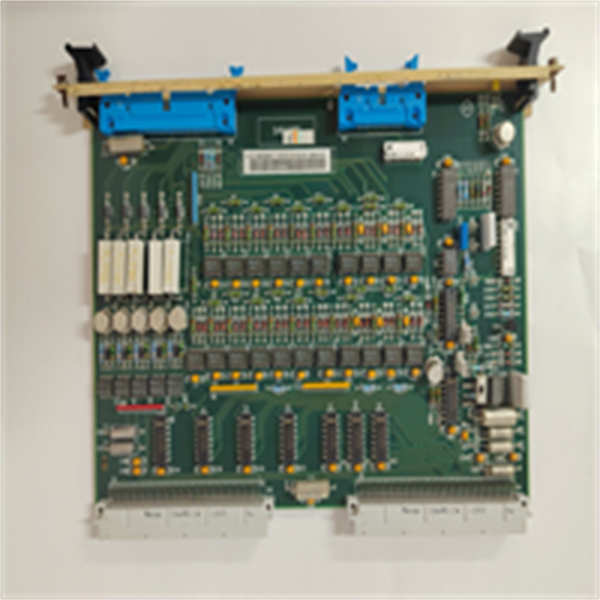
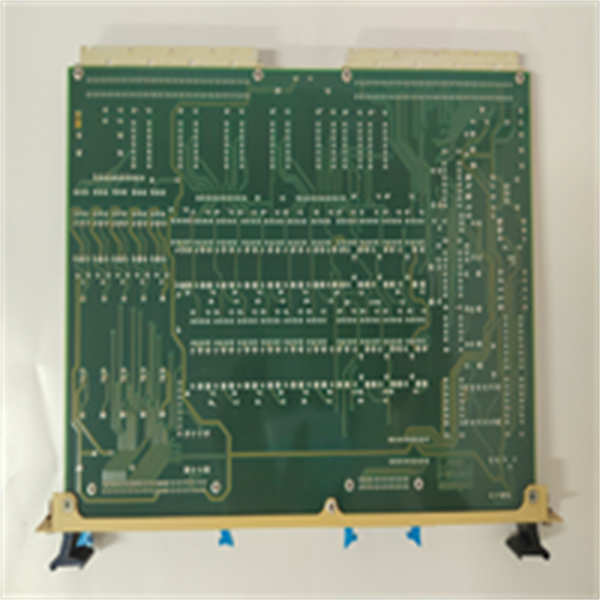
The ABB SCYC51040 58052680E is a passive but indispensable structural and electrical interface within the Symphony Plus I/O architecture. It serves as the mounting platform for active I/O modules, ensuring proper alignment with the chassis backplane and reliable signal/power transfer. While it contains no active electronics, mechanical or electrical degradation of the baseplate can render an entire I/O slot unusable. In practice, a damaged or corroded SCYC51040 may cause intermittent communication errors, module recognition failures, or complete loss of a channel group—symptoms often misdiagnosed as faulty I/O cards. In critical applications such as turbine protection or boiler control, the inability to replace a failed baseplate due to parts unavailability can delay restoration efforts during outages, extending downtime and increasing operational risk.
Reliability Analysis and Common Failure Modes
Although the SCYC51040 has no semiconductors, its reliability is compromised by decades of thermal cycling, vibration, and environmental exposure. Common issues include:
- Wear or breakage of the front-panel retention latch, leading to poor module seating and intermittent contact.
- Corrosion or oxidation on the DIN 41612 edge connector pins, especially in high-humidity or sulfur-rich environments (common in refineries and coastal power plants).
- Cracking of the plastic housing due to overtightening during maintenance or material embrittlement over time.
- Bent or misaligned pins from repeated module insertion/removal, causing short circuits or open connections on the backplane.
Preventive maintenance guidance:
- Inspect all baseplates during scheduled outages for physical damage, discoloration, or loose fit.
- Clean connector surfaces with contact enhancer (e.g., DeoxIT) if oxidation is suspected—avoid abrasive methods.
- Verify that replacement I/O modules fully seat and lock into the baseplate without excessive force.
- Maintain a small inventory of verified-good SCYC51040 units for emergency swaps; even passive components can become single points of failure.
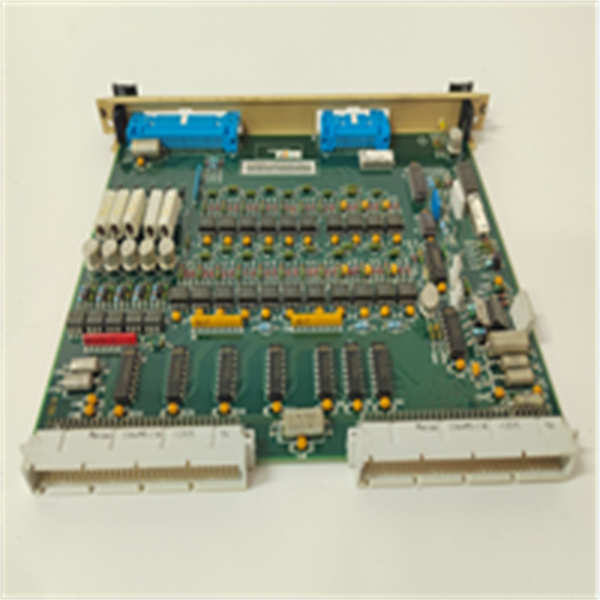
ABB SCYC51040 58052680E
Lifecycle Status and Migration Strategy
ABB has discontinued the SCYC51040 as part of the Symphony Plus platform phase-out. No new units are manufactured, and original spares are exhausted. The primary risk lies not in sudden failure, but in the inability to recover from one—since the baseplate is required to install any replacement I/O card, its absence can strand otherwise functional hardware.
Interim mitigation options include:
- Salvaging baseplates from decommissioned racks during plant turnarounds.
- Using third-party refurbished units, though mechanical tolerances must be carefully validated.
- Avoiding unnecessary module swaps to reduce wear on existing baseplates.
For long-term sustainability, migration to ABB’s System 800xA with S800 I/O is the only viable path. The S800 platform uses modular terminal blocks and standardized DIN-rail-mounted I/O carriers that are actively supported and mechanically robust. While migration requires re-engineering of I/O wiring and cabinet layout, it eliminates dependency on obsolete mechanical interfaces and provides a scalable foundation for future automation needs. Given that the SCYC51040 has no functional substitute within the Symphony ecosystem, proactive planning for system modernization is strongly advised for any facility still reliant on this component.