 Tel:
Tel:  Email:
  WhatsApp:
 Description
Key Technical Specifications (For Spare Part Verification)
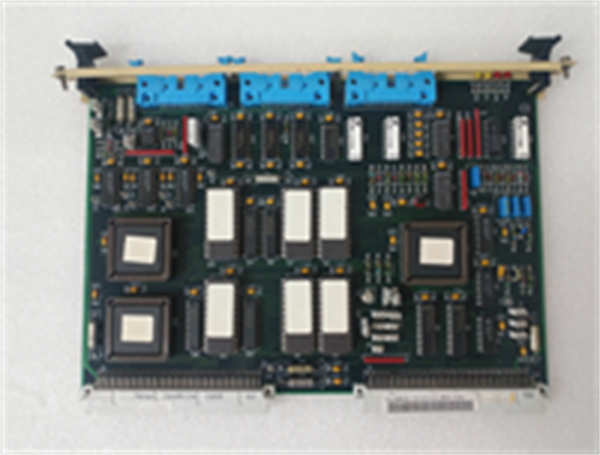
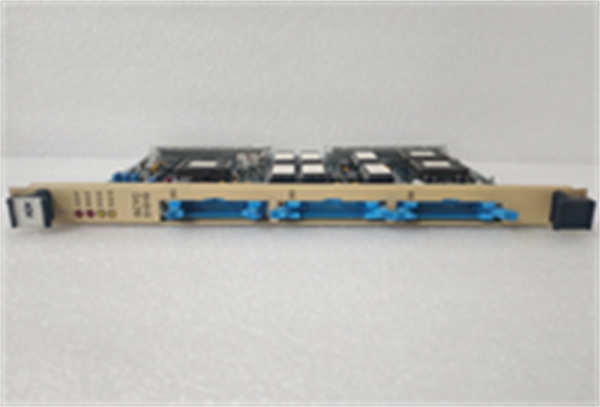
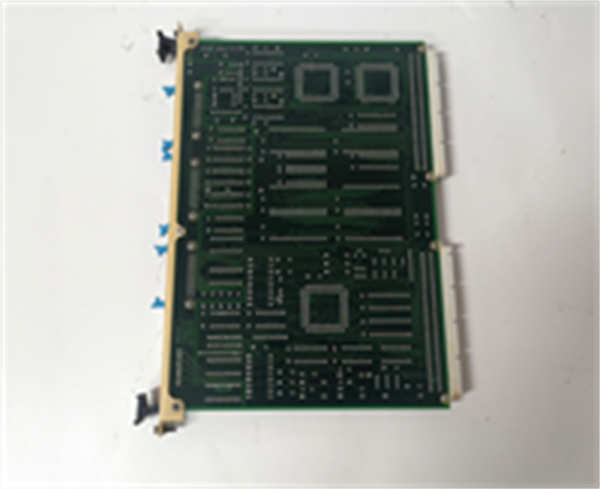
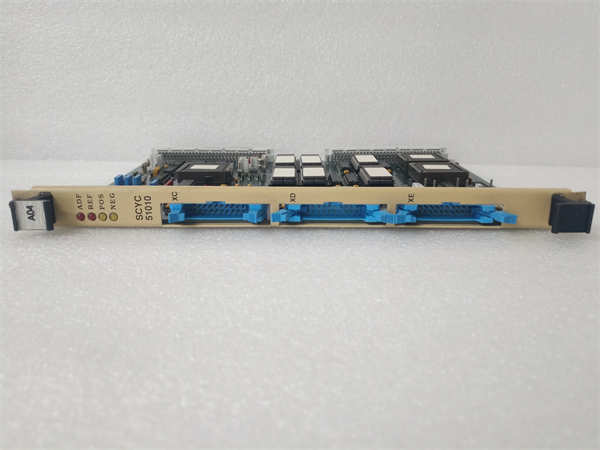
- Product Model: SCYC51010
- Manufacturer: ABB
- System Platform: Symphony Plus (S+) Distributed Control System
- Order Code: Typically bundled (e.g., 58052xxx series); exact suffix varies by configuration
- Function: I/O Chassis / Rack Assembly
- Slot Capacity: 16 slots (supports mix of I/O baseplates, power supplies, and controller modules)
- Backplane Type: Proprietary Symphony I/O bus with redundant data paths
- Power Input: Dual 24 VDC feeds for redundancy (via terminal blocks on rear or side)
- Mechanical Form: 19-inch rack-mountable enclosure, ~6U height
- Cooling: Passive convection or forced air (depending on installation variant)
- Redundancy Support: Full support for dual I/O controllers and dual power supplies
- Connector Interfaces: DIN 41612 backplane connectors for all modules; field wiring via front-access terminal blocks on I/O cards
- Grounding: Dedicated chassis ground lug compliant with IEC 61000-5-2
System Role and Downtime Impact
The ABB SCYC51010 is the foundational hardware unit of the Symphony Plus I/O architecture. It integrates power distribution, high-speed backplane communication, and mechanical mounting into a single enclosure that directly interfaces with field instruments and actuators. In power plants, refineries, and chemical facilities, each SCYC51010 chassis typically manages dozens of critical process signals—such as boiler drum level, turbine speed, or reactor temperature. A catastrophic failure of the chassis (e.g., cracked backplane, burnt power trace, or severe corrosion) can disable an entire I/O segment. Unlike failed modules—which can often be swapped—the loss of a chassis usually requires de-energizing the entire I/O station, rerouting field wiring, and potentially fabricating custom mounting solutions if no replacement is available. This can extend outage durations from hours to days, with significant production and safety implications.
Reliability Analysis and Common Failure Modes
While mechanically robust, SCYC51010 chassis units have been in service for 20–30 years in many installations. Their passive nature belies several age-related vulnerabilities:
- Corrosion of internal copper traces or terminal block screws in high-humidity or corrosive atmospheres, leading to increased resistance and localized heating.
- Cracking of the fiberglass-reinforced backplane due to thermal cycling or physical stress during maintenance.
- Degradation of insulating materials around high-current paths, increasing risk of short circuits.
- Loosening of grounding connections over time, compromising EMC performance and safety grounding integrity.
- Damage to DIN connector sockets from repeated module insertion, causing intermittent contact or signal crosstalk.
Preventive maintenance recommendations:
- Conduct annual visual and thermal inspections of the chassis interior during outages—look for discoloration, white powder (corrosion), or melted insulation.
- Torque-check all power and ground terminals to manufacturer specifications.
- Verify continuity and resistance of critical backplane signal lines using a multimeter or TDR tester if intermittent faults occur.
- Maintain at least one spare chassis per I/O type in storage—though bulky, it may be the only way to recover from a structural failure.
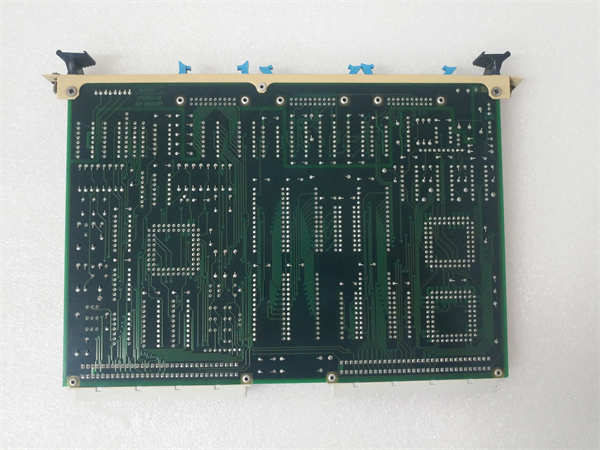
ABB SCYC51010
Lifecycle Status and Migration Strategy
ABB has fully discontinued the SCYC51010 as part of the Symphony Plus end-of-life program. No new chassis are produced, and even used units are rarely traded due to size and shipping cost. The risk of chassis-level failure is low in absolute terms but catastrophic in consequence—making it a high-impact, low-probability threat that demands proactive planning.
Short-term mitigation includes:
- Documenting chassis wiring thoroughly to enable rapid reconstruction if needed.
- Partnering with specialized vendors who can perform backplane rework or custom fabrication.
- Avoiding unnecessary module swaps to minimize mechanical wear on connectors.
The definitive solution is migration to ABB’s System 800xA platform. The modern S800 I/O system uses modular, DIN-rail-mounted components with standardized connectors and active diagnostics—eliminating reliance on monolithic chassis architectures. While migration requires cabinet redesign, rewiring, and application re-commissioning, it removes exposure to obsolescence at the most fundamental hardware level. For facilities operating mission-critical processes on Symphony Plus, treating the SCYC51010 not as “just a rack” but as a finite-life asset is essential to long-term operational resilience.