 Tel:
Tel:  Email:
  WhatsApp:
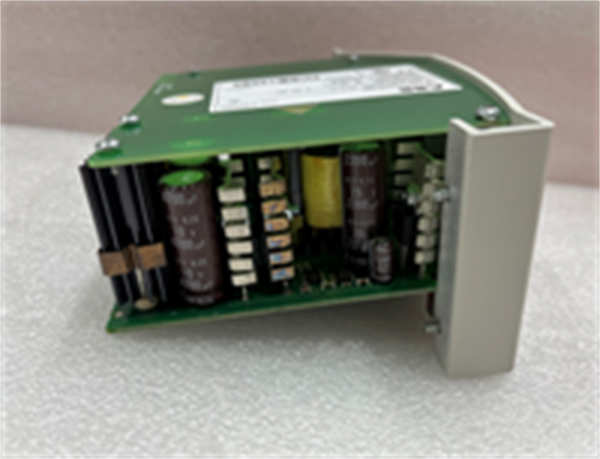
 Description
Key Technical Specifications (For Spare Parts Verification)
- Product Model: SA811F
- Manufacturer: ABB
- System Family: MasterView Distributed Control System (DCS), S100 I/O Series
- Output Channels: 8 isolated analog outputs
- Output Signal Range: Configurable as 4–20 mA or 0–20 mA per channel
- Load Capability: Up to 750 Ω at 24 VDC supply
- Isolation: Channel-to-channel and channel-to-backplane isolation per IEC standards
- Backplane Compatibility: Requires S100 carrier/backplane in MVU or MVS cabinets
- Physical Form Factor: Standard S100 module width (~40 mm), DIN-rail compatible within MasterView chassis
- LED Indicators: Per-channel status LEDs (typically green for normal operation)
- Calibration: Supports software-based calibration via MasterView engineering tools (legacy versions only)
System Role and Downtime Impact
The SA811F is a critical output interface in legacy ABB MasterView DCS installations, commonly found in power plants, water treatment facilities, and industrial process units commissioned from the late 1980s through early 2000s. It translates controller setpoints into analog signals that drive control valves, damper actuators, variable frequency drives, and other analog-input field devices. In a typical loop, loss of output from this module means the actuator reverts to fail-safe position (e.g., valve closes), potentially causing process deviation, product quality issues, or safety system activation. Because many of these systems operate without full I/O redundancy, a single SA811F failure can disable multiple control loops simultaneously—leading to partial or complete plant shutdown. With ABB no longer manufacturing or supporting this module, recovery depends entirely on spare availability, making it a high-consequence single point of failure.
Reliability Analysis and Common Failure Modes
Despite its industrial-grade design, the SA811F is now operating far beyond its intended service life. The most common failure mechanisms stem from aging analog components: output driver ICs degrade due to thermal stress, leading to signal drift or complete channel dropout; electrolytic capacitors in the local power regulation circuit dry out, causing instability or oscillation; and PCB trace corrosion—especially in humid or corrosive environments—results in open circuits or increased output impedance. A key vulnerability is its sensitivity to field-side short circuits; a faulted actuator wiring can back-feed current and damage the output stage, particularly if protective fusing is inadequate. For maintenance teams, recommended preventive actions include: periodically verifying output accuracy using a calibrated mA meter under load, inspecting terminal blocks for signs of overheating or oxidation, ensuring proper shielding of field cables to reduce EMI-induced noise, and maintaining spares in climate-controlled storage to slow component aging.
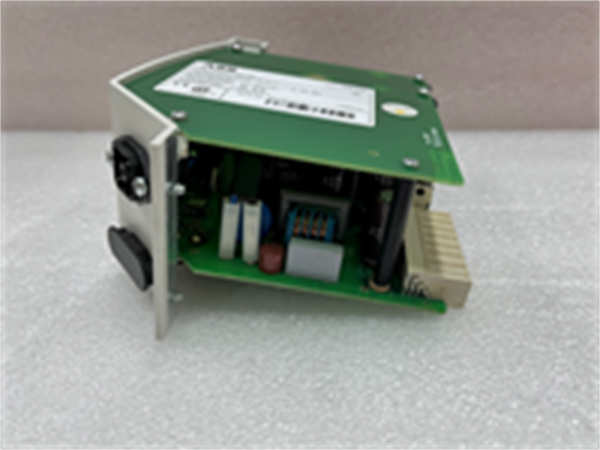
ABB SA811F
Lifecycle Status and Migration Strategy
ABB has officially discontinued the MasterView S100 series, including the SA811F, with no direct drop-in replacements available. Continued use entails significant operational risk: global inventory is dwindling, prices have escalated substantially, and no factory repair or technical support exists. As an interim measure, facilities may source tested units from specialized surplus vendors or engage third-party repair services—but these are not sustainable long-term solutions. The strategic path forward is migration to ABB’s modern System 800xA platform. The functional equivalent is provided by the AO810 or AO815 analog output modules, used with TU850/TU851 baseplates in an AC 800M controller environment. This upgrade requires re-engineering field wiring (due to different terminal layouts), updating control logic in the new engineering environment, and re-commissioning all affected loops. While this represents a capital investment, it restores access to warranty coverage, cybersecurity updates, and long-term vendor support—converting an obsolescence liability into an opportunity for system modernization and improved maintainability.