 Tel:
Tel:  Email:
  WhatsApp:
 Description
Key Technical Specifications (For Spare Parts Verification)
- Product Model: SA168 3BSE003389R1
- Manufacturer: ABB
- System Family: MasterView Distributed Control System (DCS), S100 I/O Series
- Input Type: 16 channels, isolated dry/wet contact or 24 VDC digital input
- Input Voltage Range: Nominal 24 VDC (acceptable range typically 18–30 VDC)
- Isolation: Channel-to-channel and channel-to-backplane isolation per IEC standards
- Backplane Compatibility: Requires S100 carrier/backplane (e.g., in MVU or MVS cabinets)
- Physical Form Factor: Standard S100 module width (~40 mm), DIN-rail compatible within MasterView chassis
- LED Indicators: Per-channel status LEDs for input state monitoring
- Firmware/Revision: Hardware revision encoded in serial number; no field-upgradable firmware
System Role and Downtime Impact
The SA168 3BSE003389R1 serves as a fundamental digital input interface in ABB’s legacy MasterView DCS, commonly deployed in power generation, water treatment, and industrial facilities from the 1980s to early 2000s. It is typically installed in remote I/O racks or local control cabinets, converting field switch, relay, or PLC output signals into data for the central MasterView controllers. If this module fails, all 16 connected signals are lost—potentially disabling critical alarms, safety interlocks, or equipment status feedback. In many installations, such a failure can trigger partial or full plant shutdown, especially if redundant I/O was not originally implemented. Given the age of these systems, replacement units are no longer available from ABB, making unplanned failure a high-consequence operational risk.
Reliability Analysis and Common Failure Modes
Despite its robust industrial design, the SA168 3BSE003389R1 is now operating well beyond its intended service life. The most prevalent failure mechanisms stem from component aging: electrolytic capacitors on the internal power regulation circuit degrade over time, leading to unstable operation or complete power loss; optocouplers used for input isolation exhibit reduced CTR (current transfer ratio), causing intermittent signal dropout; and PCB trace corrosion or solder joint fatigue—exacerbated by thermal cycling—can result in open circuits. A key design vulnerability is its reliance on a stable 24 VDC system supply; voltage sags or transients, common in aging plants, can cause latch-up or permanent damage to input channels. For maintenance teams, proactive actions include: inspecting modules for bulging capacitors or discoloration, verifying input signal integrity with a multimeter during routine rounds, ensuring clean and tight backplane connections, and maintaining spare modules in climate-controlled storage to slow component degradation.
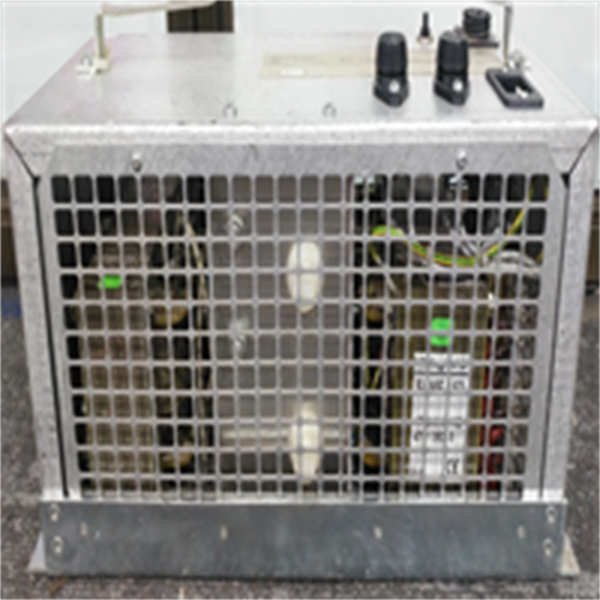
ABB SA168 3BSE003389R1
Lifecycle Status and Migration Strategy
ABB officially discontinued the MasterView S100 series, including the SA168 3BSE003389R1, years ago, with no direct drop-in replacements offered. Continued use carries significant risks: dwindling global inventory, escalating costs (often 3–5x original price), and zero access to factory repair or technical support. As an interim measure, facilities may source tested units from specialized surplus vendors or engage third-party repair services for board-level restoration—but these are stopgap solutions. The sustainable path is migration. ABB’s recommended upgrade route is to transition to the System 800xA platform, where equivalent functionality is provided by modules like the CI854 (for Profibus) or TU850/TU851 baseplates with DI810/811 cards. This requires re-engineering I/O wiring, updating control logic in AC 800M controllers, and reconfiguring operator graphics—a substantial project, but one that restores long-term supportability, cybersecurity compliance, and access to modern diagnostics. For sites not ready for full migration, implementing external signal replicators or soft-redundancy via PLC gateways can provide temporary resilience against single-module failure.