 Tel:
Tel:  Email:
  WhatsApp:
 Description
Key Technical Specifications (For Spare Parts Verification)
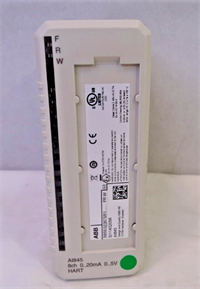
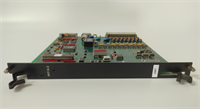
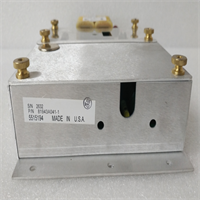
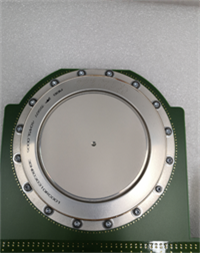
- Product Model: S-073N
- Manufacturer: ABB
- Product Line: ABB “S” Series Dry-Type Transformers (Legacy Low-Voltage Line)
- Rated Power: 73 kVA
- Primary Voltage: 480 V AC, 3-phase, 60 Hz (standard configuration)
- Secondary Voltage: 120/240 V AC, single-phase, 3-wire (center-tapped)
- Insulation Class: 150°C (Class F)
- Temperature Rise: 115°C (typical for this series)
- Enclosure Type: Open frame or NEMA 1 (depending on original installation)
- Impedance: Approximately 3.0–3.5% (standard for control transformers of this rating)
- Standards Compliance: UL 5085, CSA C22.2 No. 66, ANSI C57.12.01
System Role and Downtime Impact
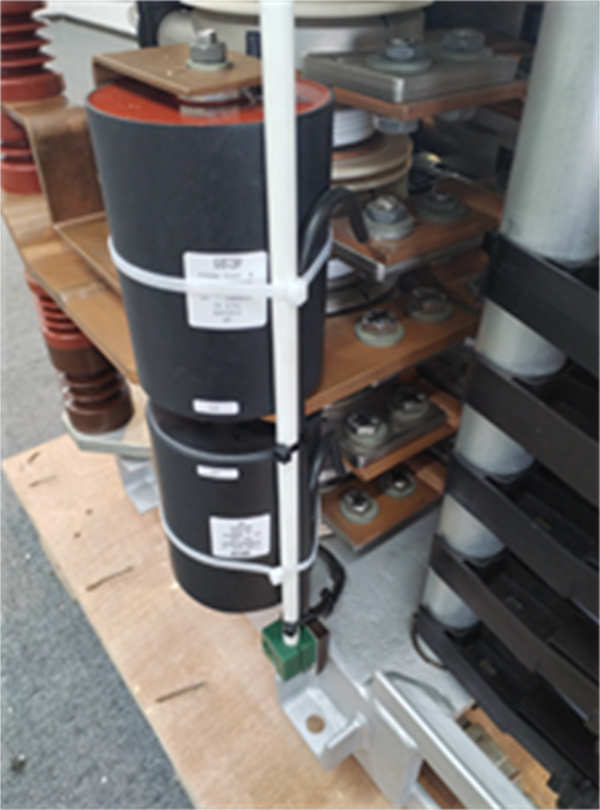
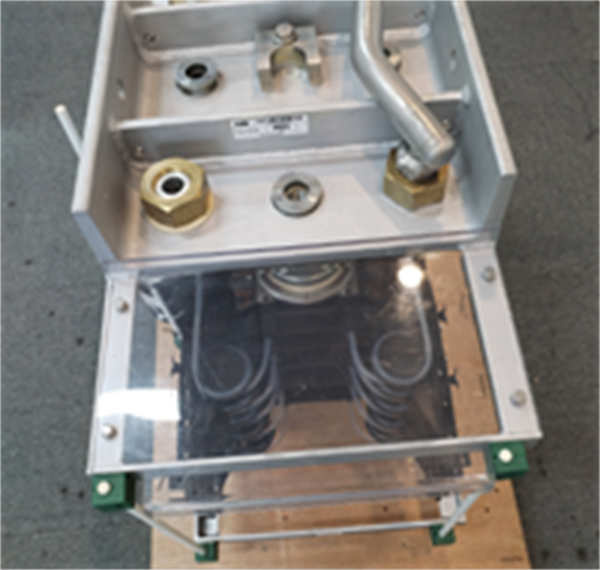
The ABB S-073N is typically deployed in motor control centers (MCCs) or power distribution panels within legacy industrial facilities—particularly in oil & gas, pulp & paper, and older chemical plants. It serves as the primary source of control power for critical subsystems such as emergency shutdown (ESD) logic solenoids, DCS I/O power supplies, and local operator push-button stations. Because it often feeds multiple safety-related circuits, a failure of this transformer can result in a complete loss of control voltage to an entire process unit. This may trigger cascading safety interlocks, force a controlled shutdown, or—in worst cases—disable safety functions during an abnormal event. In many installations, no hot standby exists, making this a single point of failure with high operational consequence.
Reliability Analysis and Common Failure Modes
Despite its age, many S-073N units remain in service due to the robust construction of ABB’s dry-type transformers from the 1980s–1990s. However, decades of thermal cycling and environmental exposure have introduced predictable degradation pathways.
Common failure modes include:
- Insulation breakdown in windings due to prolonged thermal stress, especially if operated near full load in high-ambient environments.
- Loose or corroded terminal connections, leading to overheating, voltage drop, or arcing—often exacerbated by vibration in MCC rooms.
- Moisture ingress in non-sealed enclosures, causing reduced insulation resistance and potential short circuits during humidity spikes.
- Core lamination degradation over time, increasing audible hum and eddy current losses, though rarely catastrophic.
Design weaknesses include the lack of modern protective features such as thermal sensors or surge suppression. The unit is also sensitive to upstream voltage sags or harmonics, which can accelerate winding fatigue.
Preventive maintenance recommendations:
- Perform annual insulation resistance (IR) and polarization index (PI) tests using a megohmmeter.
- Thermographically scan terminals and windings under load to detect hot spots.
- Verify tightness of all electrical connections (torque to ABB spec if available).
- Ensure adequate ventilation around the unit; clean dust/debris from cooling ducts.
- Monitor output voltage stability under varying load conditions—drift may indicate internal degradation.
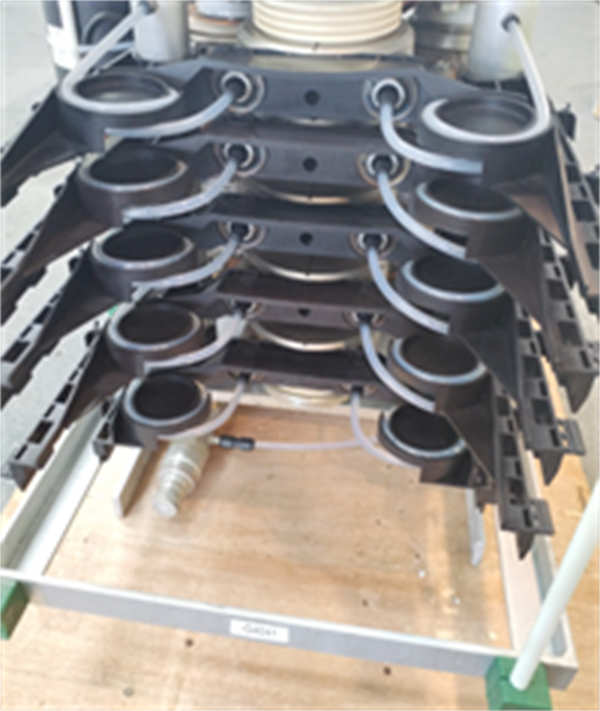
ABB S-073N
Lifecycle Status and Migration Strategy
The ABB S-073N has been officially discontinued for over 15 years. ABB no longer provides technical support, replacement parts, or repair services for this model. Continued use carries significant risk: spare units are scarce, counterfeit or poorly rebuilt units may enter the supply chain, and failure during operation could result in extended downtime due to long lead times for alternatives.
Temporary mitigation strategies include:
- Securing one or more tested, functional spares from certified surplus suppliers.
- Implementing temporary bypass schemes (where safety permits) to reroute control power from adjacent transformers during failure.
- Engaging specialized electrical rewind shops for on-condition repairs—though performance and lifespan post-repair are not guaranteed.
For permanent resolution, migration to a modern equivalent is strongly advised. ABB’s current low-voltage dry-type offering includes the Traction & Industrial Transformer (TIT) series or standard NXPLUS dry-type units. A direct functional replacement would be a 75 kVA, 480V–120/240V, 3-phase to single-phase dry-type transformer compliant with IEEE C57.12.01 and UL 5085. While the electrical function is straightforward to replicate, integration may require:
- Panel modifications to accommodate new dimensions or mounting.
- Updating short-circuit current ratings in the one-line diagram.
- Re-certifying the power system coordination study.
Importantly, this replacement does not require changes to downstream control logic—only physical and electrical integration. Planning this upgrade during a scheduled turnaround minimizes operational disruption and eliminates a known obsolescence risk.