 Tel:
Tel:  Email:
  WhatsApp:
 Description
Key Technical Specifications (For Spare Part Verification)
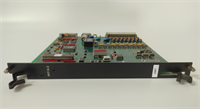
- Model: S-073N 3BHB009884R0021
- Manufacturer: ABB
- Platform: INFI 90 DCS (Legacy Bailey Network)
- Output Voltage: 24 VDC ±2%
- Output Current: 6 A continuous (per module)
- Input Voltage: 115/230 VAC, 50/60 Hz (auto-ranging)
- Redundancy: Supports N+1 parallel operation with other S-073N units via INFI 90 backplane
- Isolation: Reinforced insulation between AC input, DC output, and chassis ground
- Mounting: Slides into INFI 90 P- or M-series node rack (e.g., P0914xx baseplate)
- Status Indication: Front-panel LEDs for “OK”, “Fault”, and “Redundancy Active”
- Connector: Backplane-mounted; no external wiring required
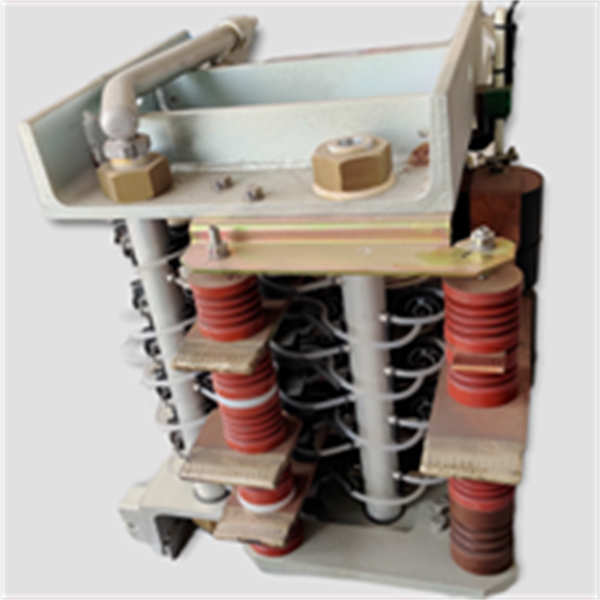
S-073N 3BHB009884R0021 ABB
System Role and Downtime Impact
The S-073N is a foundational component in INFI 90 control nodes, typically deployed in redundant pairs to ensure uninterrupted power to critical I/O modules such as FBM01 (analog input), FBM04 (digital output), and the NPM (Node Processing Module). In a coal-fired power plant’s boiler control node, for example, loss of power from both S-073N units would disable feedwater control, flame scanners, and damper actuators—potentially triggering a forced unit derate or emergency trip. Because INFI 90 systems often lack modern hot-swap capabilities, replacing a failed power supply usually requires a controlled node shutdown, which may not be feasible during peak production. Thus, the availability of tested, ready-to-deploy spares is essential for risk mitigation.
Reliability Analysis and Common Failure Modes
Despite its robust industrial design, the S-073N is vulnerable to component aging after decades of service. The most prevalent failure mode is electrolytic capacitor degradation in the DC output filter stage. As these capacitors dry out (typically after 10–15 years), they lose capacitance and increase ESR, leading to:
- Excessive output ripple (>200 mVpp)
- Voltage droop under load
- Intermittent “Fault” LED activation
Another common issue is fan failure in units equipped with active cooling (depending on revision). Dust accumulation in plant environments blocks airflow, causing thermal shutdown or premature semiconductor wear.
A design limitation is the lack of remote diagnostics: the module reports only basic status via front LEDs, with no digital health data accessible to the operator workstation. This makes predictive maintenance difficult.
Preventive maintenance recommendations:
- Perform annual infrared thermography to detect abnormal heating at terminals or heatsinks
- Measure output ripple voltage under full load using an oscilloscope (should be <100 mVpp)
- Clean ventilation slots and internal dust with non-conductive air spray during scheduled outages
- Replace units proactively if installed before 2010, even if currently functional
- Store spares in climate-controlled conditions to slow capacitor aging
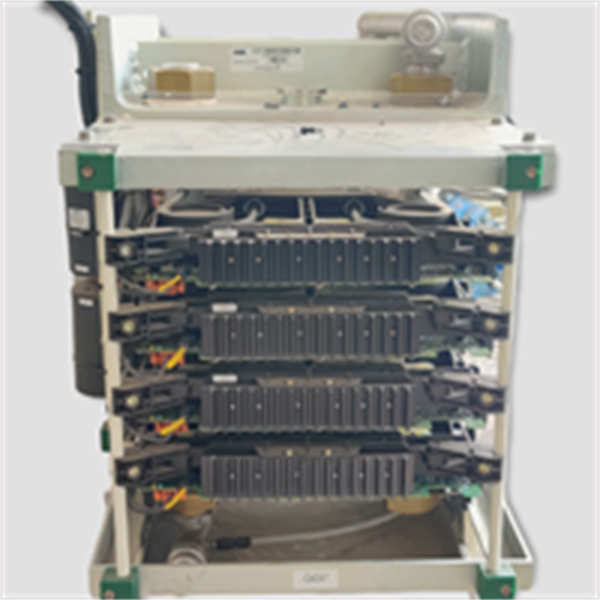
S-073N 3BHB009884R0021 ABB
Lifecycle Status and Migration Strategy
ABB officially ended manufacturing and standard support for the INFI 90 platform, including the S-073N, following the introduction of Symphony Plus and later System 800xA. While extended lifecycle programs exist for critical users, new S-073N modules are no longer produced. Continued reliance on this hardware carries significant operational risk: no factory repairs, no calibration traceability, and increasing difficulty validating used units.
Short-term risk mitigation includes:
- Securing multiple tested spares with full load/ripple validation reports
- Implementing external UPS-backed 24 VDC redundancy as a temporary bypass
- Partnering with specialized third-party firms offering board-level repair with component-level testing
For long-term sustainability, ABB recommends migration to Symphony Plus or System 800xA. The typical path involves:
- Replacing INFI 90 nodes with S+ ACN01 controllers and P-series I/O
- Using ABB’s legacy integration gateways (e.g., INFI 90 to S+ adapters) to phase the transition
- Retaining field wiring where possible to reduce re-commissioning costs
While migration requires engineering investment, it restores access to cybersecurity updates, remote diagnostics, and long-term spare parts availability—transforming an aging liability into a future-ready control infrastructure.