 Tel:
Tel:  Email:
  WhatsApp:
 Description
Key Technical Specifications (For Spare Parts Verification)
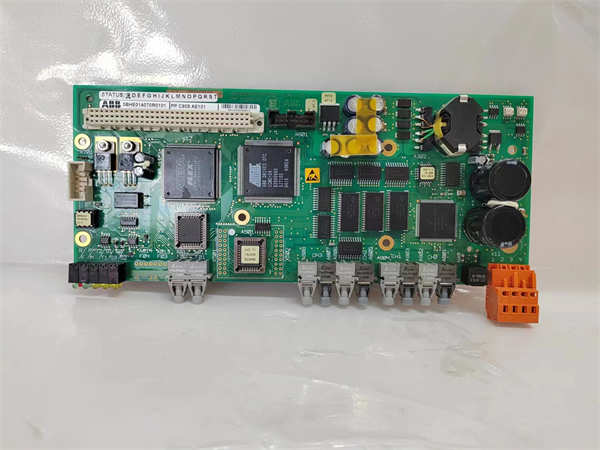
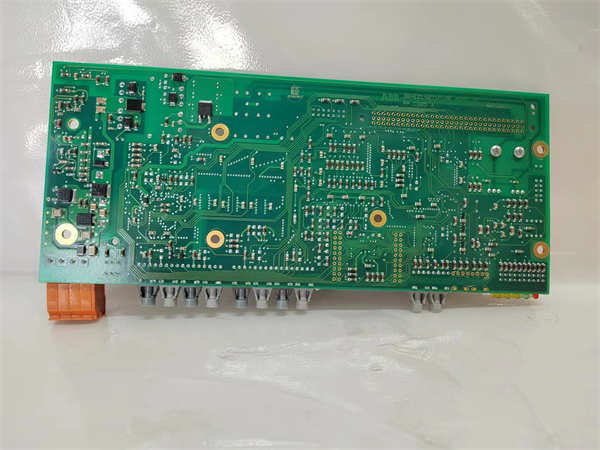
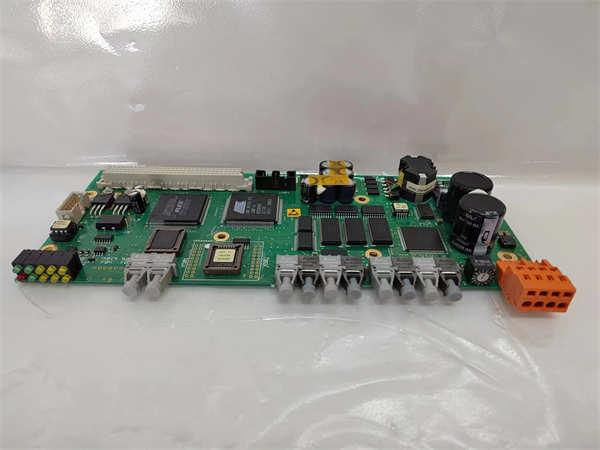
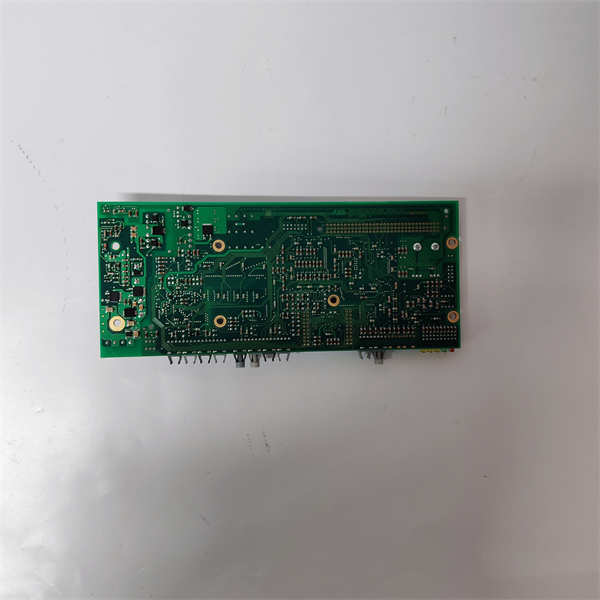
- Model: PPC905AE101
- Manufacturer: ABB
- Part Number: 3BHE014070R0101
- Target System: ABB AC 800M controller (PM86x series) within System 800xA architecture
- Input Voltage: 85–264 VAC, 47–63 Hz (universal input)
- Output: 24 VDC / 10 A continuous (240 W), with overvoltage and short-circuit protection
- Redundancy Support: Yes – designed for parallel operation with a second PPC905AE101 in 1+1 configuration
- Mounting: Slide-in module for AC 800M rail-mounted controller rack
- Cooling: Convection-cooled (no fan)
- Diagnostic Indicators: Green PWR OK LED, red FAULT LED
- Compliance: CE, UL, CSA, IEC 61010-1
System Role and Downtime Impact
The PPC905AE101 is installed in the power compartment of an AC 800M controller rack, typically serving as the primary or redundant source of 24 VDC for the CPU, communication modules, and local I/O terminations. In a non-redundant setup—common in smaller skid-based or auxiliary systems—a single PPC905AE101 failure results in immediate loss of controller power, halting all logic execution and breaking communication with field devices. Even in redundant configurations, degradation of one unit increases stress on the remaining supply, raising the risk of cascading failure. Given that AC 800M controllers often manage critical processes (e.g., boiler safety, compressor sequencing, or chemical dosing), such a failure can trigger plant-wide shutdowns or force operation into manual backup mode, with significant safety and production consequences.
Reliability Analysis and Common Failure Modes
Despite its robust industrial design, the PPC905AE101 is susceptible to age-related component wear due to its typical deployment era (mid-2000s). The most prevalent failure mode is electrolytic capacitor degradation in the primary-side filtering and secondary-side output stages. Over time, these capacitors lose capacitance and increase ESR (equivalent series resistance), leading to output voltage ripple, thermal runaway, or sudden shutdown under load. A secondary issue is connector pin corrosion at the backplane interface, especially in high-humidity environments, causing intermittent power delivery or false fault indications.
The module’s main design limitation is its lack of active power factor correction (PFC) and relatively low efficiency (~75%) compared to modern supplies. This results in higher internal heat generation, accelerating component aging—particularly in cabinets with poor ventilation. Additionally, while it supports redundancy, the absence of hot-swap capability means replacement requires a brief power interruption unless external bypass arrangements are in place.
Preventive maintenance recommendations include:
- Performing annual infrared thermography scans to detect abnormal heating
- Monitoring the FAULT LED trend via 800xA diagnostics for early signs of instability
- Verifying input voltage stability and ensuring clean grounding to reduce stress
- Maintaining at least one tested spare in climate-controlled storage, powered up quarterly to reform capacitors
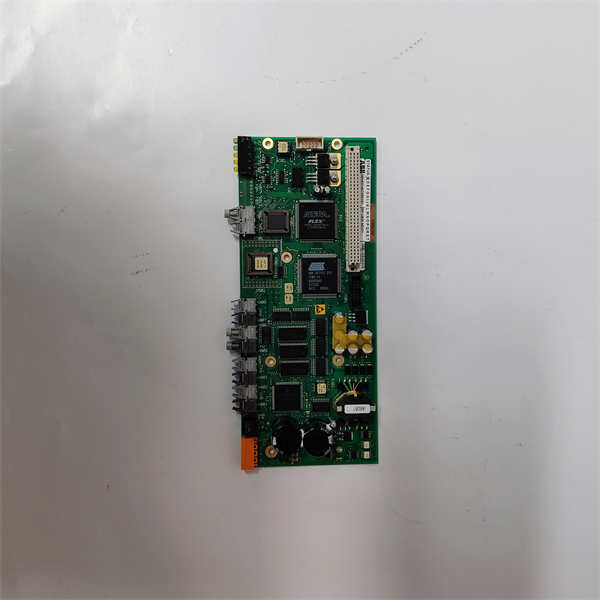
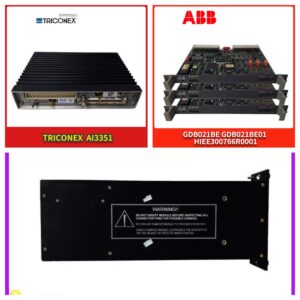
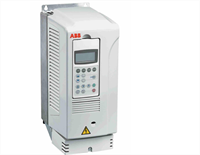
ABB PPC905AE101 3BHE014070R0101
Lifecycle Status and Migration Strategy
ABB officially marked the PPC905AE101 as obsolete and recommends migration to the PPC906AE101 or PPC907AE101, both of which are pin-compatible, offer >88% efficiency, include enhanced diagnostics, and are supported under current lifecycle policies. Continuing to operate systems reliant on the PPC905AE101 introduces escalating risks: diminishing spare availability, rising costs (units now trade at 3–5× original list price), and eventual loss of repair services.
As a short-term mitigation, facilities should:
- Audit existing spares and test them under load
- Implement strict redundancy (1+1) if not already deployed
- Consider third-party refurbishment with capacitor rework—but only from certified vendors
For long-term sustainability, the recommended path is to upgrade the entire AC 800M power system during the next scheduled turnaround. The PPC906/907 modules install directly into the same rack without chassis modification. No application logic changes are required, though firmware on the controller may need updating to fully utilize new diagnostic features. This upgrade extends the operational life of the AC 800M system by 10+ years and aligns with ABB’s ongoing 800xA support roadmap. Delaying action increases exposure to unplanned outages that far outweigh the cost of proactive replacement.