 Tel:
Tel:  Email:
  WhatsApp:
 Description
Key Technical Specifications (For Spare Part Verification)
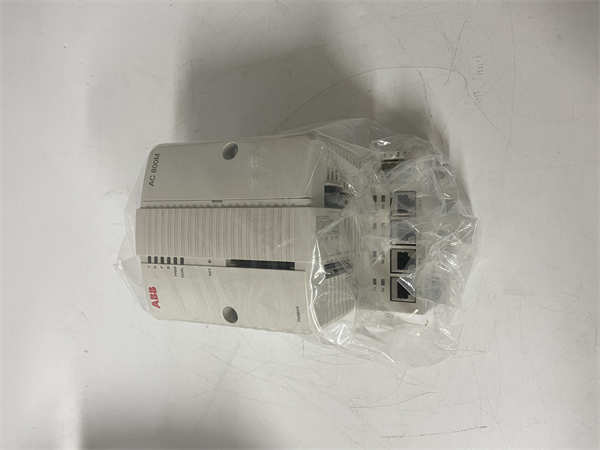
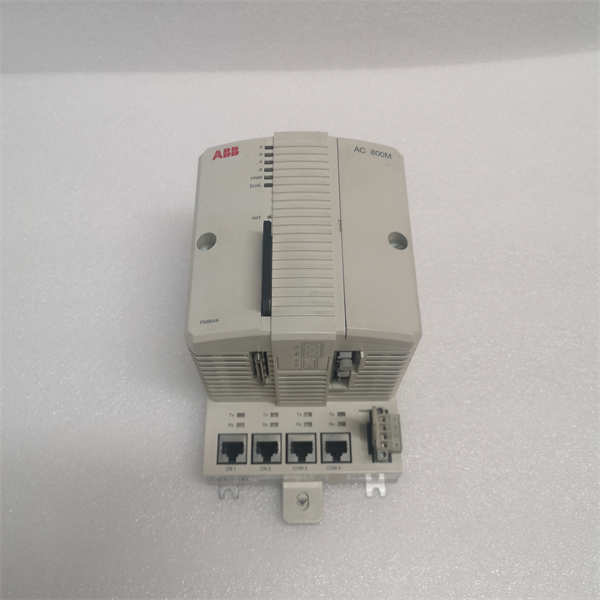
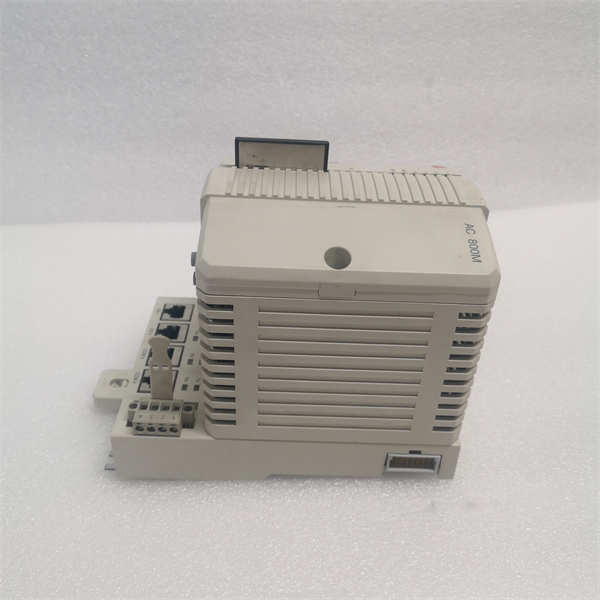
- Product Model: PM864AK01
- Manufacturer: ABB
- System Compatibility: ABB AC 800M series (CI854-based communication architecture)
- Order Code: 3BSE018161R1
- Processor Type: PowerPC-based embedded CPU (specific revision tied to firmware version)
- Memory: Integrated application memory (non-volatile), no user-expandable RAM
- Redundancy Support: Yes – supports 1:1 hot standby with a second PM864AK01 via synchronization link
- Communication Interfaces: Dual redundant MB300 backplane (for I/O access), plus optional CI854 for Profibus/Modbus TCP
- Programming Standard: IEC 61131-3 (via Control Builder M)
- Diagnostic Features: Built-in LEDs for RUN, STOP, REDUNDANCY, and ERROR states
- Mounting: DIN-rail mounted in AC 800M rack, occupies one module slot
- Operating Temperature: 0°C to +60°C (standard industrial grade)
System Role and Downtime Impact
The PM864AK01 serves as the central brain of an AC 800M controller station, executing control logic, managing I/O updates, and handling communication with operator stations, engineering tools, and higher-level systems. It is commonly deployed in continuous-process applications such as water treatment, pulp & paper, mining, and chemical plants. In redundant configurations, a failed primary CPU automatically transfers control to the standby unit—but if both CPUs fail, or redundancy is not implemented, the entire control station ceases to function. This can disable motor control, regulatory loops, interlocks, and data acquisition, leading to unplanned downtime or, in safety-related applications, exposure to hazardous conditions. Given its role in integrated architectures like ABB’s System 800xA, a PM864AK01 failure may also disrupt HMI data flow and alarm management.
Reliability Analysis and Common Failure Modes
Although designed for industrial robustness, the PM864AK01 exhibits age-related vulnerabilities typical of early-2010s embedded controllers. The most frequent failure mode is flash memory wear-out or firmware corruption, especially after repeated power cycles or unexpected shutdowns, leading to boot failures or “STOP” mode lockups. Capacitor aging on the internal power regulation circuitry can cause voltage instability, resulting in intermittent resets or communication dropouts on the MB300 backplane. Additionally, the synchronization port used in redundant pairs is sensitive to cable quality and termination; degraded links may prevent proper switchover during failover events.
A notable limitation is the lack of onboard battery for real-time clock (RTC) backup in some revisions—time stamps may reset on power loss, affecting sequence-of-event (SOE) logging integrity. Units operated in high-temperature environments or with poor cabinet ventilation show accelerated component stress.
Recommended preventive practices include:
- Monitoring CPU status LEDs and Control Builder M diagnostics for “backplane error” or “sync fault” indications
- Performing regular firmware and application backups using Engineering Workplace
- Verifying redundancy handover during scheduled maintenance windows
- Ensuring stable, clean 24 VDC power with adequate surge protection
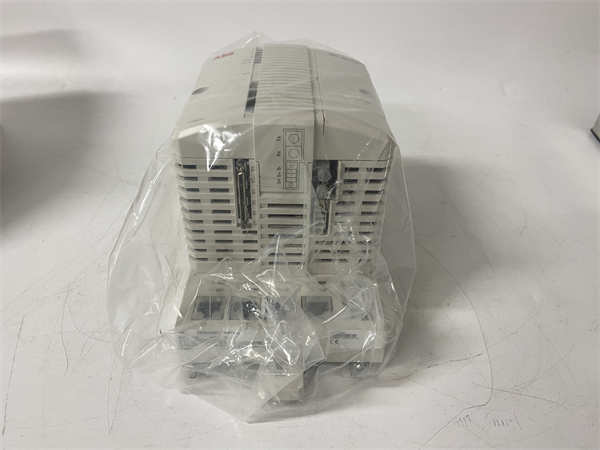
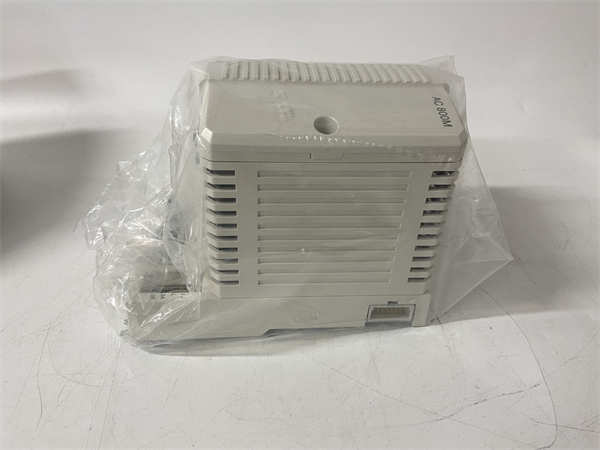
PM864AK01 3BSE018161R1 ABB
Lifecycle Status and Migration Strategy
ABB has formally obsoleted the PM864AK01 as part of the AC 800M product lifecycle plan. While limited support may exist through third parties, ABB no longer manufactures or repairs this module. Continued operation increases risk of extended outages due to spare unavailability and declining in-house expertise.
Interim risk mitigation includes:
- Securing multiple tested, matched-pair spares with identical firmware and hardware revisions
- Validating full system restore procedures from backup images
- Documenting rack configuration, node addresses, and network settings for rapid recovery
For long-term sustainability, ABB recommends migration to the AC 800M High End platform, specifically the PM866AK02 or PM867AK01 CPUs, which offer enhanced memory, faster processing, and extended lifecycle support. Migration typically involves:
- Replacing the CPU module while retaining existing I/O modules (e.g., AI810, DI810) via backward-compatible backplane
- Upgrading Control Builder M to a supported version (e.g., v6.x or later)
- Revalidating control logic, communication tags, and redundancy behavior
- Optionally integrating with modern System 800xA or Ability™ platforms for cloud connectivity
Such a transition preserves existing field wiring and reduces re-engineering effort while restoring access to manufacturer support, security patches, and future-proof scalability. A detailed migration study is advised to align with plant operational and compliance requirements.