 Tel:
Tel:  Email:
  WhatsApp:
 Description
Key Technical Specifications (For Spare Parts Verification)
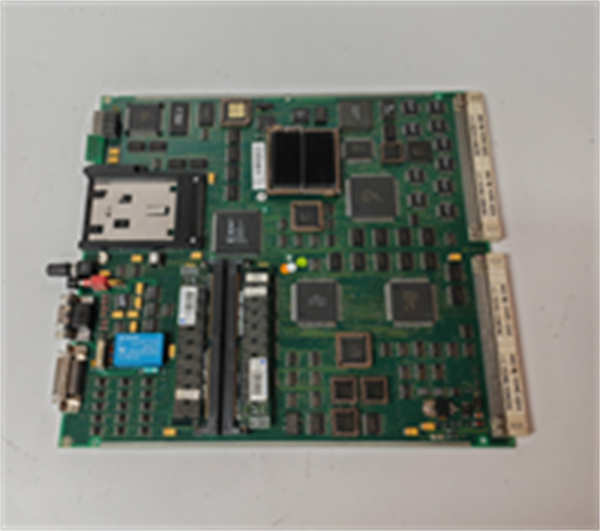
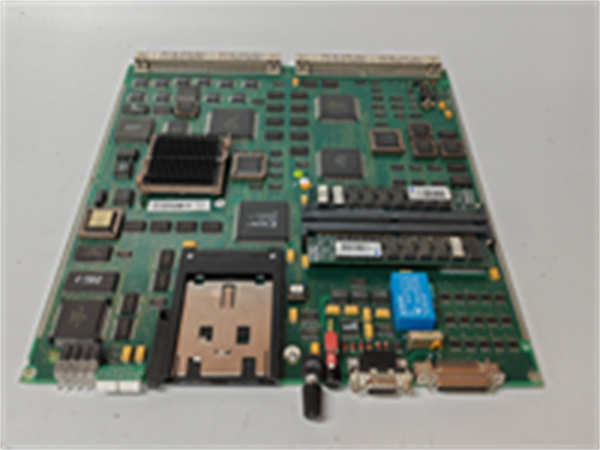
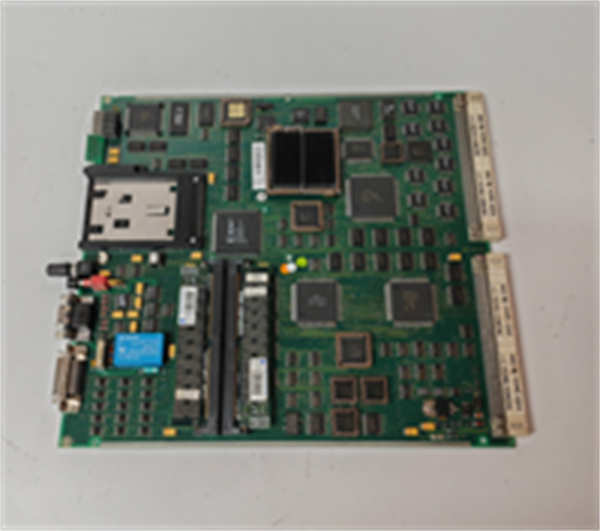
- Product Model: PM511V16
- Manufacturer: ABB
- System Family: ABB AC 800M / 800xA distributed control system
- Processor Type: 32-bit RISC, 20 MHz
- User Memory: 1 MB application memory (non-volatile flash)
- Execution Speed: 0.25 µs per Boolean instruction
- Communication Ports: 1x RS-232 (service), 1x Profibus DP (integrated)
- Backplane Bus: AC 800M internal bus (supports up to 24 I/O modules)
- Power Consumption: Approx. 3 W
- Mounting: Inserted into AC 800M rail (requires compatible baseplate)
- Operating Temperature: 0°C to +60°C
System Role and Impact of Failure
The PM511V16 serves as the central processing unit in compact ABB AC 800M control systems, commonly deployed in auxiliary plant systems, water treatment units, material handling, and small-scale process skids. It executes all control logic, handles I/O scanning, and manages communication with HMIs, engineering stations, and higher-level networks. Because it is a single-point controller (no built-in redundancy), its failure results in an immediate and total loss of automated control—motors stop, valves freeze, alarms may not trigger, and operator stations lose real-time data. In critical applications such as boiler feedwater control or emergency ventilation, this can escalate to safety incidents or regulatory non-compliance. Recovery requires physical replacement and, if the application program was not backed up externally, re-downloading from a configuration archive.
Reliability Analysis and Common Failure Modes
Although robustly designed, the PM511V16 is now well beyond its intended service life in many installations. Common failure mechanisms include:
- Flash memory wear-out: The onboard 1 MB flash memory has a finite number of write cycles. Repeated firmware updates or frequent program downloads can degrade cells, leading to corrupted application code or boot failures.
- Real-time clock (RTC) battery depletion: An internal lithium battery maintains time and configuration during power loss. After 10–15 years, this battery typically fails, causing time reset on power-up and potential loss of event logs.
- Backplane connector fatigue: Repeated thermal cycling causes micro-cracks in solder joints at the edge connector, resulting in intermittent communication with I/O modules or complete dropout.
- Power supply stress: While powered via backplane, voltage transients or sustained overvoltage conditions can damage the internal DC-DC converter, especially in plants with poor power quality.
Preventive actions include maintaining up-to-date application backups in Control Builder M, verifying system time stability after outages, inspecting for error logs related to “I/O Bus Fault,” and keeping a tested spare module in climate-controlled storage. Never rely solely on the onboard memory—always store the project offline.
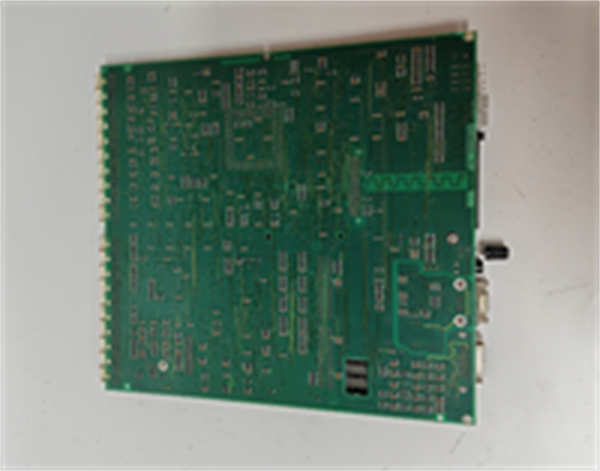
ABB PM511V16 3BSE011181R1
Lifecycle Status and Migration Strategy
ABB officially marked the PM511V16 as obsolete and replaced it with the PM512V08 and later PM513V08 CPUs, which offer faster processing, more memory, integrated Ethernet, and support for modern communication protocols like PROFINET and OPC UA. No new PM511V16 units are manufactured, and ABB no longer provides repair services or firmware updates.
Continued operation carries clear risks: spares are scarce, prices are inflated, and compatibility issues may arise with newer versions of Control Builder M or 800xA system software.
Short-term mitigation includes:
- Securing 1–2 tested spare units for emergency use
- Implementing rigorous backup and documentation practices
- Avoiding unnecessary power cycles to reduce stress
For long-term sustainability, migration to a current AC 800M CPU (e.g., PM513V08) is strongly advised. This upgrade path is largely seamless:
- Same rail and I/O module compatibility
- Application logic can be imported into modern Control Builder M
- Enables future integration with IT systems via OPC UA and enhanced cybersecurity features
While the hardware swap is straightforward, the true value lies in restoring access to technical support, security patches, and a stable supply chain—transforming a legacy liability into a maintainable, future-ready control platform.