
 Tel:
Tel:  Email:
  WhatsApp:
 Description
Key Technical Specifications
| Parameter | Specification | Field Context |
|---|---|---|
| Model Number | PFSA145 3BSE008843R1 | ABB Part Code |
| Function | Power Conditioning / Filtering | Suppresses EMI/RFI noise |
| Input Voltage | 24V DC (Typical) | Compatible with ABB Mark VI / Process Systems |
| Physical Type | Filter Unit / Capacitor Bank | Passive electronic filter |
| Weight | 3.3 kg | Heavy-duty industrial build |
| Mounting | DIN Rail / Rack Mount | 19-inch standard |
| Status | Discontinued / Obsolete | Common in legacy Mark VI systems |
Product Introduction
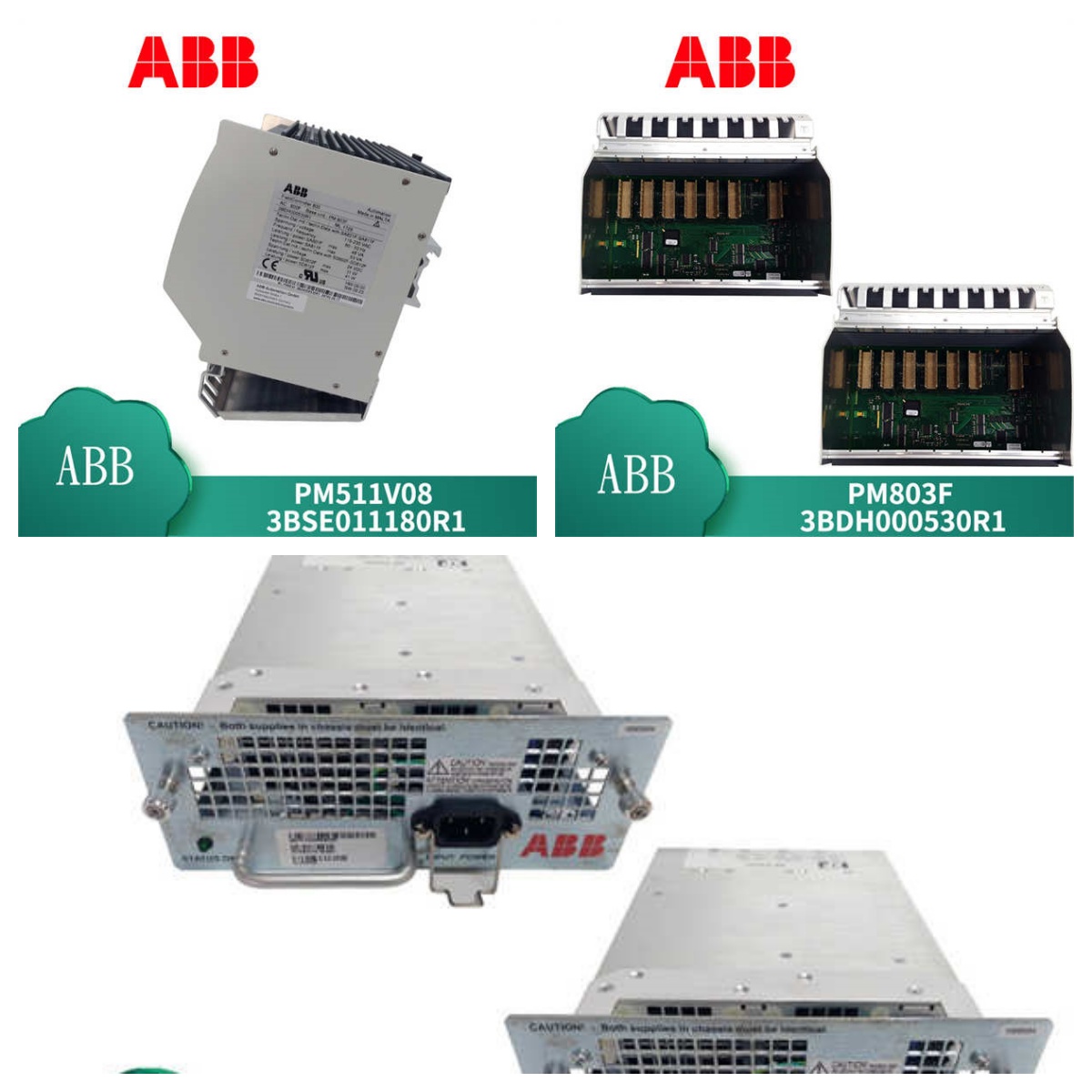
The ABB PFSA145 3BSE008843R1 is a ruggedized power filter unit designed to sit between the raw industrial power supply and the sensitive electronics of the ABB Mark VI control system. In the field, we often see this module as the first line of defense against the electrical noise generated by motors, drives, and relays on the factory floor. While it looks like a simple capacitor bank, its purpose is critical: it prevents brownouts and voltage spikes from causing the CPU to reset or the I/O cards to misread signals. It is a “set it and forget it” component, but when it fails, the entire control system can become unstable.Why Engineers Choose It
Engineers rely on this module because the Mark VI system is expensive and downtime is catastrophic. This filter provides a stable 24VDC input, which is the lifeblood of the control logic. Although it is now considered obsolete and may be difficult to source new, the “New Surplus” units available today are often just as reliable as the original, offering a cost-effective way to maintain legacy systems without upgrading the entire chassis.
 Quality SOP & Tech Pitfalls
 Quality SOP & Tech Pitfalls
The Lab Test Protocol
Before this unit leaves the warehouse, it must pass a rigorous inspection. First, we visually inspect the unit for signs of overheating or corrosion. Next, it is powered up on a test rack using a calibrated multimeter to verify the output voltage stability. We also perform an insulation resistance test to ensure there is no leakage that could damage the backplane. Finally, it is logged with its specific firmware version (if applicable) and packaged in anti-static material to prevent ESD damage during transit.The Engineer’s Warning: The “Dead Short” Hazard
Installation & Configuration Guide
Step-by-Step Module Replacement
- Pre-Installation (Safety First): Shut down the entire ABB rack and wait the mandatory 10 minutes for capacitors to discharge. Take a high-resolution photo of the current DIP switch settings on the adjacent cards.
- Removal: Release the DIN rail clips securing the unit. Carefully pull the module straight out to avoid bending the pins on the backplane.
- Installation: Insert the new PFSA145 3BSE008843R1 into the slot. Copy the DIP switch settings from your photo exactly. Secure it with the DIN clips.
- Power-On & Testing: Restore power to the rack. Monitor the LED indicators on the front panel. A solid green light indicates a successful boot. Verify the 24VDC input with a multimeter before proceeding with a logic download.
Compatible Replacement Models
Legacy System Migration Options
- ✅ Drop-in Replacement: PFSA145 3BSE008843R1 (Exact physical and electrical match).
ABB PFSA145 3BSE008843R1 Power Filter Module
- ⚠️ Software Compatible: PFSA145 3BSE008843R1 (Same hardware, but requires firmware update on the host controller if upgrading from an older revision).
- ❌ Hardware Mod Required: ABB PFXC141 (Different form factor; requires rewiring the power distribution block and chassis modifications).
Frequently Asked Questions (FAQ)
Q: Is this module still being manufactured?
A: No. The PFSA145 has been discontinued by ABB. You will likely need to purchase a “New Surplus” or refurbished unit from a third-party vendor.Q: Can I hot-swap this module while the system is running?
A: Yes, you can hot-swap it. However, I strongly advise against it in a live production environment. If you must hot-swap, ensure the system is in “Manual” mode and have a backup plan. The sudden loss of filtering during a transition can cause a transient spike that might reset the CPU.Q: What happens if I install it backward?
A: It won’t fit if you try to install it backward due to the keying on the connector. However, if you mix up the power wires on the terminal block, you will likely blow the internal fuses or destroy the capacitors immediately upon power-up.Q: Do I need to reconfigure the firmware when I swap this out?
A: Generally, no firmware reconfiguration is needed on the PFSA145 itself. However, if you are upgrading from an older revision, you may need to check the host controller’s firmware version to ensure compatibility with the new hardware revision.