 Tel:
Tel:  Email:
  WhatsApp:
 Description
Key Technical Specifications (For Spare Part Verification)
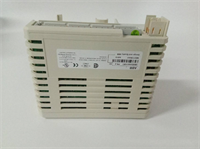
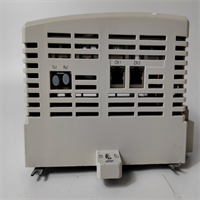
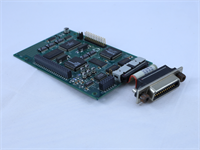
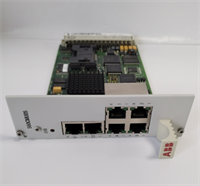
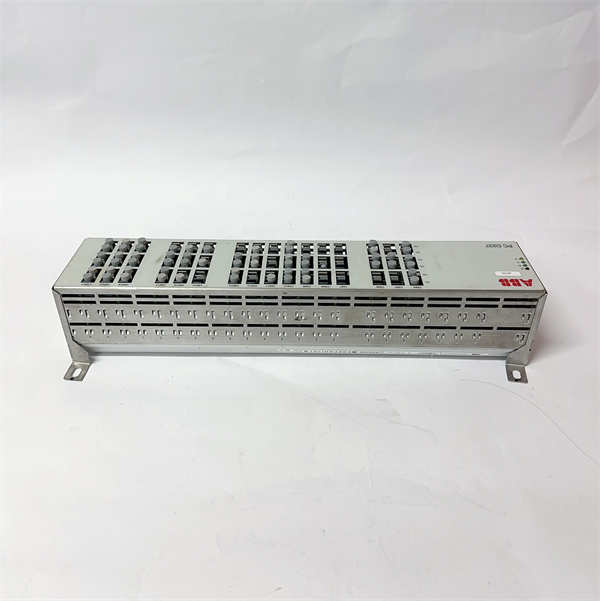
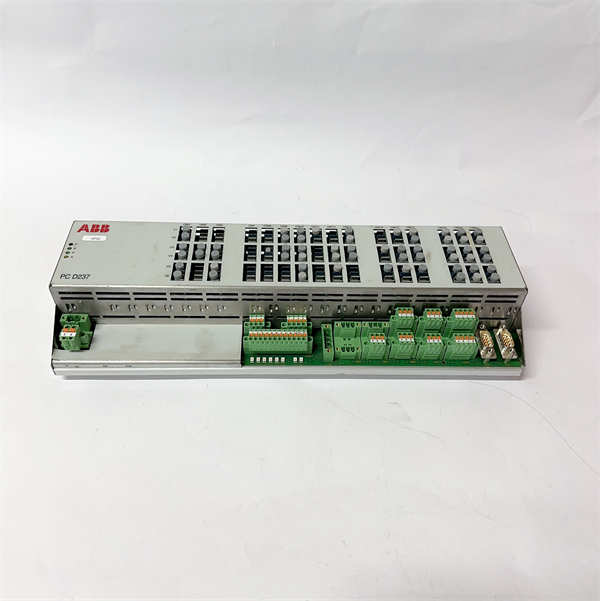
- Product Model: PCD237A101
- ABB Order Code: 3BHE028915R0101
- Manufacturer: ABB
- System Platform: SATT 190 (Simplified Advanced Turbine Technology)
- Processor Type: Proprietary 16/32-bit industrial CPU (circa late 1980s–1990s)
- Memory: Onboard RAM with battery-backed SRAM for program retention
- I/O Capacity: Supports up to 4,096 I/O points via remote racks
- Communication: Dual redundant MB300 fieldbus (ABB proprietary), serial ports for engineering station
- Redundancy: Hot-standby capable (with matching redundant unit)
- Mounting: 19-inch rack-mounted chassis
- Operating Temperature: 0°C to +55°C
- Power Supply: +5 V DC logic, supplied by system backplane
System Role and Downtime Impact
The PCD237A101 serves as the central brain of the ABB SATT 190 control system, commonly deployed in fossil fuel and nuclear power plants during the 1980s–1990s. It executes real-time control logic for critical processes such as turbine speed regulation, boiler feedwater control, and emergency shutdown sequences.
Failure of this CPU module—especially in non-redundant configurations—results in complete loss of automated control over the associated process unit. In turbine applications, this typically forces an immediate trip to prevent mechanical damage, leading to unplanned grid disconnection and extended outage durations. Even in redundant setups, loss of one CPU increases vulnerability to single-point failure during maintenance or transient events. Given the age of these systems, replacement lead times can exceed months, making this component a high-consequence single point of failure.
Reliability Analysis and Common Failure Modes
After 20–30 years of continuous operation, the PCD237A101 is highly susceptible to age-related degradation. The most critical vulnerability is battery-backed SRAM failure: the onboard lithium battery (typically non-replaceable without board modification) eventually depletes, causing permanent loss of application code and configuration upon power cycle.
Other common issues include:
- Electrolytic capacitor aging on the power regulation circuitry, leading to voltage instability and spontaneous reboots
- Corrosion or oxidation of edge connectors and backplane pins due to thermal cycling and humidity, causing intermittent communication with I/O racks
- EPROM data decay in older firmware versions, resulting in checksum errors or boot failures
The module’s design lacks modern diagnostics—no health LEDs, no remote status reporting, and no error logging—making fault isolation difficult. Additionally, its reliance on proprietary MB300 fieldbus limits integration with modern monitoring tools.
Recommended preventive actions:
- Maintain a known-good backup of the application program and firmware
- Perform annual battery voltage checks (if accessible) and plan for proactive replacement
- Clean backplane contacts with electronic-grade contact cleaner during outages
- Monitor for unexplained system resets or I/O scan errors as early failure indicators
PCD237A101 3BHE028915R0101 ABB
Lifecycle Status and Migration Strategy
ABB officially discontinued the SATT 190 platform, including the PCD237A101 (3BHE028915R0101), decades ago. No factory repairs, firmware updates, or technical support are available. New units have not been manufactured since the early 2000s; remaining stock exists only in decommissioned plant inventories or through specialized brokers—at prices often exceeding $15,000 per unit, with no performance guarantee.
Short-term risk mitigation includes:
- Securing multiple tested spare CPUs and storing them in climate-controlled conditions
- Engaging third-party firms that offer board-level refurbishment (e.g., capacitor and battery replacement)
- Implementing manual bypass procedures for non-safety-critical loops during CPU failure
Long-term, full migration to ABB’s System 800xA or Symphony Plus is the only sustainable path. ABB offers formal migration services that include:
- Automated conversion of SATT 190 logic to AC 800M controllers
- Replacement of MB300 I/O with modern CI854/CI864 communication modules
- Integration with asset performance management (APM) and cybersecurity frameworks
While migration requires significant capital investment and outage planning, it eliminates existential obsolescence risk, improves operational visibility, and aligns the plant with current regulatory and safety standards. For facilities nearing end-of-life, even a “like-for-like” retrofit using refurbished SATT hardware should be viewed as a temporary bridge—not a long-term solution.