 Tel:
Tel:  Email:
  WhatsApp:
 Description
Technical Specifications (For Spare Part Verification)
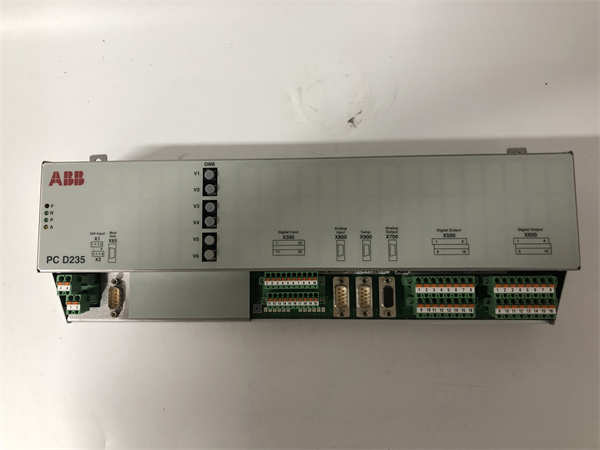
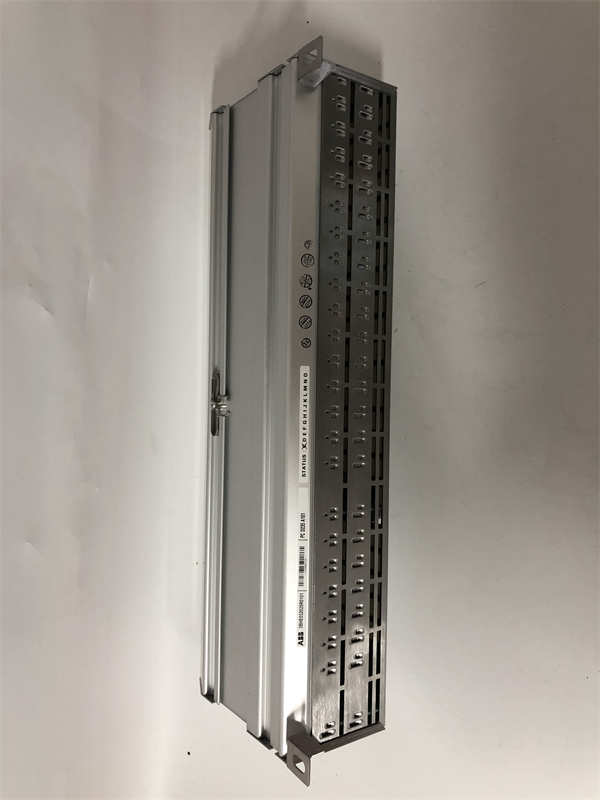
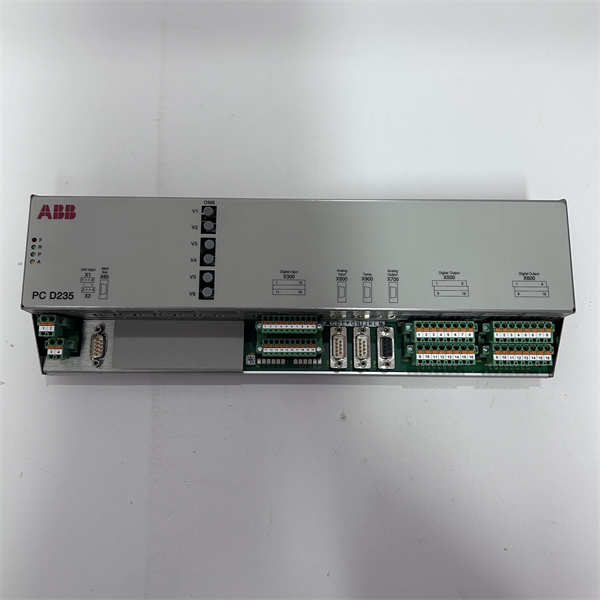
- Product Model: PCD235A101
- Manufacturer: ABB
- System Platform: SATT 190 / MasterPiece 200/300
- Output Voltages: +5 VDC @ 10 A, +15 VDC @ 1.5 A, -15 VDC @ 1.5 A
- Input Voltage: 115/230 VAC selectable via internal jumper
- Form Factor: Full-height rack-mounted module (approx. 300 mm H x 120 mm W x 280 mm D)
- Cooling: Forced air via internal fan (typically 24 VDC powered)
- Status Indicators: LED for AC OK, +5V OK, and Fan OK
- Redundancy: Supports 1+1 redundant configuration with second PCD235A101
- Connector Type: Screw-terminal field wiring for AC input; DIN-rail backplane for DC distribution
- Protection Features: Over-voltage, over-current, and thermal shutdown
System Role and Downtime Impact
The PCD235A101 is the sole source of regulated DC power for an entire SATT 190 or MasterPiece controller rack. It powers the central processor (e.g., PCD530), I/O modules (e.g., PCD111 digital inputs), and communication interfaces. In non-redundant installations—common in older plants—a single power supply failure results in immediate loss of all control functions in that rack.
In critical applications such as boiler furnace management, turbine protection, or chemical batch sequencing, this leads to an automatic safety shutdown (trip) of the entire process unit. Recovery requires not only hardware replacement but also system re-initialization and operator verification, often resulting in 8–24 hours of unplanned downtime. Even in redundant setups, aging units may fail to share load properly, causing cascading overload during minor disturbances.
Reliability Analysis and Common Failure Modes
After 20–30 years of continuous operation, the PCD235A101 exhibits predictable wear-out mechanisms. The most frequent failure is fan seizure due to bearing dry-out, leading to thermal shutdown or catastrophic overheating of output regulators. Secondary issues include electrolytic capacitor degradation in the primary and secondary filtering stages, causing voltage ripple, output droop, or intermittent shutdowns under load.
A key design limitation is its lack of remote monitoring: there is no communication interface to report health status to the DCS. Operators only become aware of a fault when the rack loses power or the “PSU Fault” relay activates. Additionally, the internal thermal fuse and MOVs are non-resettable; once triggered by a surge, the entire unit must be replaced.
For preventive maintenance, site teams should:
- Inspect and clean air intake vents quarterly to prevent dust buildup
- Listen for abnormal fan noise during routine rounds
- Measure output voltages annually under full load using a calibrated meter
- Verify redundancy switchover functionality during planned outages
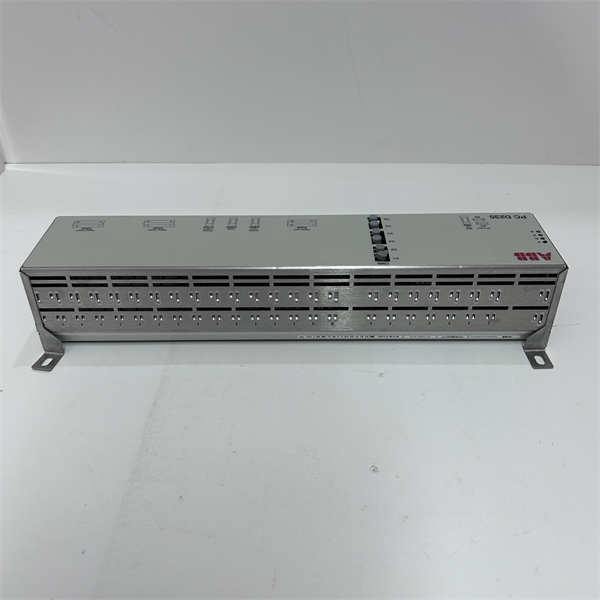
ABB PCD235A101
Lifecycle Status and Migration Strategy
ABB offers no direct replacement for the PCD235A101. The official migration path is a full transition from SATT 190/MasterPiece to System 800xA with AC 800M controllers, which requires complete re-engineering of control logic, I/O rewiring, and operator training. There is no retrofit power supply that fits the original rack footprint while meeting modern safety and efficiency standards.
Continued operation relies entirely on dwindling spare inventory. Risks include:
- Increasing failure rate due to component aging
- Inability to verify performance of used units without original test fixtures
- Lack of surge protection compliant with current IEC 61000 standards
As interim measures, facilities may:
- Acquire 2–3 verified spares from reputable vendors with load-test certification
- Install external temperature sensors on PSU housings for early overheat detection
- Add upstream UPS and surge suppression to reduce electrical stress
For long-term sustainability, a phased migration to a modern DCS is strongly recommended. While capital-intensive, it eliminates single-point obsolescence risks, improves cybersecurity posture, and restores access to engineering support and spare parts with predictable lead times.