 Tel:
Tel:  Email:
  WhatsApp:
 Description
Key Technical Specifications (For Spare Part Verification)
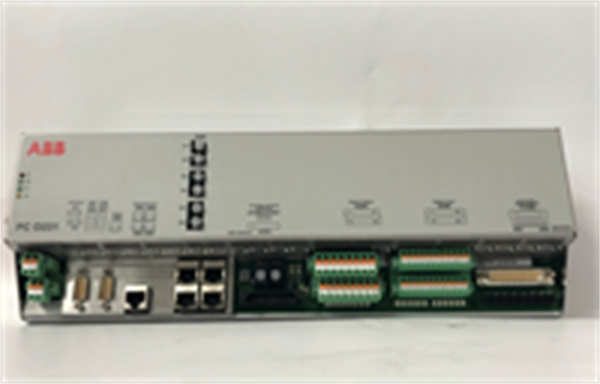
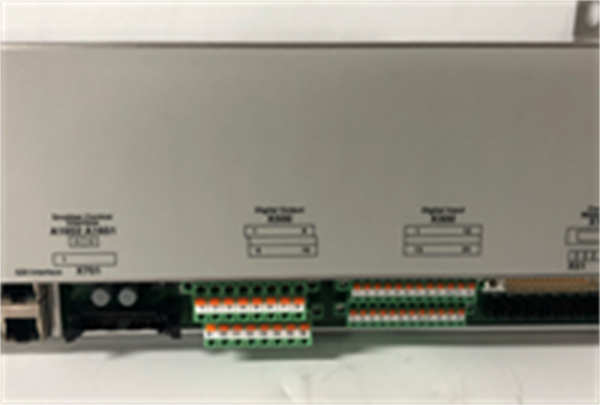
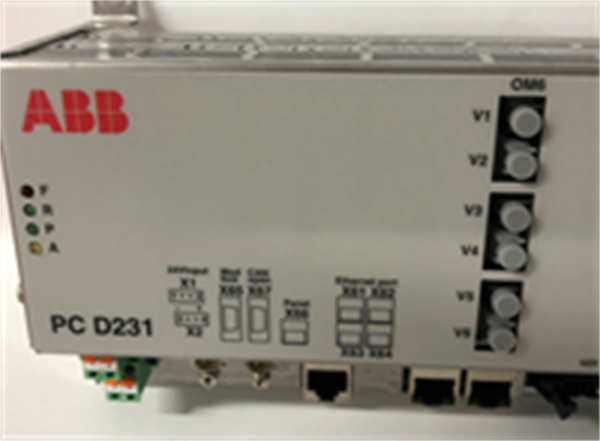
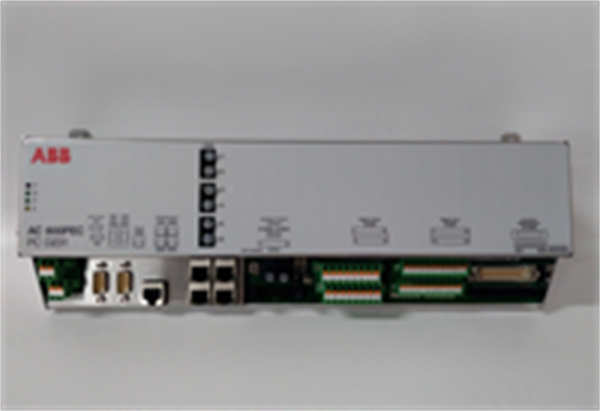
- Product Model: PCD231B
- Manufacturer: ABB
- System Platform: SATT 3000 DCS
- Input Channels: 16 differential analog inputs
- Standard Input Range: 4–20 mA (other ranges possible via internal jumpers or configuration)
- Input Impedance: Approximately 250 Ω per channel
- Isolation: Galvanic isolation between field side and backplane logic (typically ≥500 V AC)
- Accuracy: ±0.1% of full scale under reference conditions
- Update Time: ~100 ms per scan cycle (system-dependent)
- Backplane Interface: Proprietary SATT parallel bus via DIN 41612 connector
- Diagnostic Indicators: Single front-panel LED for general module status (no per-channel fault indication)
- Mounting: Standard SATT 3000 I/O chassis (local or remote cabinets)
- Operating Temperature: 0°C to +55°C
System Role and Downtime Impact
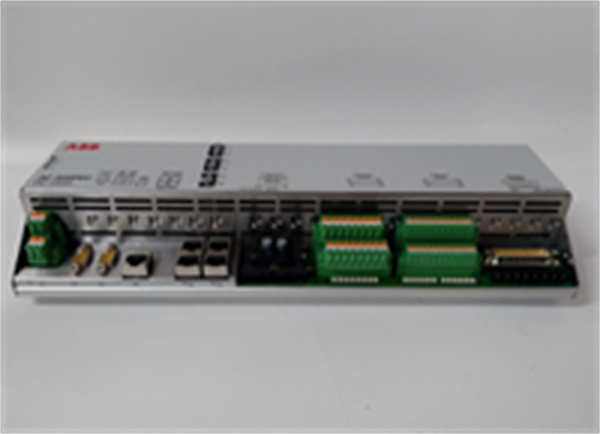
The PCD231B is a foundational I/O module in legacy SATT 3000 installations, commonly found in power plants, district energy systems, and heavy industrial facilities. It converts analog signals from field transmitters—such as pressure, temperature, level, and flow—into digital values used by the central PCD530 CPU for regulatory control and protective interlocking. Because a single module handles up to 16 critical measurements, its failure can simultaneously invalidate multiple control loops. In applications like boiler drum level control or turbine lube oil pressure monitoring, this may trigger alarms, force manual operation, or initiate an emergency shutdown. Recovery requires physical replacement and revalidation of signal scaling in the SATT engineering database—a task increasingly difficult due to the scarcity of compatible software and expertise.
Reliability Analysis and Common Failure Modes
Despite robust original design, the PCD231B is prone to age-related failures after decades of service:
- Input circuit drift: Precision resistors and isolation amplifiers degrade due to thermal cycling, causing measurement offsets that accumulate over time.
- Capacitor aging: Electrolytic capacitors in the internal DC/DC converter dry out, leading to power instability, intermittent resets, or complete output dropout.
- Backplane connector issues: Corrosion or mechanical wear on the DIN 41612 edge connector causes poor contact, resulting in communication errors or module dropout from the I/O rack.
- Solder joint fatigue: Repeated heating and cooling cycles induce micro-cracks in solder joints, particularly around high-current components, creating latent faults.
The module lacks modern diagnostics—there is no way to detect a degraded but still operational channel. Preventive maintenance should include periodic loop calibration using certified current sources, visual inspection for PCB discoloration or capacitor bulging, and verification of secure seating in the I/O rack. Any spare unit must undergo full functional testing across all channels before being placed into service, as “new old stock” often exhibits hidden defects.
PCD231B ABB
Lifecycle Status and Migration Strategy
ABB discontinued the SATT 3000 platform many years ago, and the PCD231B is no longer manufactured, repaired, or supported. Continuing to operate on this architecture carries significant operational, safety, and compliance risks due to unverifiable spare quality and lack of cybersecurity features.
As a short-term measure, maintain at least two fully tested spares per critical system and implement transient voltage suppression on all field wiring. For long-term sustainability, ABB’s official migration path is to the System 800xA platform, which uses modern analog input modules (e.g., AI810) with built-in diagnostics, Ethernet connectivity, and support for predictive maintenance. This transition requires comprehensive engineering work: reassigning I/O tags, converting control logic to IEC 61131-3 in Control Builder M, and revalidating all safety instrumented functions.
Alternatively, third-party protocol gateways can digitize 4–20 mA signals and transmit them via Modbus TCP or OPC UA to a modern SCADA system, preserving field devices while bypassing the SATT CPU. However, this approach does not restore closed-loop control unless integrated with a new PLC. Early action—including archiving existing SATT configuration files and signal databases—is essential to ensure a controlled, risk-managed migration away from this obsolete platform.