 Tel:
Tel:  Email:
  WhatsApp:
 Description
Key Technical Specifications (For Spare Parts Verification)
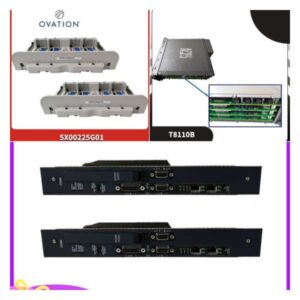
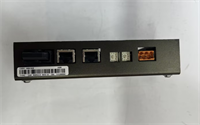
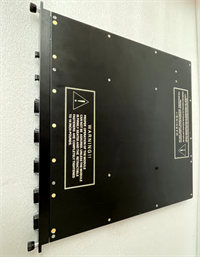
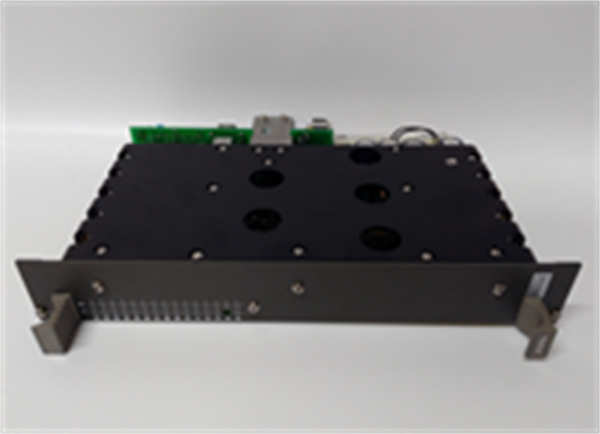
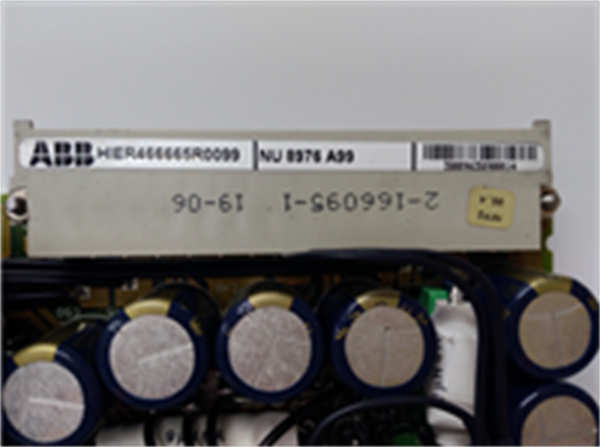
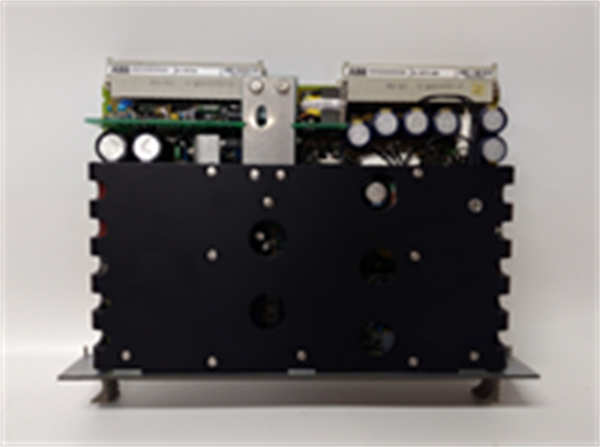
- Product Model: ABB NU8976A99 (HIER466665R0099 / HIEE320693R0001)
- Manufacturer: ABB
- Belonging System: ABB Industrial Automation & Drive Systems
- Function: Digital I/O Module / Control & Interface Unit
- Operating Voltage: 220 V (Typical) / Varies by application
- Output Frequency: 30 kHz (Typical) / Varies by application
- Operating Temperature: Industrial extended range
- Dimensions: 480 x 82 x 180 mm (D x H x W)
- Weight: 0.66 kg
- Mounting: Panel or rack-mounted integration
- Certifications: CE, RoHS, UL (Varies by variant)
System Positioning & Downtime Impact
The ABB NU8976A99 (HIER466665R0099 / HIEE320693R0001) is a critical component within ABB’s industrial automation and drive systems, particularly in applications such as oil & gas, metals, and mining. This module functions as a key interface and control unit, responsible for signal processing, logic execution, and coordination between controllers and field devices. Its failure directly impacts the ability to control connected equipment, leading to immediate production line shutdown or critical process interruption in high-power drive systems and complex automation architectures .
Reliability Analysis & Common Failure Points
- Common Failure Modes: This module typically fails due to aging electrolytic capacitors, power semiconductor burnout, or degradation of communication interfaces. Power surges, thermal stress from high ambient temperatures, and mechanical vibration in industrial settings are primary accelerants of failure.
- Weak Links: The design’s primary vulnerability lies in its dependence on internal power conversion components and sensitive digital circuits that are susceptible to voltage transients and electromagnetic interference (EMI). The wide operating temperature range, while a strength, can also lead to thermal fatigue over time.
- Preventive Maintenance Recommendations: To extend the life of existing units, maintenance personnel should focus on ensuring clean and stable input power, maintaining adequate cabinet ventilation to prevent overheating, and periodically checking for signs of component degradation or corrosion on the PCB. Regular functional verification and monitoring of system event logs for anomalies are also recommended .
NU8976A99 ABB
Lifecycle & Migration Strategy
- Official Status & Risk: This model is considered obsolete by ABB. Continuing to use it carries significant risks, including the inability to source genuine replacements, lack of technical support, and potential incompatibility with modern safety standards. The product is in the “End-of-Life” phase, where only limited spare parts may be available .
- Temporary Solutions: In cases where immediate system upgrade is not feasible, the primary temporary solution is sourcing refurbished or new-old-stock (NOS) units from specialized industrial automation suppliers. Third-party repair services for board-level component replacement are also a common stopgap measure to maintain operations.
- Migration/Replacement Path: ABB’s official recommendation for modernizing systems using this legacy module is to migrate to the latest generation of ABB controllers or drives, such as the AC500 series for PLCs or the ACS880 series for drives. This migration requires a complete system redesign, including hardware replacement and reprogramming of control logic to leverage the advanced features of modern platforms .