 Tel:
Tel:  Email:
  WhatsApp:
 Description
Key Technical Specifications (for Spare Part Verification)
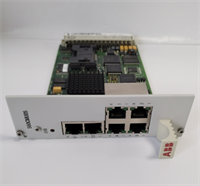
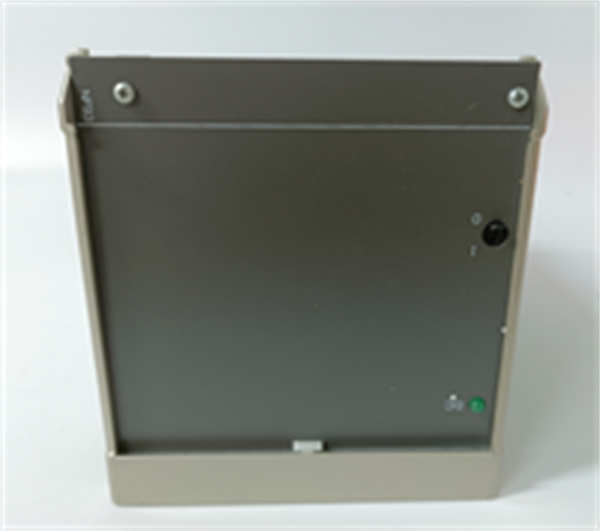
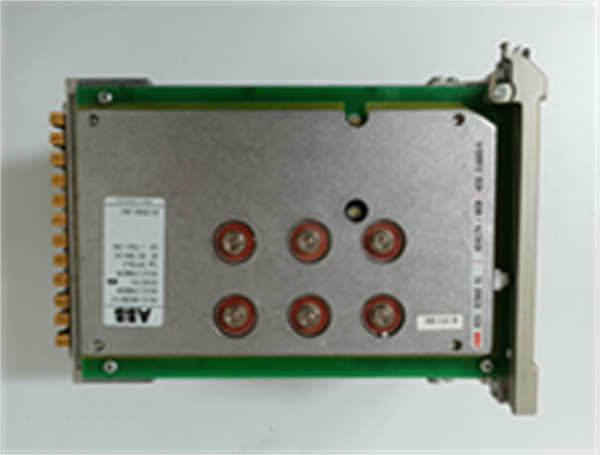
- Product Model: NF93A-2 HESG440280R2
- Manufacturer: ABB
- System Compatibility: ABB DCS Control Systems (e.g., AC500 series, System 800xA)
- Operating Voltage: 24 V DC ±15% (Typical)
- Operating Temperature: -20°C to +70°C (or -25°C to +60°C depending on variant)
- Communication Protocols: PROFIBUS DP, Modbus RTU, Ethernet/IP
- Control Capabilities: Executes programmable control logic, monitors electrical parameters (current, voltage, frequency)
- Dimensions: Approximately 120mm x 100mm x 30mm (varies by source)
System Positioning and Downtime Impact
The NF93A-2 HESG440280R2 module serves as the central processing brain within its control system. It is typically installed in control cabinets or automation racks as the primary controller. This module is responsible for executing the control logic that governs critical industrial processes, such as equipment startup, load distribution, and protection operations.
A failure of this module results in a complete loss of control over the connected process. Since it is the main processor, its failure causes an immediate and total system shutdown. In critical infrastructure like power plants, chemical processing facilities, or water treatment plants, this failure can lead to significant production losses, safety incidents, or environmental non-compliance. The system cannot function without a functional controller module, making it a single point of failure in the control architecture.
Reliability Analysis and Common Failure Points
Common Failure Modes:
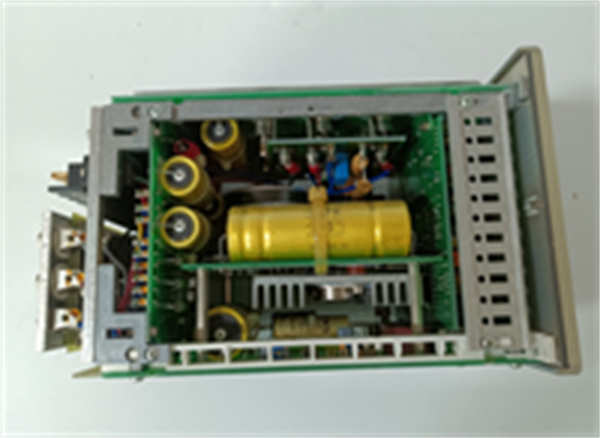
This module typically fails due to component aging, particularly electrolytic capacitors in the power supply section, which can lead to voltage instability and complete board failure. The communication ports (such as PROFIBUS or Ethernet) are sensitive to electrical noise and voltage spikes from field wiring, often resulting in intermittent communication faults or port burnout. Firmware corruption can also occur due to power interruptions or electrostatic discharge (ESD) during handling.
Weaknesses:
The design relies on older semiconductor technology, which may have lower tolerance to modern industrial noise levels compared to newer modules. The absence of active cooling (fanless design in some variants) makes it susceptible to overheating if mounted incorrectly or if cabinet ventilation is inadequate. Its reliance on volatile memory for parameter storage makes it vulnerable to data loss during power outages if backup batteries are not maintained.
Preventive Maintenance Recommendations:
Regularly inspect the module for signs of overheating (discoloration) or capacitor bulging. Ensure the 24V DC power supply is clean and stable with proper filtering. Back up the configuration parameters regularly to avoid loss during power failures. Check for loose connections on the terminal blocks that could cause intermittent faults. Maintain adequate airflow around the module and avoid horizontal mounting if specified for vertical installation only.
NF93A-2 HESG440280R2 ABB
Lifecycle and Migration Strategy
Official Status and Risks:
ABB has officially discontinued production of the NF93A-2 HESG440280R2 module. Continuing to use it poses significant operational risks, including the inability to source genuine spare parts, escalating costs on the gray market, and a complete lack of technical support for troubleshooting or firmware updates. There is also a high risk of receiving counterfeit or refurbished parts that do not meet original performance specifications, potentially causing unexpected downtime or safety hazards.
Temporary Solutions:
If immediate replacement is not feasible, sourcing refurbished units from reputable suppliers can provide a temporary fix. Board-level repair services may be available for minor component failures (like capacitor replacement). However, these solutions carry the risk of shorter lifespan and potential compatibility issues. Maintaining a cold spare (a tested backup module) on-site is the most reliable temporary mitigation strategy.
Migration/Replacement Path:
ABB’s recommended upgrade path involves migrating to modern controllers within the AC500 series or the System 800xA platform. Modern equivalents offer enhanced processing power, cybersecurity features, and support for contemporary communication protocols like OPC UA. Migration requires rewiring I/O connections and reprogramming the control logic using updated engineering tools (like Automation Builder or Control Builder). While this involves upfront engineering effort, it eliminates the long-term risks associated with obsolete hardware and improves system reliability.