 Tel:
Tel:  Email:
  WhatsApp:
 Description
Key Technical Specifications (For Spare Parts Verification)
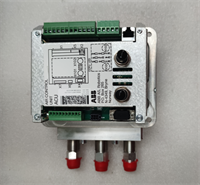
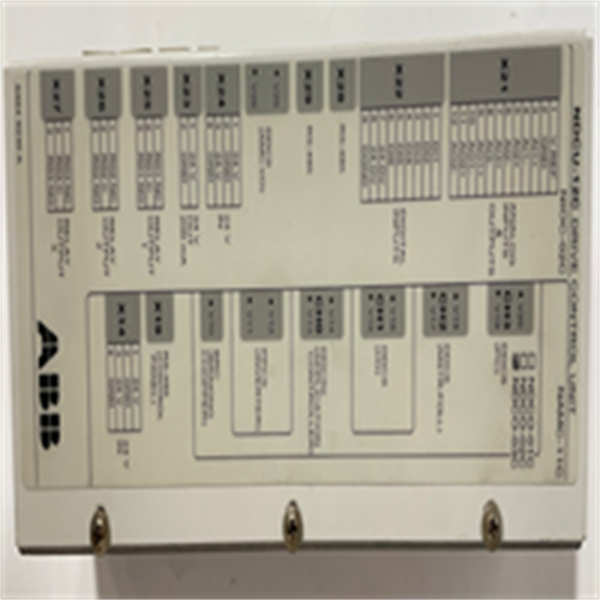
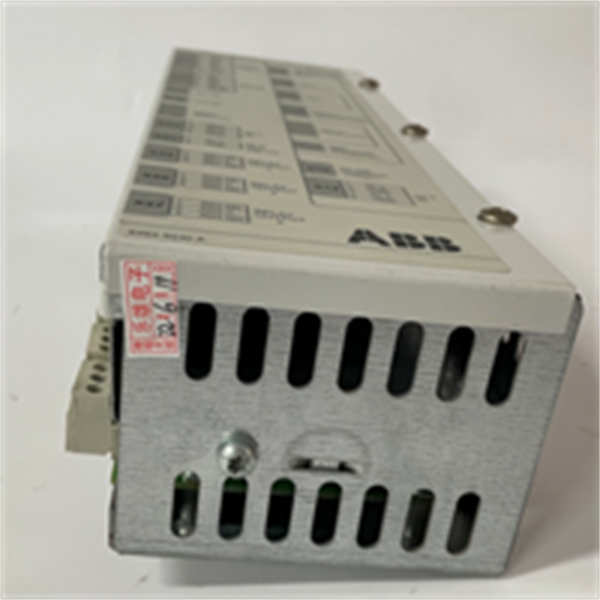
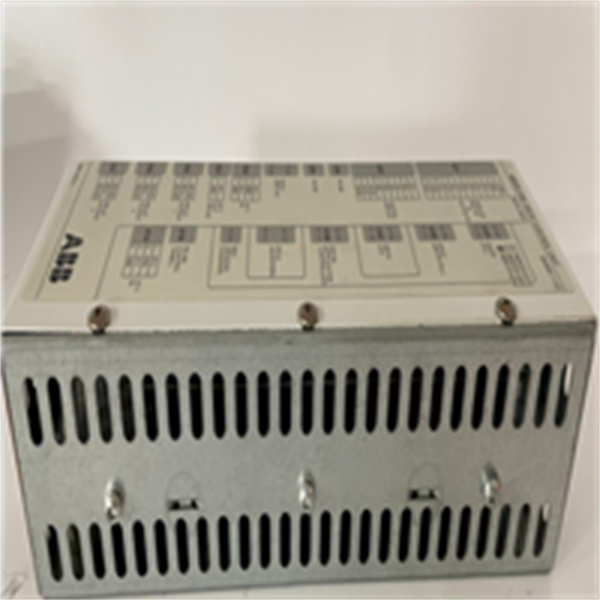
- Product Model: NDCU-12C / NDCU-12CK
- Manufacturer: ABB
- Belonging System: ACS800 Drive Series
- Power Supply: 24 VDC
- Power Consumption: Typically 150 mA at 24 VDC
- Dimensions (H x W x D): 134 x 56 x 70 mm
- Weight: 330 g (approx.)
- Mounting: DIN-rail
- Connector: 8-pin terminal strip
- Key Feature (NDCU-12CK): Conformal coated for harsh environments
System Positioning & Downtime Impact
The NDCU-12C and NDCU-12CK are critical components in ABB’s ACS800 drive systems. They function as I/O extension and control units, providing additional analog and digital I/O connections, relay outputs, and control logic capabilities. In a typical setup, they are mounted on the drive’s control unit or in a separate enclosure. Their failure directly impacts the drive’s ability to receive external control signals (e.g., start/stop commands, speed references) or send status signals. This can lead to a complete drive shutdown, halting the connected motor and the associated process. In critical applications like pumps or conveyors, this results in immediate production stoppage.
Reliability Analysis & Common Failure Points
- Common Failure Modes: The most frequent failure points for these control units are related to environmental stress and electrical transients. The electrolytic capacitors used for power filtering can degrade over time, especially in high-temperature environments, leading to power supply failure. The terminal blocks can suffer from loose connections or corrosion, causing intermittent faults. The internal microprocessors are susceptible to damage from voltage spikes or electrostatic discharge (ESD) during handling.
- Weak Links: The primary vulnerability lies in the power supply section and the I/O interface circuits. These modules are designed for industrial environments but can be sensitive to moisture and dust ingress if the cabinet seals are compromised. The NDCU-12CK variant, with its conformal coating, offers better protection against condensation and corrosive atmospheres, but the underlying electronics remain susceptible to thermal cycling and vibration.
- Preventive Maintenance Recommendations: To extend the life of existing units, maintenance personnel should focus on:
- Environmental Control: Ensure the control cabinet is clean, dry, and within the specified temperature range.
- Electrical Inspection: Regularly check terminal torque to prevent loose connections that can cause overheating.
- Power Quality: Verify that the 24V DC power supply is stable and free from transients.
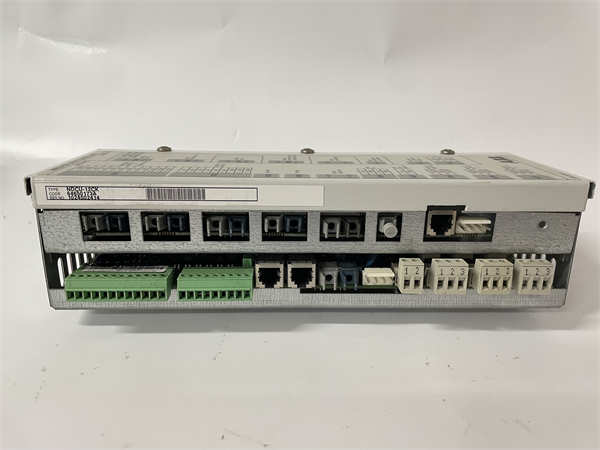
NDCU-12C NDCU-12CK ABB
Lifecycle & Migration Strategy
- Official Status & Risk: The NDCU-12C and NDCU-12CK are confirmed to be in a Discontinued (Obsolete) state. The primary risk of continued use is supply chain disruption. As existing stock depletes, sourcing a genuine replacement becomes increasingly difficult and expensive. There is also a growing risk of receiving counterfeit or refurbished parts that may not meet the original performance and safety standards. Technical support from the manufacturer for these specific models is no longer available.
- Temporary Solutions: In the event of a failure where an immediate replacement is unavailable, the only viable temporary solutions are:
- Sourcing from Independent Distributors: Procuring from suppliers specializing in obsolete industrial components, though this carries risks regarding part authenticity and condition.
- Component-Level Repair: In some cases, specialized repair services can replace burnt components or damaged connectors, but this is a stopgap measure and may not restore the component to its original reliability.
- Migration/Replacement Path: The recommended strategy is to migrate to a modern equivalent from ABB’s current product portfolio. For ACS800 systems, the logical upgrade path is to the ACS880 series. The migration process typically involves:
- Hardware Replacement: Replacing the entire drive unit, as the control architecture and I/O mapping are different between the ACS800 and ACS880 series.
- Software Migration: Converting the existing drive parameters and control logic to the new platform, which may require significant re-engineering effort.
- Wiring Adaptation: The new drive will have different terminal layouts and communication interfaces, requiring rewiring of the control circuits.