 Tel:
Tel:  Email:
  WhatsApp:
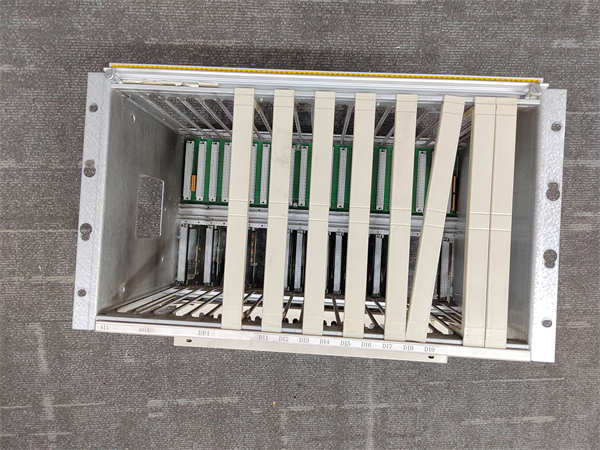
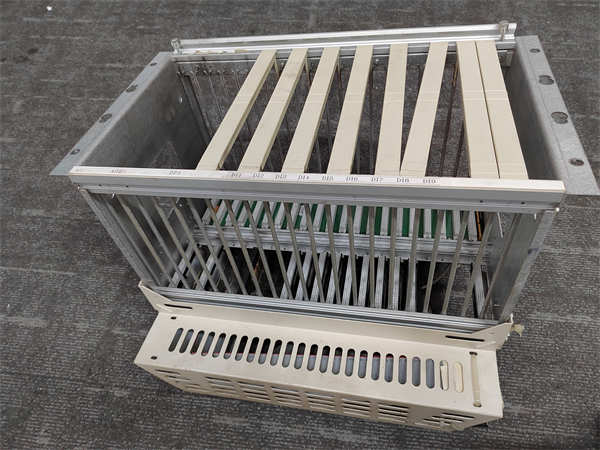
 Description
Technical Specifications (For Spare Parts Verification)
- Product Model: DSRF197
- Manufacturer: ABB
- System Platform: AC 800M within Extended Automation System 800xA
- Module Type: Redundant I/O baseplate (carrier)
- Compatibility: Designed for use with redundant analog/digital I/O modules (e.g., AI810R, DI810R)
- Backplane Architecture: Dual independent ModuleBus paths for active/standby communication
- Power Supply: Receives +24 VDC and logic power from redundant power supplies via chassis backplane
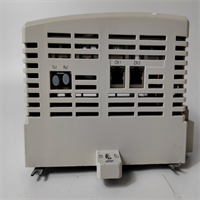
- Mechanical Format: DIN rail mountable, occupies two module slots in an I/O chassis (e.g., TK801A)
- Connector Type: Ribbon cable interface to I/O modules; screw terminals for field wiring via separate terminal blocks
- Redundancy Support: Enables hot-swap and automatic failover between primary and secondary I/O channels
- Operating Temperature: 0°C to +60°C
System Role and Downtime Impact
The DSRF197 is not a standalone functional module but a critical infrastructure component in redundant AC 800M I/O configurations. It physically and electrically hosts redundant I/O cards—typically used in applications where continuous operation is mandatory, such as boiler controls, compressor protection, or reactor temperature monitoring. If the DSRF197 fails due to cracked PCB traces, connector damage, or power path degradation, the entire redundancy scheme collapses. Even if one I/O channel remains operational, the system loses its fault tolerance, meaning a subsequent failure in the active I/O module would result in complete signal loss and likely a process trip. In high-integrity systems, this undermines compliance with availability targets and may violate operational risk thresholds.
Reliability Analysis and Common Failure Modes
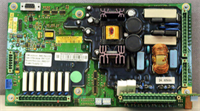
Although passive in function, the DSRF197 is subject to long-term wear due to thermal cycling, vibration, and electrical stress. The most frequent issues include: intermittent contact in the ribbon cable sockets caused by repeated module insertion/removal, corrosion on power or signal pins in humid environments, and micro-cracks in the PCB near mounting points from mechanical stress. A key vulnerability is its reliance on precise alignment with both the I/O module and the chassis backplane—any misalignment can cause partial connection, leading to sporadic communication errors that are difficult to diagnose.
Preventive maintenance should focus on visual inspection of socket integrity, checking for discoloration or arcing marks, ensuring secure mounting to the DIN rail, and verifying that redundant power feeds are balanced. During outages, it’s advisable to clean connector contacts with electronic-grade contact cleaner and test continuity across critical power and data paths. Given its role in redundancy, any suspected issue warrants immediate replacement—even if the system appears operational—since latent faults can remain hidden until the primary channel fails.
DSRF197 3BSE019297R1 ABB
Lifecycle Status and Migration Strategy
ABB has discontinued the DSRF197 as part of the broader rationalization of legacy AC 800M hardware. Official support is limited to existing installed base contracts, and no new units are produced. Continued reliance on this component introduces supply chain fragility: available stock is finite, and untested surplus units may have been stored improperly, risking early field failure.
Short-term mitigation includes sourcing only from vendors who provide full functional test reports (including dual-bus communication validation) and maintaining a minimum of two verified spares per critical system. Board-level repair is generally not feasible due to multi-layer PCB construction and lack of component-level schematics.
For long-term sustainability, ABB recommends migrating to the AC 800M PM866/PM867 platform with modern redundant I/O solutions such as the TB852 base combined with CI854A fiber-optic remote I/O or the newer TU85x terminal units. This transition preserves the application logic while replacing aging hardware with supported, cyber-secure components. While migration requires engineering effort—including I/O re-mapping and updated terminal wiring—it eliminates dependency on obsolete infrastructure and restores access to firmware updates, diagnostics, and factory-backed spare parts for the next decade.