 Tel:
Tel:  Email:
  WhatsApp:
 Description
Technical Specifications (For Spare Verification)
- Product Model: CS513
- Manufacturer: ABB
- Part Number: 3BSE000435R1
- System Family: Freelance 2000 / AC 800F Distributed Control System
- Compatible CPUs: AC 800F processors (e.g., PM 802F, PM 803F)
- Mounting Type: DIN rail-mounted base unit with integrated connector to system bus
- Power Input: Supplied via backplane from redundant power supply modules (e.g., CP511 or CS511)
- Communication Interface: Proprietary ABB fieldbus (FMS over twisted pair) and internal backplane to I/O modules
- Mechanical Dimensions: Standard Freelance module width (approx. 40 mm)
- Diagnostic Indicators: None on carrier itself; relies on CPU status LEDs
- Redundancy Support: Required for redundant controller configurations (dual CS513 units in master/standby setup)
-

CS513 3BSE000435R1
System Role and Downtime Impact
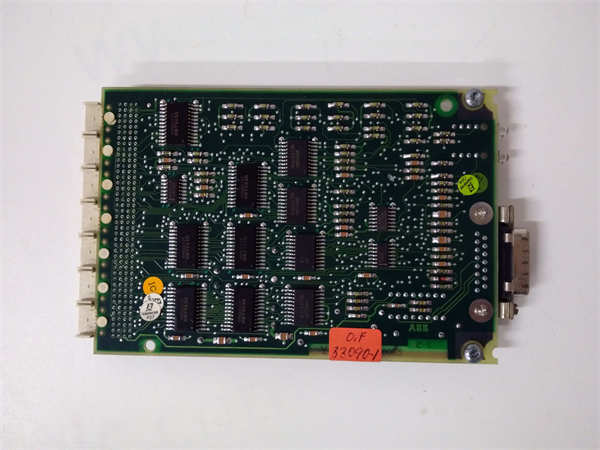
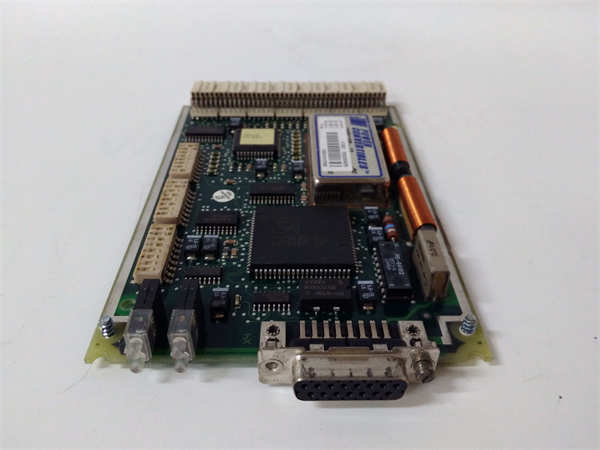
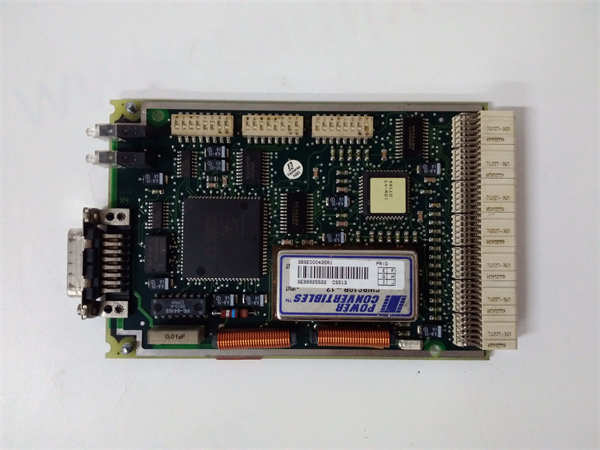
The CS513 is a passive but essential hardware interface in the ABB Freelance 2000 architecture, acting as the foundation upon which the AC 800F CPU is installed. It routes power, data, and synchronization signals between the processor and the I/O subsystem. Though it contains no active logic, its integrity is critical: any mechanical damage, cracked PCB trace, or corroded backplane contact will prevent the CPU from initializing or maintaining communication with field devices. In continuous processes—such as chemical batch reactors, boiler controls, or water treatment plants—a CS513 failure typically results in a complete loss of automated control for the associated station, forcing manual intervention or full process shutdown. Recovery is only possible through physical replacement, as the module cannot be repaired in the field. Given its unassuming appearance, it is often omitted from spares inventories until failure occurs.
Reliability Analysis and Common Failure Modes
While the CS513 lacks active components, its long-term reliability is compromised by environmental and operational stressors:
- Cracking of PCB traces due to repeated thermal cycling over 15–25 years of service, especially in high-ambient environments like boiler rooms.
- Corrosion or oxidation on the high-density edge connector that mates with the CPU and backplane, leading to intermittent communication or boot failures.
- Physical damage during maintenance, such as bent pins or fractured mounting clips caused by improper CPU insertion or removal.
A key design limitation is the absence of any self-diagnostics or redundancy at the carrier level; faults are only detected when the CPU fails to synchronize or report “Hardware Fault” in the Freelance Engineering Tool. Additionally, the module offers no protection against electrostatic discharge (ESD) during handling, increasing risk during replacements.
Preventive maintenance should include:
- Visual inspection of the PCB for hairline cracks near mounting points during scheduled outages.
- Cleaning of the CPU mating surface with contact enhancer to remove oxidation.
- Avoiding unnecessary CPU swaps to minimize mechanical wear on the connector.
- Storing spares in anti-static, dry packaging to prevent latent degradation.
-
CS513 3BSE000435R1
Lifecycle Status and Migration Strategy
ABB has officially discontinued the CS513 as part of the end-of-life plan for the Freelance 2000 platform. The company no longer manufactures, repairs, or provides technical support for this hardware. Continuing to operate with these modules carries escalating risk: verified spares are increasingly scarce, and untested units from third-party brokers may fail immediately upon installation or introduce subtle communication errors.
Short-term mitigation strategies include:
- Securing at least one tested, functional spare per critical controller.
- Engaging specialized vendors for board-level refurbishment, including conformal coating and connector reconditioning.
- Implementing enhanced monitoring of controller health (e.g., tracking sync errors or unexpected reboots) as early failure indicators.
For long-term sustainability, ABB recommends migrating to the System 800xA platform with AC 800M or AC 900F controllers. This transition requires:
- Replacement of the entire Freelance rack with modern hardware.
- Conversion of control logic from Freelance Engineering Tool (FET) to Control Builder M or PG2.
- Recommissioning of I/O and integration with existing HMI/SCADA systems.
While migration demands significant engineering investment, it restores access to cybersecurity updates, vendor support, and guaranteed spare parts availability. Facilities with extended asset life plans should initiate feasibility studies now, as lead times for full DCS modernization exceed 12–18 months. Until then, disciplined spares management and proactive condition assessment of existing CS513 modules remain vital to operational continuity.