 Tel:
Tel:  Email:
  WhatsApp:
 Description
Key Technical Specifications (For Spare Parts Verification)
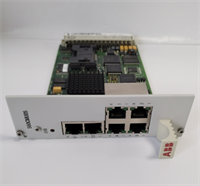
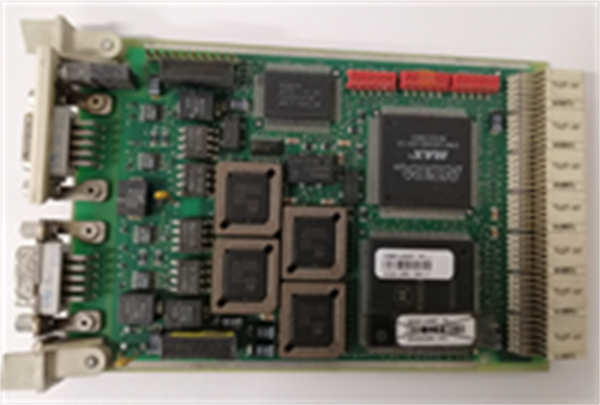
- Product Model: CI541V1
- Manufacturer: ABB
- Order Code: 3BSE014666R1
- System Platform: AC 800M (integrated in 800xA Process Automation System)
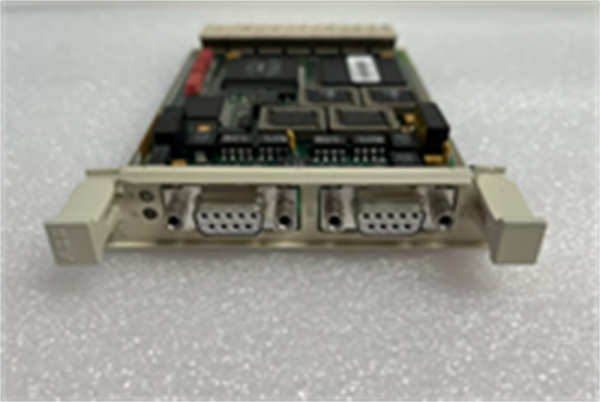
- Number of Channels: 2 independent serial ports
- Electrical Interfaces: Each channel configurable via software as RS-232 or RS-485 (half-duplex)
- Baud Rates: Up to 115.2 kbps
- Supported Protocols: Modbus RTU, Modbus ASCII, DF1, and user-defined protocols via Control Builder M
- Configuration Method: Software-based (Control Builder M); no DIP switches
- Backplane Compatibility: Requires CI854A or CI854B baseplate
- Diagnostic Indicators: Front-panel LEDs for power, transmit, and receive per channel
- Firmware Dependency: Must match AC 800M CPU firmware version (typically CBM 2.x–3.x era)
System Role and Downtime Impact
The CI541V1 typically serves as the communication bridge between an AC 800M controller and non-Ethernet field devices—such as older power meters, variable frequency drives (VFDs), barcode scanners, or third-party analyzers that only support serial protocols like Modbus RTU. In many brownfield sites, it enables integration of essential auxiliary equipment that lacks modern Ethernet interfaces.
If the CI541V1 fails, all connected serial devices become unreachable. While the core control logic may continue to run using hardwired I/O, the loss of data from meters or setpoint feedback from drives can degrade process performance or trigger alarms. In applications where serial devices are part of safety interlocks (e.g., gas analyzer status), failure could lead to a controlled shutdown. Recovery requires physical replacement and re-downloading of the communication configuration—a process that can take 30–60 minutes if backups are current and documentation is complete.
Reliability Analysis and Common Failure Modes
The CI541V1, while reliable in its time, is susceptible to several age-related failure mechanisms. The most common is damage to the RS-485 transceiver ICs due to ground loops, voltage surges, or incorrect wiring (e.g., missing bias/termination resistors). These failures often result in one or both channels becoming unresponsive, with no recovery via reset.
A key vulnerability is its dependence on precise firmware compatibility with the AC 800M CPU. If the CI541V1’s internal firmware does not align with the project version in Control Builder M, the module may fail to initialize or exhibit erratic behavior. Additionally, the DB9 connectors are prone to mechanical wear, especially in environments with frequent cable handling, leading to intermittent connections.
Recommended preventive actions include:
- Install external surge protection on all RS-485 lines, particularly those running between buildings or long distances.
- Verify communication health quarterly by polling diagnostic counters (e.g., CRC errors, timeouts) in 800xA.
- Maintain consistent firmware versions across all modules in the controller rack.
- Secure DB9 cables with strain relief to prevent connector fatigue.
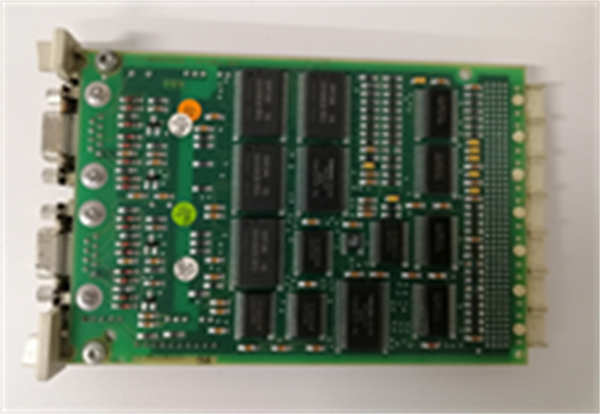
ABB CI541V1 3BSE014666R1
Lifecycle Status and Migration Strategy
ABB discontinued the CI541V1 in 2017 as part of its transition toward Ethernet-centric architectures. Continued use carries significant risk: spare parts are scarce, technical support is unavailable, and cybersecurity exposure increases due to unpatched legacy protocol stacks.
As a temporary mitigation, facilities may source tested NOS units from certified resellers, but each must undergo full functional validation—including protocol and baud rate testing—before deployment.
ABB’s recommended migration path is to replace the CI541V1 with the CI544V1 (order code 3BSE022466R1), a newer serial module that offers enhanced diagnostics, better noise immunity, and extended support. However, note that the CI544V1 requires Control Builder M version 4.x or later and may need minor project updates.
Alternatively, for systems moving toward Ethernet, protocol gateways (e.g., HMS Anybus, Red Lion DA10D) can convert Modbus RTU devices to Modbus TCP, allowing them to connect directly to the AC 800M’s built-in Ethernet port—eliminating the need for dedicated serial modules altogether. This approach reduces hardware dependency and simplifies network architecture, making it a cost-effective strategy for sites with multiple legacy serial devices.