 Tel:
Tel:  Email:
  WhatsApp:
 Description
Key Technical Specifications (For Spare Parts Verification)
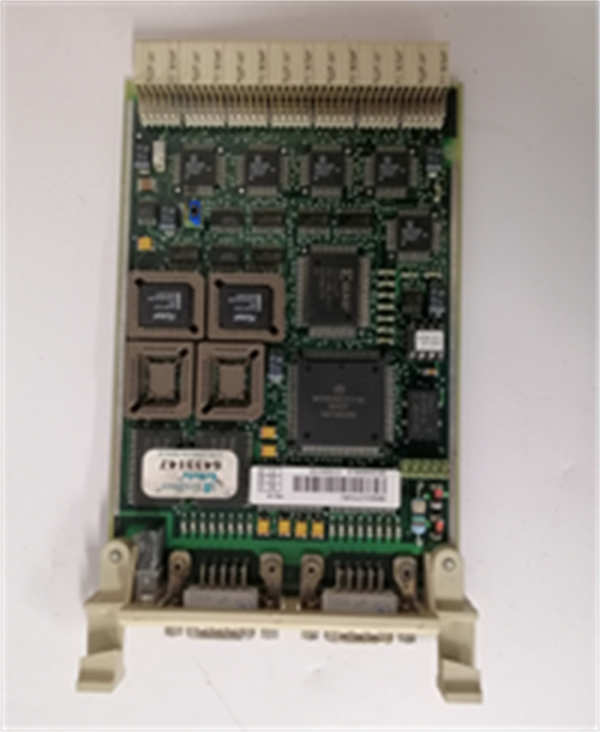
- Product Model: CI534V02 3BSE010700R1
- Manufacturer: ABB
- System Platform: ABB AC 800M (part of System 800xA architecture)
- Communication Protocol: PROFIBUS DP and DP-V1 (Class 1 & 2)
- Supported Roles: Master (for remote I/O, drives) or Slave (for higher-level integration)
- Transmission Rate: 9.6 kbps to 12 Mbps (auto-baud or configurable)
- Max. Connected Slaves: Up to 126 (system-dependent)
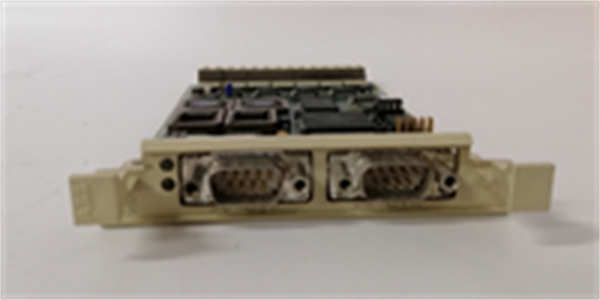
- Electrical Interface: RS-485 via 9-pin D-sub connector (isolated, up to 500 VAC)
- Backplane Connection: Mounts in AC 800M I/O rack with direct bus access
- Diagnostic Features: LED indicators for PWR, RUN, COMM, and BF (bus fault); module status readable via Control Builder M
- Firmware Dependency: Requires specific firmware version in AC 800M CPU (e.g., PM86x series with software ≥5.0/1)
System Role and Downtime Impact
The CI534V02 is a critical communication enabler in AC 800M-based automation systems that rely on PROFIBUS for cost-effective field device integration. It typically connects dozens of remote I/O stations, variable frequency drives (e.g., ABB ACS800), or smart valve positioners across a plant area. Because these devices often handle essential functions—such as motor control, flow regulation, or safety interlocks—a failure of the CI534V02 results in complete loss of communication with the entire PROFIBUS segment. In continuous processes like pulp & paper lines, water pumping stations, or chemical batch reactors, this can trigger cascading alarms, force manual operation, or initiate emergency shutdowns. Given that many such systems operate beyond their original lifecycle, the unavailability of this module directly threatens operational resilience.
Reliability Analysis and Common Failure Modes
Although solid-state, the CI534V02 is vulnerable to several failure mechanisms common in industrial networks. The most frequent issue is damage to the RS-485 transceiver circuitry due to ground potential differences, lightning-induced surges, or improper shielding—leading to intermittent communication or permanent bus-off state. Electrolytic capacitors on the internal power supply degrade over time, especially in high-temperature cabinets, causing voltage instability and module resets. The D-sub connector pins can corrode or bend, resulting in poor contact and signal reflection. Additionally, mismatched termination resistors or excessive cable length in the field network can stress the module’s driver circuitry, accelerating wear.
Preventive maintenance should include periodic inspection of the PROFIBUS cable shield grounding, verification of bus termination (120 Ω at both ends), and monitoring of bus error counters via Control Builder M. Thermal imaging can reveal overheating near the communication ICs. Since the module stores no user data, failures are typically hardware-related and irreversible without board-level repair.
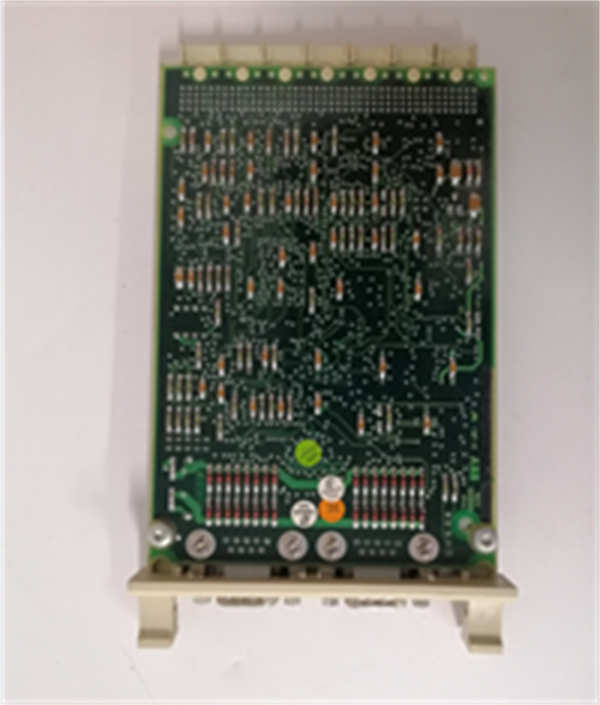
ABB CI534V02 3BSE010700R1
Lifecycle Status and Migration Strategy
ABB has formally obsoleted the CI534V02 3BSE010700R1 as part of its transition away from legacy fieldbuses toward Ethernet-based protocols. No factory-new units are available, and ABB no longer provides repair services or firmware updates. Continued reliance on this module poses significant risk due to dwindling spares, escalating costs, and potential incompatibility with newer PROFIBUS devices.
Short-term mitigation includes sourcing tested units from specialized vendors, implementing redundant CI534 modules where possible (via dual PROFIBUS segments), or using external PROFIBUS repeaters to isolate faults. However, these do not address long-term obsolescence.
ABB’s recommended migration path is to replace PROFIBUS infrastructure with PROFINET using the CI854 (3BSE020884R1) or CI874 (3BSE022522R1) communication modules for AC 800M. This transition requires:
- Replacing field devices with PROFINET-enabled versions (or using protocol gateways)
- Updating network topology to switched Ethernet
- Reconfiguring I/O mapping in Control Builder M
- Recommissioning communication diagnostics
For sites retaining PROFIBUS due to legacy device investments, an alternative is to deploy a PROFINET-to-PROFIBUS gateway (e.g., Hilscher NT 100-DPV1) connected to a modern CI854 module, effectively isolating the obsolete CI534 function. While this adds a layer of complexity, it allows gradual device replacement without full system overhaul.
For facilities unable to migrate immediately, maintaining at least two fully tested CI534V02 modules—with verified communication at multiple baud rates and confirmed diagnostic visibility in Control Builder—is the only practical contingency to ensure rapid recovery during network failures.