 Tel:
Tel:  Email:
  WhatsApp:
 Description
Key Technical Specifications (For Spare Parts Verification)
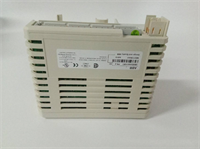
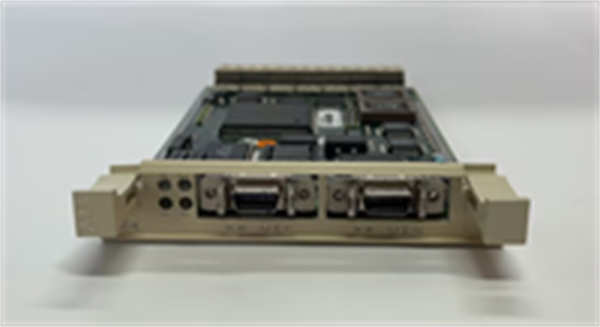
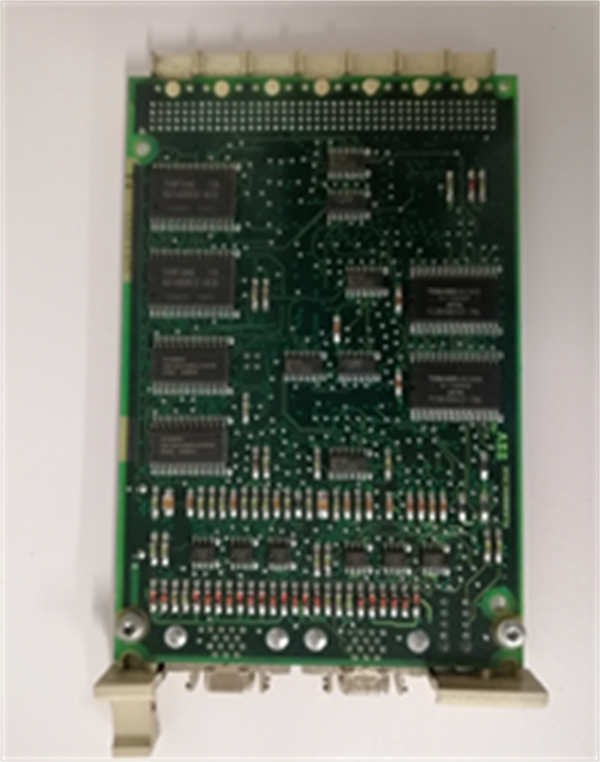
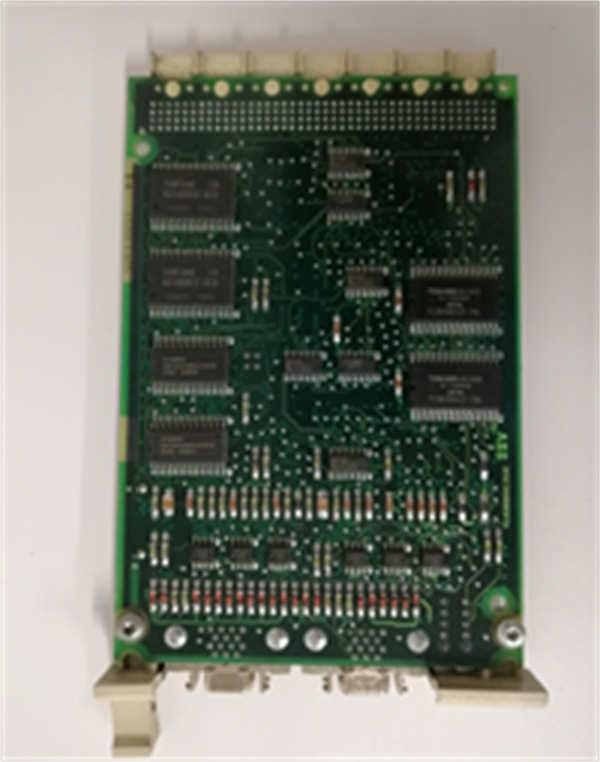
- Product Model: CI522A
- Order Number: 3BSE018283R1
- Manufacturer: ABB
- System Compatibility: Advant Controller 400 (AC 400), early Industrial IT 800xA (versions prior to 5.1)
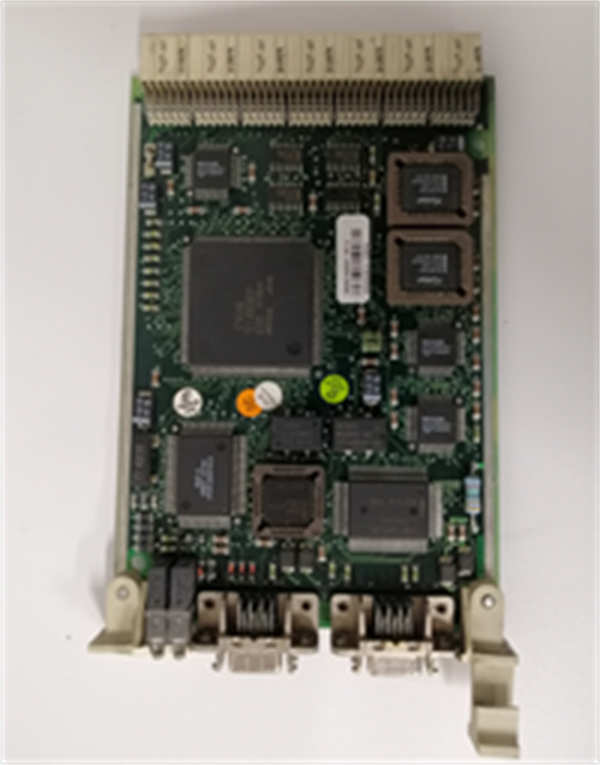
- Module Type: Plug-in communication interface card
- Channels: 2 independent serial ports
- Electrical Interfaces: Software-selectable per channel—RS-232 (V.24) or RS-485 (2-wire or 4-wire)
- Data Rate: Up to 115.2 kbps
- Supported Protocols: Modbus RTU, Allen-Bradley DF1, Siemens 3964R, and user-defined ASCII protocols
- Power Supply: +5 VDC via backplane (no external power required)
- Mounting: Standard slot in AC 400 I/O chassis or 800xA connectivity server rack
- Status Indicators: Per-channel LEDs for Transmit (TX), Receive (RX), and Fault
System Role and Downtime Impact
The CI522A typically serves as the communication bridge between the central ABB control system and essential non-ABB field devices in continuous-process industries—such as refineries, chemical plants, or power stations. For example, it may connect a custody-transfer flow computer or a stack emissions analyzer to the 800xA historian. If the CI522A fails, this data stream is interrupted. While the main process may continue running, the loss of verified measurement data can trigger regulatory reporting violations, disable advanced process control loops, or force operators into manual mode with reduced situational awareness. In safety-instrumented contexts, missing analyzer data may also inhibit automatic shutdown sequences. Because these interfaces are often non-redundant in legacy configurations, recovery depends entirely on spare availability, potentially extending downtime beyond operational tolerance thresholds.
Reliability Analysis and Common Failure Modes
The CI522A is generally reliable but exhibits predictable aging vulnerabilities. The most frequent failure mode is degradation of the RS-485 transceiver ICs, often accelerated by ground loops, long cable runs, or repeated exposure to electrical transients from nearby motor starters. This leads to intermittent communication errors, CRC mismatches, or complete port lockup.
Internally, electrolytic capacitors on the local voltage regulator circuit can dry out after 10–15 years, causing voltage droop under load and resulting in spontaneous module resets or data corruption. The optocouplers used for signal isolation may also experience reduced CTR (current transfer ratio) over time, increasing susceptibility to noise-induced false triggering.
Maintenance best practices include: verifying proper grounding of field device shields at a single point, inspecting terminal blocks for corrosion, monitoring error counters in the control application logic, and conducting annual functional tests using loopback adapters or simulated device traffic. Any unit showing erratic TX/RX LED behavior or unexplained communication timeouts should be replaced proactively. Spares should be stored in anti-static, low-humidity environments and powered periodically to maintain capacitor health.
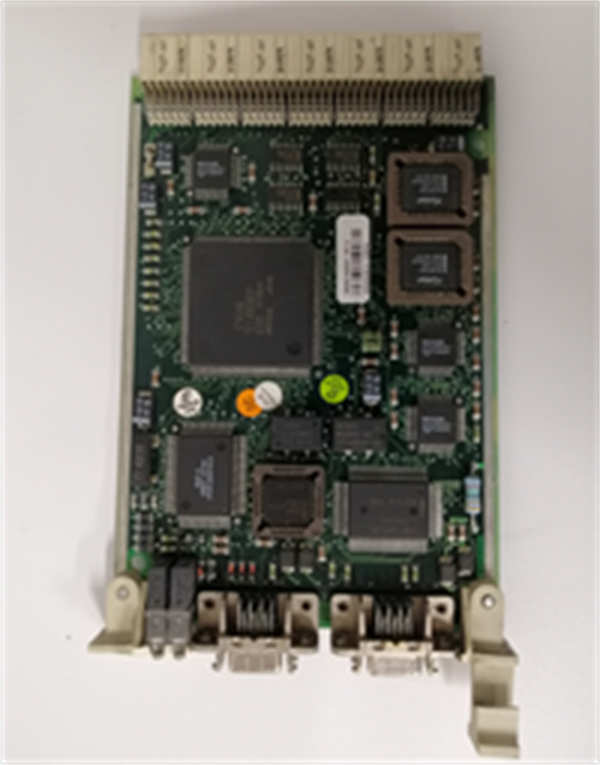
ABB CI522A 3BSE018283R1
Lifecycle Status and Migration Strategy
ABB no longer provides technical support, firmware updates, or replacement units for the CI522A. Its use in new projects is prohibited, and continued operation in existing systems carries growing risk—particularly regarding cybersecurity (no secure boot, no encrypted communication) and integration with modern asset performance management tools.
As an interim measure, facilities may deploy external protocol converters (e.g., Modbus TCP to RTU gateways) connected via Ethernet to the 800xA system. However, this introduces additional failure points and complicates network architecture.
The recommended long-term solution is migration to the ABB CI590 serial communication module, which is compatible with the AC 800M controller in current 800xA systems. The CI590 offers enhanced diagnostics, higher data rates, and native integration with 800xA’s asset structure. Migration requires reconfiguration of communication parameters and possible rewiring due to different terminal layouts, but retains similar form factor and functionality. For broader modernization efforts, replacing legacy serial devices with PROFINET- or HART-over-Ethernet-enabled instruments eliminates the need for serial gateways altogether. ABB and certified system integrators offer engineering services to assess legacy communication networks and develop phased, risk-managed migration roadmaps.