 Tel:
Tel:  Email:
  WhatsApp:
 Description
Technical Specifications (For Spare Parts Verification)
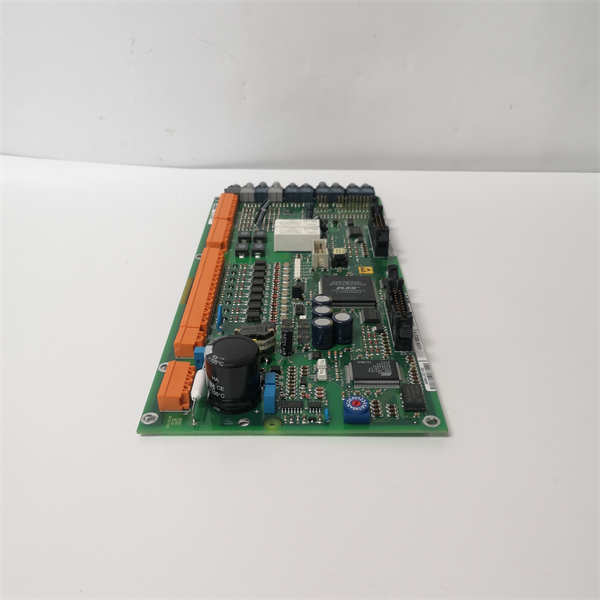
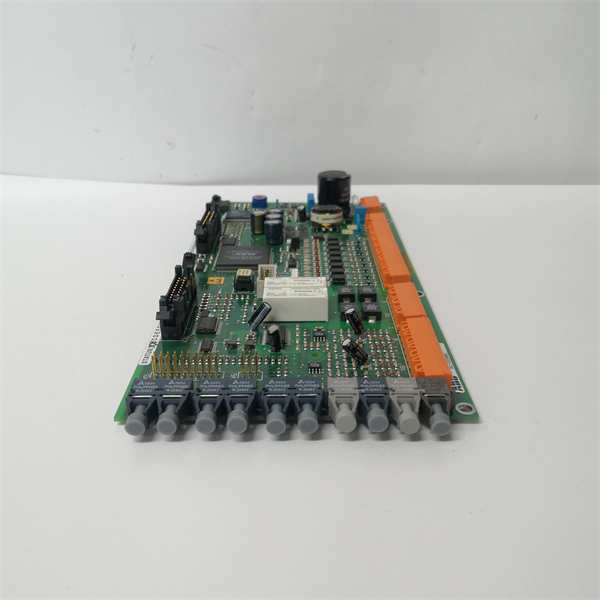
- Model: AC389AE01 / HIEE300888R0001
- Manufacturer: ABB
- System Family: AC 800M Automation System (integrated within System 800xA)
- Module Type: Controller base unit for PM851, PM856, and early PM86x CPUs
- Backplane Interface: Proprietary parallel bus for high-speed data exchange with I/O modules via CI8xx communication interfaces
- Power Input: +24 VDC supplied through redundant SA811 or SA812 power supply modules
- Mechanical Format: 19-inch rack mountable, occupies 7 module slots in an AC 800M chassis
- Diagnostic Features: Integrated status LEDs for power, module presence, and system error indication
- Redundancy Support: Enables hot-standby CPU redundancy when used in dual-controller configuration
- Physical Dimensions: Standard AC 800M form factor (approximately 230 mm height, 280 mm depth)
- Compatibility Note: Designed for earlier firmware revisions of PM8xx CPUs; may not support latest features without hardware upgrade
System Role and Downtime Impact
The ABB AC389AE01 (HIEE300888R0001) serves as the structural and electrical backbone of the AC 800M controller. While it contains no processing logic, it enables the CPU, communication modules, and power interfaces to function as a cohesive control unit. In applications such as thermal power plant boiler controls, water/wastewater treatment, or mining process automation, this base unit is integral to the central control node.
If the base unit fails—due to damaged backplane contacts, internal trace fractures, or power distribution faults—the CPU loses communication with both local and remote I/O networks (e.g., Profibus DP, Modbus, or S800 I/O over AC 800M’s native bus). This results in immediate suspension of control logic execution. In non-redundant systems, this causes full process shutdown. Even in redundant configurations, a base unit fault can trigger an unplanned switchover that may destabilize tightly controlled loops or safety-critical sequences.
Reliability Analysis and Common Failure Modes
Although the AC389AE01 is a passive carrier, its role in high-density signal routing makes it vulnerable to long-term environmental and mechanical stress.
Common failure modes include:
- Oxidation or fretting corrosion on the edge connector fingers, leading to intermittent communication or “module not recognized” errors.
- PCB delamination or micro-cracks in power traces caused by repeated thermal cycling or vibration from nearby equipment.
- Warping of the plastic housing or guide rails due to prolonged exposure to elevated temperatures, preventing proper module seating.
- Loose or degraded connections to the power supply backplane, causing voltage sags during peak CPU activity.
Design limitations include minimal tolerance for mechanical misalignment—any chassis distortion can compromise electrical contact integrity. Additionally, the unit provides only basic visual diagnostics; most faults manifest indirectly through controller-level alarms.
Preventive maintenance recommendations:
- Inspect backplane connectors annually for discoloration, debris, or bent pins using magnification tools.
- Verify chassis rigidity and rail alignment during scheduled outages.
- Monitor system logs for recurring “I/O scan timeout” or “communication fault” events that may indicate marginal connectivity.
- Store spare units in anti-static, climate-controlled packaging to prevent latent damage from humidity or electrostatic discharge.
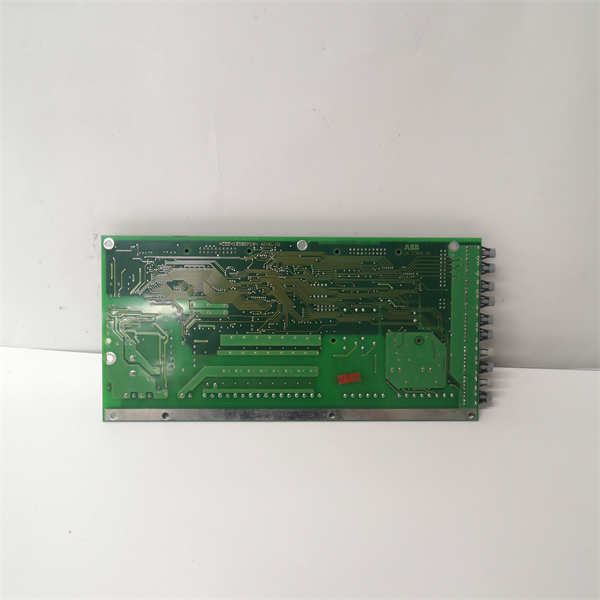
ABB AC389AE01 HIEE300888R0001
Lifecycle Status and Migration Strategy
ABB has discontinued the AC389AE01 and transitioned support to updated AC 800M hardware platforms featuring enhanced reliability and cybersecurity. While the AC 800M architecture remains supported, this specific base unit is no longer available as new from ABB or authorized distributors. Continued reliance on it depends entirely on secondary-market availability, which carries risks of counterfeit components, unknown operational history, or degraded internal materials.
As an interim measure, facilities can:
- Procure tested-and-verified spares from ABB-certified industrial surplus vendors with functional validation reports.
- Implement a preventive replacement program for units installed before 2010.
- Ensure full controller redundancy to tolerate single-point hardware failures during critical operations.
For long-term sustainability, ABB recommends migrating to the current AC 800M generation, such as controllers based on the PM866AK01 or PM867B CPUs, which require the newer AC390AE01 base unit. This migration typically involves:
- Replacing the controller base and CPU module.
- Upgrading System 800xA engineering and runtime software to a compatible version (e.g., 6.0 or later).
- Retaining existing I/O modules, field wiring, and communication interfaces where possible.
- Recompiling and re-downloading control applications using Control Builder M without major logic redesign.
This path restores access to security patches, technical support, and modern integration capabilities—including OPC UA, MQTT, and enterprise asset management systems. A phased migration approach, beginning with non-critical control loops, allows organizations to manage risk, cost, and operational continuity while modernizing their automation infrastructure.