 Tel:
Tel:  Email:
  WhatsApp:
 Description
Technical Specifications (For Spare Parts Verification)
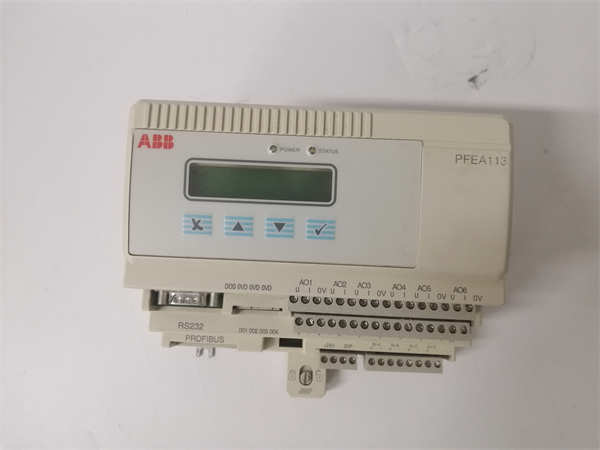
- ABB Part Number: 3BSE028144R0020
- Module Type: PFEA113-20
- Output Power: 20 W
- Input Voltage: 85–264 VAC (47–63 Hz) or 100–370 VDC (universal input)
- Output Voltage: +24 VDC ±3%
- Max Output Current: ~0.83 A continuous
- Redundancy: Supports parallel operation with a second PFEA113-20 via PFSK101 redundancy kit (diode-or’ing)
- Mounting: DIN rail or chassis-mounted in AC 800M controller rack (e.g., PM86x series)
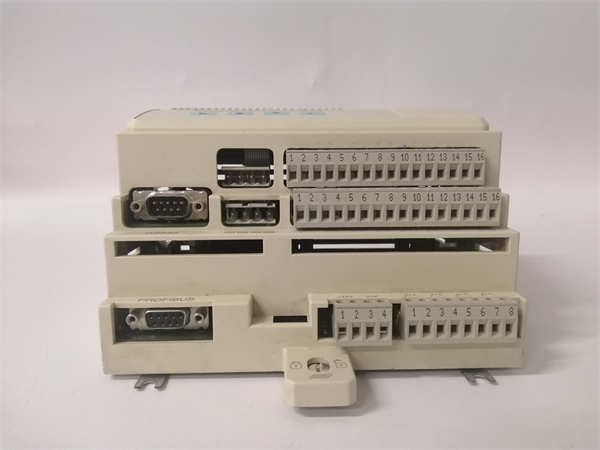
- Connectors:
- Spring-cage terminals for input power and ground
- Backplane connector for DC output to system bus
- Diagnostics: LED indicators for POWER OK, FAULT, and REDUNDANCY STATUS
- Protections: Over-voltage, over-current, short-circuit, and thermal shutdown
- Certifications: CE, UL, CSA, ATEX (for hazardous areas, depending on variant)
- Operating Temp: 0°C to +60°C (derated above 50°C)
-

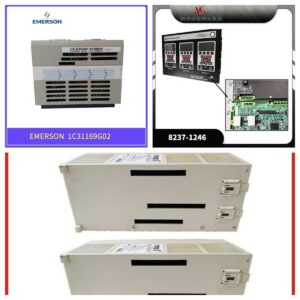
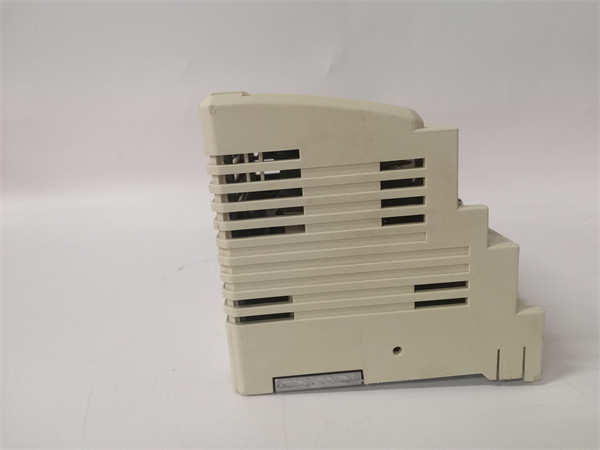
3BSE028144R0020 PFEA113-20
System Role and Downtime Impact
The PFEA113-20 powers the core of an ABB AC 800M controller—typically used in critical applications like boiler control, compressor sequencing, or turbine protection within oil & gas, power generation, and chemical plants.
In a redundant configuration (dual PSUs + PFSK101), loss of one unit triggers a “PSU FAULT” alarm but maintains operation. However, in non-redundant installations (common in smaller skids), a single PFEA113-20 failure results in:
- Immediate loss of CPU execution
- All digital/analog I/O going to safe state
- Communication drop with operator stations (System 800xA)
- Potential process shutdown or safety system activation
Recovery requires physical replacement and system reboot—often taking 1–4 hours, depending on access and validation requirements.
Reliability Analysis and Common Failure Modes
While robustly designed, aging PFEA113-20 units (many installed 2010–2018) are now susceptible to component wear:
Common Failure Modes:
- Electrolytic capacitor drying: Causes output ripple increase (>200 mVpp), leading to CPU resets or brownouts
- Thermal stress on switching components: Especially in cabinets with poor airflow or high ambient temperatures
- Input surge damage: From lightning or grid transients, damaging MOVs or rectifier bridges
- Terminal block loosening: Vibration over time increases contact resistance, causing overheating
Design Strengths:
- Wide universal input range
- Built-in redundancy support
- Comprehensive self-diagnostics
Preventive Maintenance Recommendations:
- Measure output voltage and ripple during routine PMs
- Tighten input/output terminals per torque specs
- Ensure cabinet temperature stays < 50°C at module level
- Use external UPS or line conditioners in unstable power environments
-
3BSE028144R0020 PFEA113-20
Lifecycle Status and Migration Strategy
ABB has shifted focus to the AC 800M High Performance series and Ability™ System 800xA enhancements, with newer power supplies like PFEA114 offering higher efficiency and digital health monitoring. While the PFEA113-20 is not officially “end-of-life” in all regions, new production is limited, and lead times can exceed 6 months.
Short-Term Mitigation:
- Secure 2–3 verified spares with matching firmware/hardware revision
- Implement redundant power if not already deployed
- Monitor PSU health via System 800xA diagnostic logs
Long-Term Path:
- Migrate to AC 800M HP controllers with PFEA114/115 power supplies
- Leverage ABB’s Controller Replacement Service for seamless logic transfer
- Consider virtualization or edge-compute upgrades for legacy control logic