 Tel:
Tel:  Email:
  WhatsApp:
 Description
Key Technical Specifications (For Spare Part Verification)
- Product Model: PPD115A102
- Manufacturer: ABB
- System Family: AC 800M (part of System 800xA architecture)
- Input Voltage: 24 VDC (nominal), typically 19.2–30 VDC range
- Output Voltages: +5 VDC (primary logic rail), ±15 VDC (for analog I/O modules)
- Max Output Current: ~10 A on +5 VDC (system-dependent)
- Redundancy Support: Yes – can be used in parallel with another PPD115A102 for N+1 redundancy via diode-oring
- Diagnostic Features: LED indicators for POWER OK, FUSE FAIL, and REDUNDANCY STATUS
- Mounting: DIN rail or rack-mounted with compatible baseplate in AC 800M cabinet
- Cooling: Convection-cooled (no fan)
- Operating Temperature: 0°C to +60°C
System Role and Downtime Impact
The PPD115A102 is a critical infrastructure component in ABB AC 800M-based control systems, commonly deployed in power generation, water treatment, mining, and process industries. It converts plant 24 VDC into the precise voltage rails required by CPUs (e.g., PM86x), I/O modules (e.g., AI810, DI810), and communication interfaces. In non-redundant configurations—still common in smaller installations—a single PPD115A102 failure immediately cuts power to all downstream modules, causing complete loss of automated control for that station. Even in redundant setups, a failed unit increases load on the backup, reduces system resilience, and may trigger alarms requiring immediate intervention. Unplanned outages due to power faults often result in production stoppages, safety system degradation, or regulatory reporting events.
Reliability Analysis and Common Failure Modes
Despite robust initial design, the PPD115A102 is increasingly vulnerable due to aging components. The most frequent failure modes include:
- Electrolytic capacitor drying: Leads to output ripple, voltage droop under load, or complete shutdown.
- Diode or MOSFET degradation in redundancy circuit: Causes improper load sharing or backfeed, risking cascading failure.
- Input fuse fatigue or corrosion: Especially in high-vibration environments, leading to open-circuit conditions.
- Thermal stress on PCB traces: Repeated heating/cooling cycles crack solder joints near high-current paths.
A key weakness is that while the module reports general “POWER OK” status, it lacks granular diagnostics (e.g., per-rail voltage monitoring). Technicians often cannot detect early degradation until partial failure occurs. Preventive maintenance should include:
- Annual infrared thermography to detect hot spots during operation
- Measuring output voltages under full load using calibrated multimeters
- Verifying redundancy functionality by simulating a primary unit disconnect
- Inspecting terminal tightness and signs of oxidation on input/output terminals
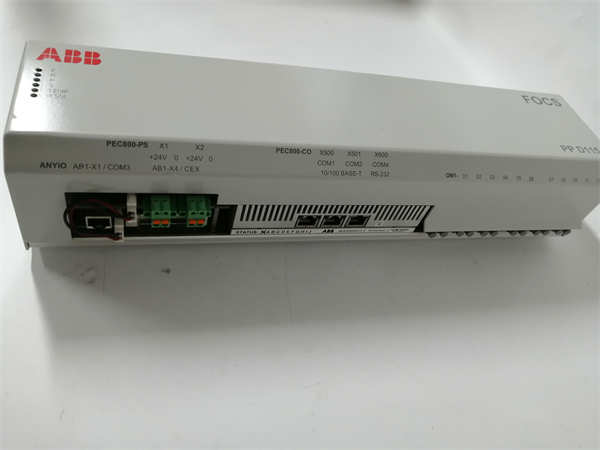
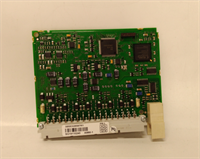
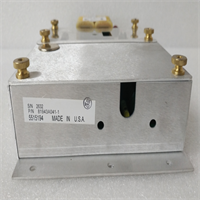
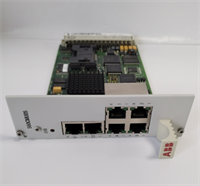
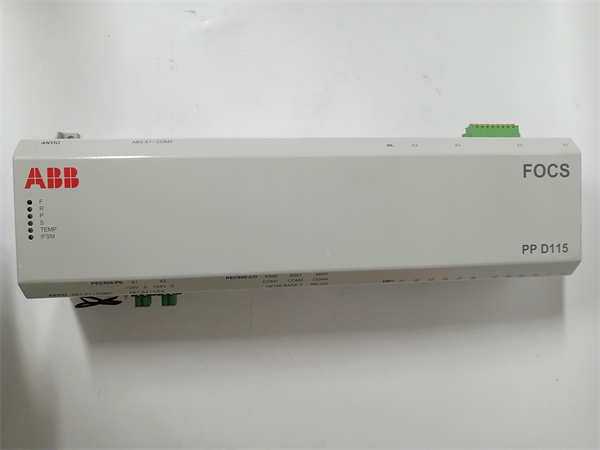
ABB 3BHE017628R0102 PPD115A102
Lifecycle Status and Migration Strategy
ABB has officially discontinued the PPD115A102 and marked it as obsolete. It is no longer listed in current catalogs, and factory repair services have been phased out. Remaining inventory exists only through brokers or decommissioned sites—often without test reports or traceability. Continued reliance introduces significant operational risk, particularly in unattended or safety-critical applications.
As an interim measure, operators may:
- Stock tested spares from verified sources
- Implement external redundant 24 VDC feeding to reduce stress
- Engage certified third parties for capacitor rework or board-level refurbishment
However, these are short-term fixes.
ABB’s recommended long-term solution is migration to active AC 800M power supplies such as the PPD115B102 (successor model) or PPD113B101 (for lower-power racks), which offer improved efficiency, better thermal performance, and extended lifecycle support. This upgrade typically requires minimal rewiring and is backward-compatible with existing baseplates and I/O. For facilities planning broader modernization, transitioning to the latest AC 800M High Performance platform ensures access to cybersecurity updates, remote diagnostics, and at least 10+ years of product support. Early planning—including spare audits and redundancy validation—is essential to avoid unplanned downtime.