
 Tel:
Tel:  Email:
  WhatsApp:
 Description
Key Technical Specifications (For Spare Parts Verification)
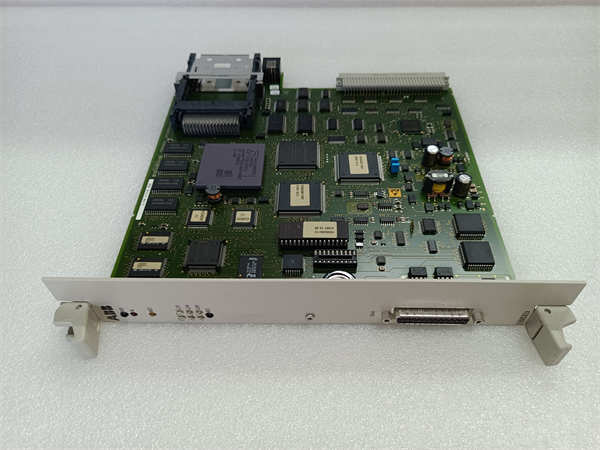
- Product Model: 216VC62a
- Manufacturer: ABB
- System Family: AC 800M programmable automation controller (part of ABB’s 800xA distributed control system)
- Output Channels: 8 isolated analog outputs
- Output Types: Configurable per channel as 0–10 V, ±10 V, 0–20 mA, or 4–20 mA
- Load Capability: Typically up to 500 Ω for current outputs
- Accuracy: ±0.1% of full scale (typical for this generation)
- Update Rate: ~10 ms per module (system-dependent)
- Redundancy Support: Compatible with redundant AC 800M CPU and I/O configurations
- Mounting: DIN rail in S800 I/O station
- Communication: Via PROFIBUS DP or native AC 800M backplane (depending on terminal base)
- Diagnostic Features: Channel-level open-wire detection (for current mode), module status LED
System Role and Downtime Impact
The 216VC62a is deployed in critical process industries—such as oil & gas, chemicals, and power generation—as the final control element interface between the AC 800M logic solver and field devices. It converts digital setpoints into precise analog signals that drive control valves, variable-frequency drives, or damper actuators. Loss of output functionality can result in uncontrolled process variables (e.g., pressure, flow, temperature), potentially triggering safety interlocks or requiring manual intervention. In redundant configurations, a single module failure may not cause immediate shutdown but degrades system resilience and complicates maintenance during outages.
Reliability Analysis and Common Failure Modes
Although built to industrial standards, this module is susceptible to several age-related issues:
- Drift in digital-to-analog converter (DAC) reference circuits, causing output offset errors
- Failure of output driver op-amps due to sustained overloads or short circuits in field wiring
- Degradation of isolation barriers from repeated electrical transients, leading to ground loops or noise coupling
- Corrosion on terminal blocks or backplane connectors in humid or corrosive environments
A key vulnerability is the lack of real-time per-channel health feedback beyond basic open-circuit detection—subtle degradation (e.g., 2% gain error) may go unnoticed until process performance deteriorates. Additionally, the module’s reliance on external terminal bases (e.g., TB820/TB840) introduces another point of failure through loose connections or base PCB aging.
Preventive maintenance should include: periodic loop calibration using a precision calibrator, visual inspection for discoloration or burnt components, verifying redundancy switchover functionality, and ensuring proper shielding and grounding of field cables.
Preventive maintenance should include: periodic loop calibration using a precision calibrator, visual inspection for discoloration or burnt components, verifying redundancy switchover functionality, and ensuring proper shielding and grounding of field cables.
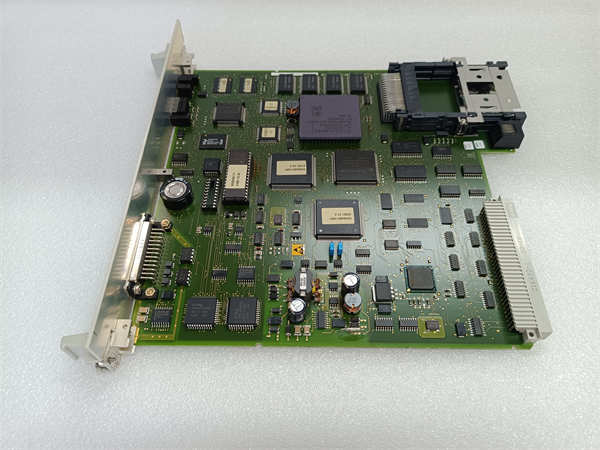
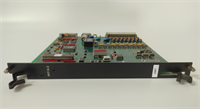
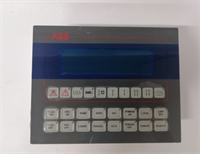
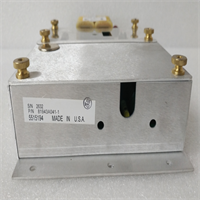
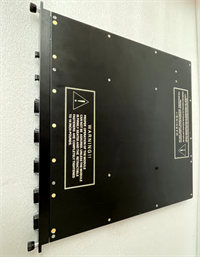
ABB 216VC62a
Lifecycle Status and Migration Strategy
ABB has discontinued the 216VC62a as part of the evolution toward the AC 800M High Performance I/O and Ability™-enabled 800xA platforms. While some distributors may list “new” units, these are typically old stock with uncertain shelf life. Official firmware and hardware support are restricted to legacy service agreements.
Temporary mitigation measures include:
Temporary mitigation measures include:
- Sourcing tested units from certified obsolete electronics suppliers
- Implementing cross-calibration with backup modules to detect drift early
- Using external signal conditioners as a buffer to protect the module from field faults
For long-term sustainability, ABB recommends migrating to the AI810 / AO810 series (S800 I/O) or newer S900 I/O modules, which offer higher density, improved diagnostics, and better integration with modern 800xA features. However, such upgrades require I/O re-engineering, re-commissioning, and potential changes to marshalling cabinets. Until a full migration is feasible, maintaining a calibrated spare inventory and enforcing strict change management during replacements are essential to ensure operational continuity.