 Tel:
Tel:  Email:
  WhatsApp:
 Description
Key Technical Specifications (For Spare Parts Verification)
- ABB Series: Likely part of the A or AF low-voltage contactor family (predecessor to modern ABB AFxx series)
- Poles: 3 main power poles + typically 1 NO (normally open) and 1 NC (normally closed) auxiliary contact
- Rated Operational Voltage (Ue): Commonly 230 VAC, 400 VAC, or 690 VAC (depends on coil variant)
- Insulation Voltage (Ui): 690 V
- Thermal Current (Ith): ~25–32 A (suggests ~7.5–11 kW motor at 400 V, 50 Hz)
- Coil Voltage: Often 230 VAC or 24 VDC (coil code must match application—check suffix if available)
- Mechanical Life: ~10 million operations
- Electrical Life: ~1 million operations (at rated load)
- Mounting: DIN rail or panel mount (35 mm standard DIN rail compatible)
- Standards Compliance: IEC 60947-4-1, CE marked
System Role and Downtime Impact
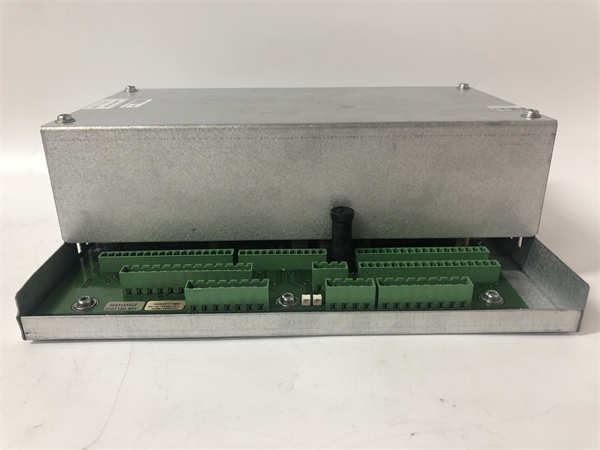
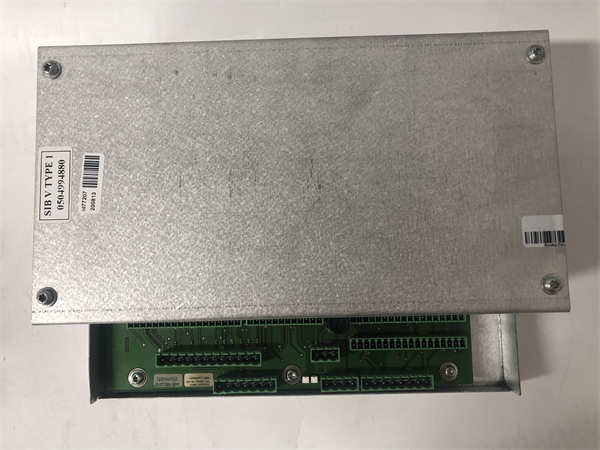
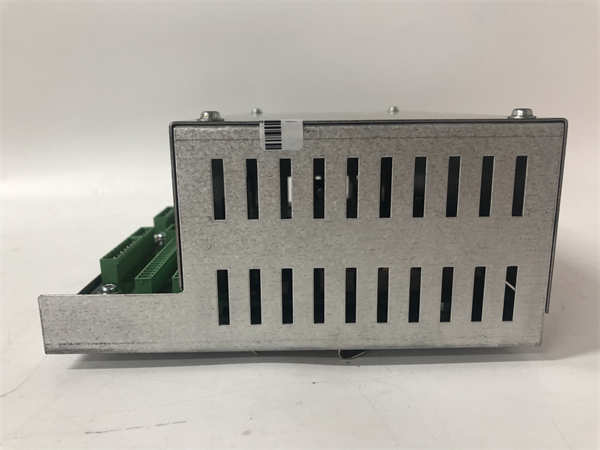
The ABB 0504994880 is a foundational component in motor control centers (MCCs), HVAC systems, pump panels, and conveyor drives. It enables programmable logic controllers (PLCs) or manual pushbuttons to safely energize high-power circuits. In safety-critical or continuous-process applications (e.g., cooling water pumps, compressor trains), contactor failure can lead to:
- Failure to start: Open coil or mechanical jam prevents operation → production stoppage
- Welded contacts: Contacts fuse shut due to arcing or overload → motor cannot be stopped → safety hazard or equipment damage
- Auxiliary contact failure: Disrupts feedback to control system → false status indication or interlock bypass
Unlike solid-state devices, electromechanical contactors provide galvanic isolation and fail-safe behavior when properly maintained—but they wear out with use.
Reliability Analysis and Common Failure Modes
Despite robust design, units in service for 15+ years are prone to:
- Contact erosion/welding: Caused by frequent switching of inductive loads (motors) without proper arc suppression
- Coil burnout: Due to voltage spikes, moisture ingress, or sustained overvoltage
- Spring fatigue: Leads to slow opening/closing, increasing arcing time
- Dust/oil contamination: Impairs moving parts and promotes tracking across terminals
- Loose terminal connections: Result in overheating and insulation degradation
Preventive maintenance recommendations:
- Perform visual inspection for pitting, discoloration, or carbon tracking
- Measure coil resistance to detect open/short windings
- Verify auxiliary contact continuity with multimeter during functional tests
- Tighten power and control terminals per torque specs during outages
- Replace proactively after 500,000+ operations or 10+ years in harsh environments
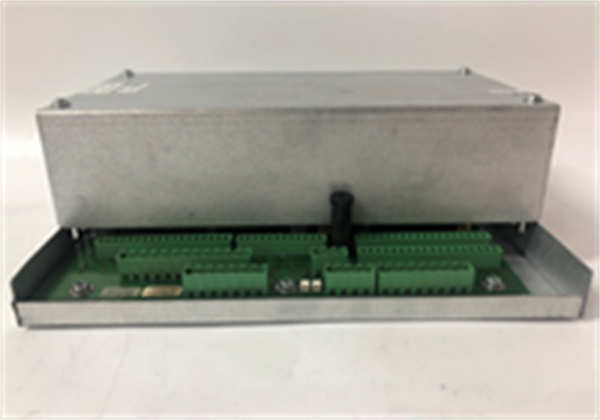
0504994880 ABB
Lifecycle Status and Migration Strategy
ABB has superseded older contactor families (like those using P/N 0504994880) with the AF series (e.g., AF30-30-11) featuring:
- Bidirectional coil compatibility (AC/DC)
- Integrated surge suppressors
- Improved arc chambers
- Global harmonization (replacing regional variants)
Direct replacement path:
- Cross-reference using ABB’s official obsolescence notice or product selector tools
- Most likely modern equivalent: ABB AF30-30-11 (30 A, 3 NO + 1 NO/1 NC aux, 230 VAC coil) — verify exact coil voltage and aux configuration
Migration considerations:
- Modern AF contactors are mechanically and electrically compatible with legacy DIN rail layouts
- Terminal spacing and mounting footprint are generally preserved
- Always confirm coil voltage matches control circuit (e.g., 24 VDC vs. 230 VAC)
- Update schematics and spare parts lists to reflect new part numbers
If immediate replacement isn’t feasible:
- Stock one or two verified-good spares from reputable surplus vendors
- Implement thermal imaging scans during operation to detect abnormal heating
- Consider adding external monitoring (e.g., contactor status sensors) to detect failure precursors