 Tel:
Tel:  Email:
  WhatsApp:
 Description
Key Technical Specifications (For Spare Verification)
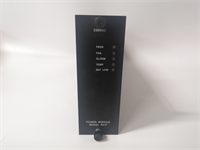
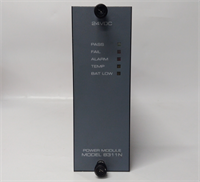
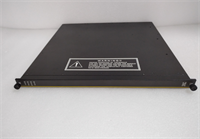
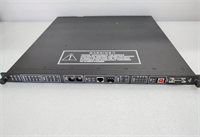
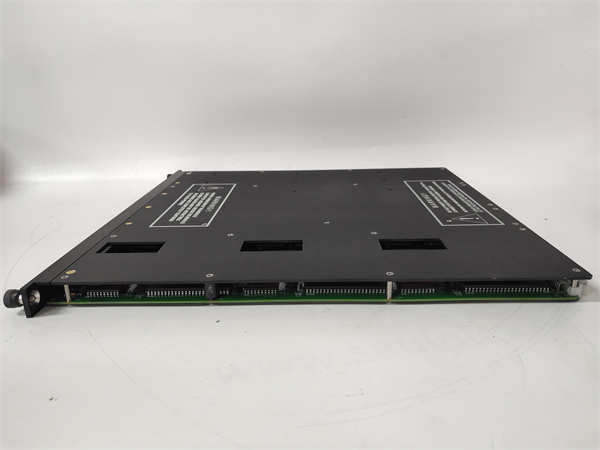
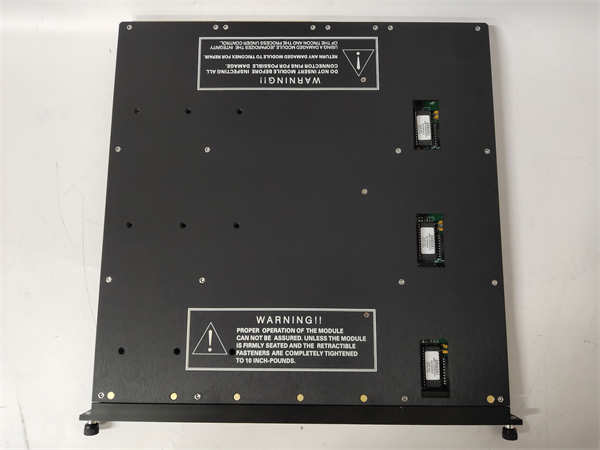
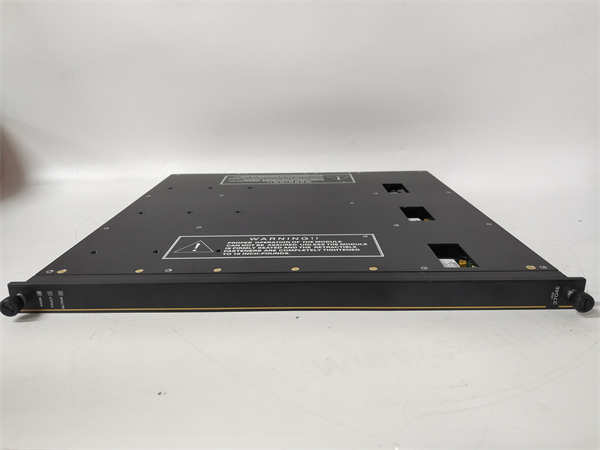
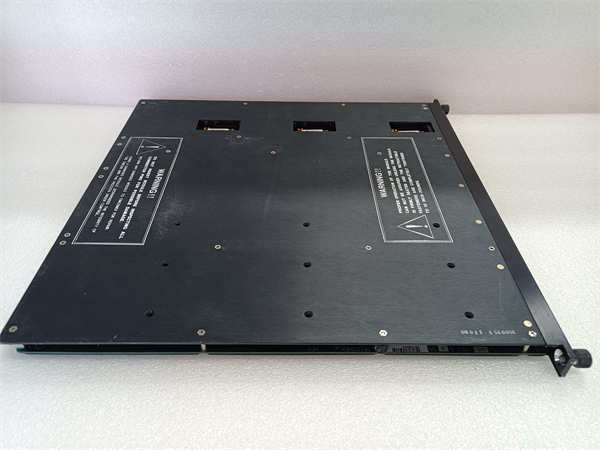
- Product Model: 3704E
- Manufacturer: TRICONEX / Schneider Electric
- System Family: Tricon (Classic v9/v10 architecture)
- Module Type: TMR Analog Input Module
- Input Channels: 16 independent channels, each triplicated across three independent lanes
- Supported Signal: 4–20 mA (sink configuration), passive or active
- Input Impedance: 250 Ω per channel
- Resolution: 16-bit per lane
- Diagnostic Coverage: >99% via continuous cross-comparison of three lanes
- Update Rate: Typically 50–100 ms per scan
- Mounting: Plugs into Tricon main chassis (slots 3–11)
- Terminal Unit: Requires matching terminal base (e.g., 3704E-TB or 3704E-TBA) with screw terminals
- Power: Supplied by Tricon chassis backplane (+5 V, ±15 V)
- Certifications: Certified for SIL 3 per IEC 61508, FM, CSA, ATEX (depending on revision)
System Role and Downtime Impact
The TRICONEX 3704E is a foundational component in Tricon-based Safety Instrumented Systems (SIS) used in oil & gas, refining, and chemical processing. It acquires analog measurements from critical field devices—such as high-pressure sensors on reactors or low-level switches on separators—and feeds them into the TMR voting logic that determines whether a safety shutdown (trip) is required.
Due to its TMR architecture, a single internal fault in one lane does not cause system failure; the module continues operating with diagnostics logged. However, if a second fault occurs before repair, or if the terminal base is damaged, the entire module may be taken out of service by the Tricon controller, potentially degrading or disabling a Safety Instrumented Function (SIF). In high-demand processes, this could force a controlled shutdown or increase operational risk. Replacement requires system access during planned outages, and incorrect module revision can lead to compatibility faults or loss of certification validity.
Reliability Analysis and Common Failure Modes
The 3704E is engineered for high reliability but is not immune to aging. Common failure modes include:
- Degradation of precision resistors or op-amps in the analog front-end, causing channel drift or mismatch between lanes
- Corrosion or mechanical wear on the DIN connector pins (where it mates with the terminal base), leading to intermittent contact
- Failed DC/DC isolators, disrupting power to one or more TMR lanes
- Damage to the terminal base (3704E-TB) from over-torqued screws, moisture ingress, or wiring errors (e.g., voltage applied to current loop)
A key vulnerability is improper handling during maintenance—ESD or physical stress can damage sensitive TMR circuitry without immediate symptoms. Additionally, older units may have electrolytic capacitors nearing end-of-life, though the design minimizes their use.
Preventive measures include: periodic loop calibration checks using certified test equipment, visual inspection of terminal bases for discoloration or arcing, and review of Tricon diagnostic logs for “lane mismatch” or “input deviation” warnings. Keeping spare modules in ESD-safe storage with climate control is essential.
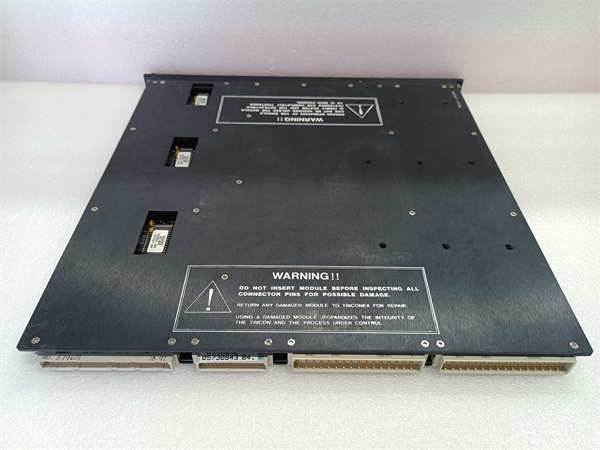
3704E TRICONEX
Lifecycle Status and Migration Strategy
Schneider Electric has discontinued the classic Tricon 3704E as part of its evolution toward the Triconex eXpress and Tricon CX platforms. While Tricon v10 systems remain supported, no new 3704E modules are manufactured, and official repair services are limited. Continuing to operate on this hardware carries significant risks: authentic spares are dwindling, pricing is unstable, and untested units may lack valid firmware or certification labels.
As an interim solution, only modules with verified part number, revision, and full functional testing—including TMR lane consistency validation under simulated fault conditions—should be deployed. Testing must confirm communication with the Tricon chassis and accurate signal reporting across all lanes.
Schneider’s recommended migration path is upgrade to Tricon CX, which uses modern I/O modules such as the CXAI-16 (16-channel analog input) with enhanced diagnostics, cybersecurity features, and native Ethernet connectivity. This transition requires:
- Replacement of I/O chassis and terminal assemblies
- Reconfiguration of application logic (though Tricon logic is largely reusable)
- Revalidation of SIFs to maintain SIL compliance
Until migration is complete, maintaining at least one verified 3704E module (with matching terminal base) per critical SIF is strongly advised to ensure rapid recovery and regulatory compliance.