 Tel:
Tel:  Email:
  WhatsApp:
 Description
Key Technical Specifications (For Spare Verification)
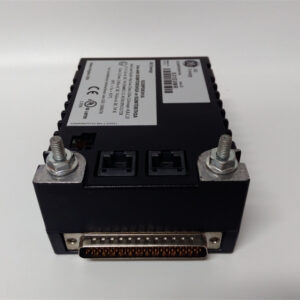
- Product Model: V7768-322001
- Alternate Part Number: 350-9301007768-322001
- Revision: A2
- Manufacturer: GE Power (formerly GE Energy)
- System Family: Mark VI Turbine Control Platform
- Module Type: Terminal Board Assembly for Analog Inputs (TBAS)
- Supported Signal Types: 4–20 mA, 0–5 VDC, thermocouples (depending on backplane configuration)
- Channel Count: Typically 16 channels per board (configurable via jumpers)
- Isolation: Galvanic isolation between field and controller sides
- Mounting: Snap-in to Mark VI I/O core rack backplane (paired with VME-based I/O processor)
- Diagnostic Features: LED indicators per channel (where applicable), continuity verified via system self-test
- Connector Type: Screw-terminal field side; high-density edge connector to backplane
System Role and Downtime Impact
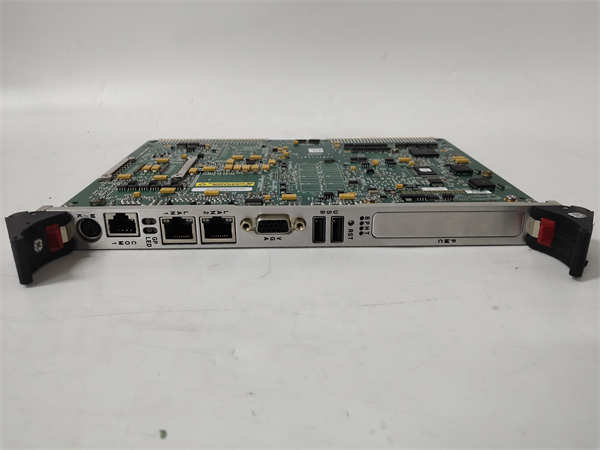
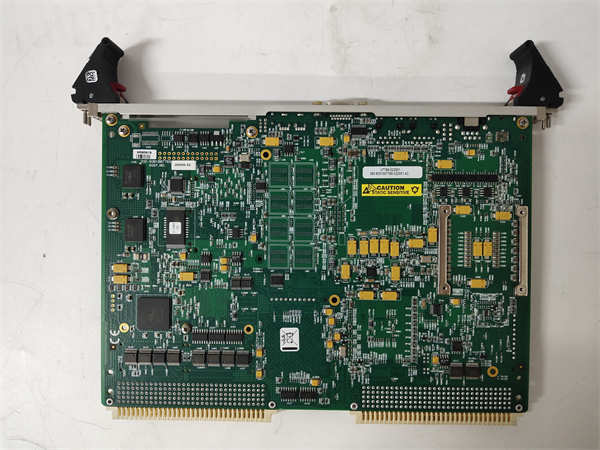
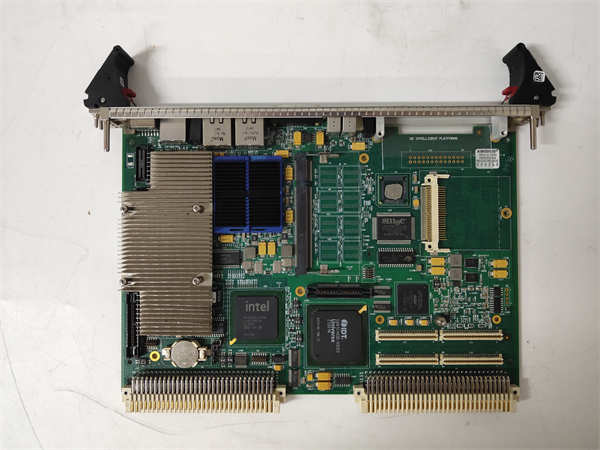
The GE V7768-322001 A2 is a terminal interface board used in the Mark VI control system—widely deployed in gas and steam turbines for power generation. It serves as the physical and electrical bridge between field instrumentation (such as bearing temperature RTDs, lube oil pressure transmitters, and axial displacement probes) and the central I/O processing modules. While not a “smart” module itself, it provides essential signal routing, filtering, and surge protection.
Failure modes such as open circuits, shorted terminals, or degraded isolation can cause erroneous sensor readings. In safety-critical loops, this may trigger a false turbine trip; in monitoring loops, it results in loss of visibility into machine health. Because the Mark VI architecture often uses redundant sensors tied to separate terminal boards, a single board failure may not immediately shut down the unit—but it degrades redundancy and increases vulnerability. Replacement requires system shutdown or hot-swap during maintenance windows, making spare availability crucial for outage planning.
Reliability Analysis and Common Failure Modes
This terminal board contains passive components (resistors, capacitors, fuses, and transient suppressors) with no active electronics, which generally enhances longevity. However, common failure mechanisms include:
- Corrosion or oxidation on screw terminals due to humidity or chemical exposure, leading to intermittent connections
- Blown miniature fuses from repeated surge events or wiring faults
- Cracked solder joints from thermal cycling or mechanical stress during insertion/removal
- Degraded MOVs or TVS diodes after multiple lightning or switching surges, reducing protection capability
A key vulnerability is its dependence on proper field wiring practices. Miswiring (e.g., voltage applied to current loop inputs) can damage both the terminal board and the upstream I/O processor. Additionally, the A2 revision may have specific jumper settings that must match the system configuration—incorrect setup leads to signal misinterpretation.
Preventive maintenance should include periodic torque checks on terminals, visual inspection for discoloration or arcing, and verification of fuse integrity during scheduled outages. Thermal imaging during operation can reveal abnormal heating at connection points.
V7768-322001 350-9301007768-322001 A2 GE
Lifecycle Status and Migration Strategy
GE has discontinued the Mark VI platform in favor of the Mark VIe and Mark VIeS systems. The V7768-322001 A2 is no longer manufactured, and official repair services are unavailable. Continuing to operate on this hardware carries clear risks: authentic spares are limited to certified surplus channels, and untested units may have hidden damage or incorrect revisions.
As an interim measure, only units with verified revision (A2), intact labeling, and full functional testing—including continuity, isolation resistance, and fuse status—should be deployed. Some third-party service providers offer board-level refurbishment, but this requires traceable component sourcing.
GE’s official migration path is a full upgrade to Mark VIe, which replaces the VME-based I/O architecture with Ethernet-based I/O packs (e.g., IO Pack with integrated terminal blocks). This transition eliminates reliance on discrete terminal boards like the V7768-322001 and offers enhanced diagnostics, cybersecurity, and remote access. While the upgrade requires significant engineering effort (including retermination and logic revalidation), it resolves long-term obsolescence across the entire control system. Until migration occurs, maintaining at least one verified spare per turbine is strongly recommended to support planned and emergency outages.