 Tel:
Tel:  Email:
  WhatsApp:
 Description
Key Technical Specifications (For Spare Parts Verification)
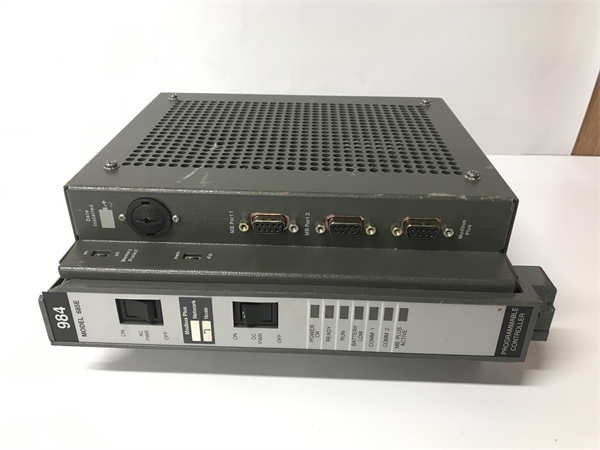
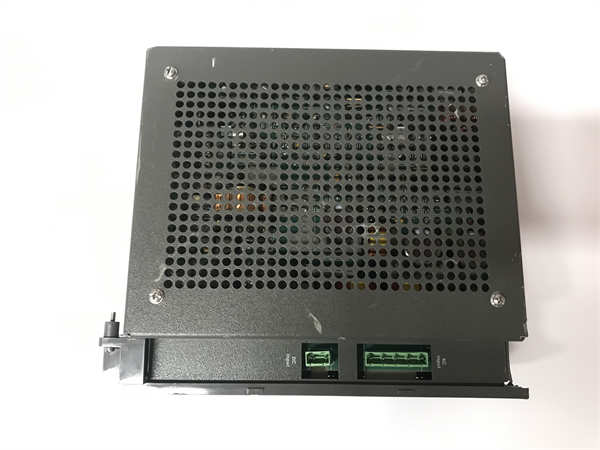
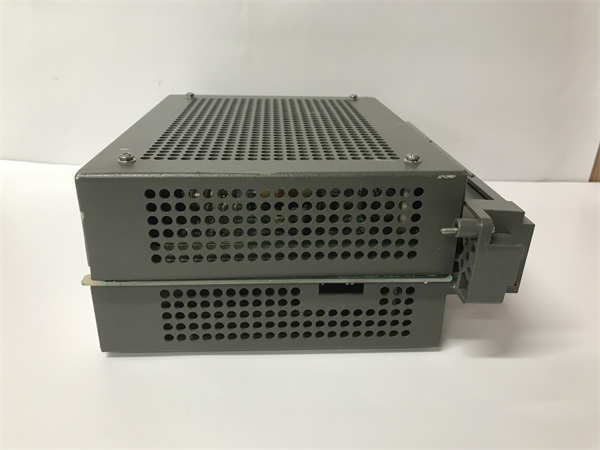
- Product Model: PC-E984-685
- Manufacturer: Schneider Electric
- System Family: Modicon Quantum (984 platform)
- Processor Type: Motorola 68040-based
- User Memory: 2 MB RAM (battery-backed), 1 MB flash for application storage
- Backplane Communication: Quantum I/O bus (proprietary parallel interface)
- Network Interfaces: Dual built-in Modbus Plus (MB+) ports
- Optional Communication: Supports optional ACC modules for Ethernet or other protocols
- Power Consumption: Approx. 5.5 W
- Physical Form: Standard Quantum rack-mount module (slot 1 required)
- Battery Type: BR2032 (for RAM retention), user-replaceable
System Role and Downtime Impact
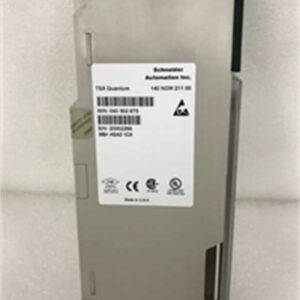
The PC-E984-685 serves as the central processing unit in Modicon Quantum control systems deployed primarily in water/wastewater treatment, power generation, and heavy industrial facilities during the late 1990s to mid-2000s. It occupies slot 1 of the Quantum backplane and coordinates all I/O scanning, logic execution, and network communication. If this module fails—due to memory corruption, battery depletion, or hardware fault—the entire control system halts. In continuous-operation environments such as pumping stations or boiler controls, this leads to immediate process stoppage, potential safety interlock activation, and regulatory compliance risks. Recovery without a verified spare can take days or weeks.
Reliability Analysis and Common Failure Modes
Despite its robust design, the PC-E984-685 exhibits predictable aging patterns common to early-2000s industrial electronics. The most frequent failure mode is loss of application program due to battery depletion. The BR2032 lithium battery typically lasts 5–7 years; once exhausted, volatile RAM contents (including the loaded program) are lost on power cycle. A second common issue is capacitor degradation on the internal power regulation circuitry, leading to unstable operation or boot failures. Additionally, the Modbus Plus ports are susceptible to damage from ground loops or ESD events, especially in unshielded installations.
Design weaknesses include reliance on a single non-redundant CPU (unless paired with a hot-standby configuration using a second 685) and lack of native Ethernet—requiring add-on communication cards for modern SCADA integration. For maintenance teams, critical actions include:
- Replacing the backup battery every 4–5 years preventively
- Verifying program integrity via Concept or Unity Pro software during routine checks
- Inspecting terminal blocks and MB+ network taps for corrosion or loose connections
- Maintaining at least one tested spare unit in climate-controlled storage
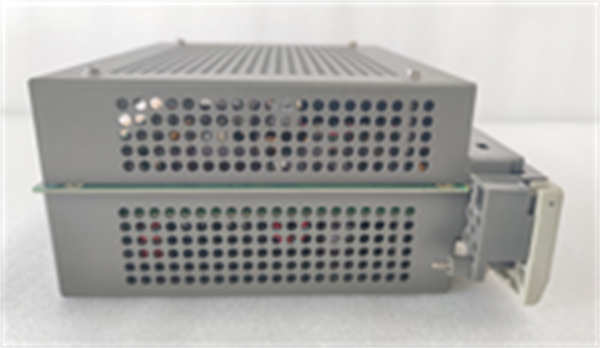
SCHNEIDER PC-E984-685
Lifecycle Status and Migration Strategy
Schneider Electric officially discontinued the PC-E984-685 under its Quantum product line, with end-of-life announcements issued over a decade ago. No factory-new units are available. Continued use carries significant risk: scarcity of tested spares, absence of firmware updates, and incompatibility with modern cybersecurity standards. While some third-party vendors offer refurbished units, functional verification is essential.
As a temporary measure, facilities may source and test surplus units, implement rigorous preventive maintenance, or deploy external watchdog systems to detect CPU faults early. However, the sustainable path is migration. Schneider’s recommended upgrade is to the M580 ePAC platform, which supports native Ethernet, OPC UA, and virtualization while offering backward compatibility through I/O remapping tools. Migration requires re-engineering the application in EcoStruxure Control Expert (formerly Unity Pro), but preserves much of the original logic structure. For sites not ready for full replacement, a hybrid approach—using M580 as a supervisory layer while retaining Quantum for local control—can extend asset life with reduced risk.