 Tel:
Tel:  Email:
  WhatsApp:
 Description
Technical Specifications (For Spare Part Verification)
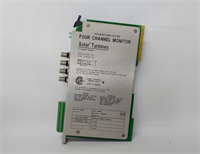
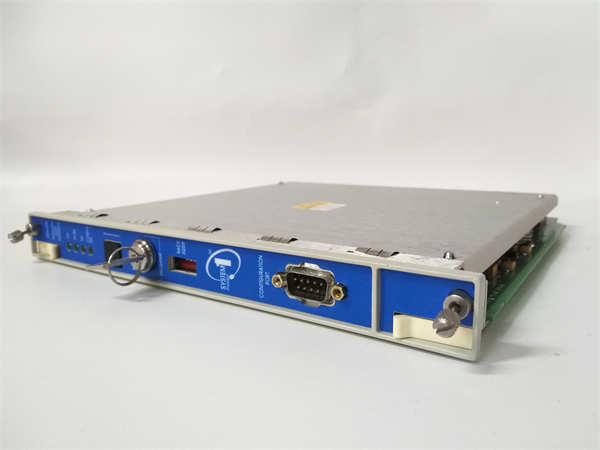
- Product Model: 3500/22M
- Manufacturer: Bently Nevada
- System Family: 3500/XX Machinery Protection System (v3.x or v4.x framework)
- Input Channels: 2 independent channels, compatible with Bently proximity probes (e.g., 3300/3301 series) or seismic velocity sensors
- Input Type: -24 VDC powered proximity probe (typically 8 mV/µm), or AC-coupled velocity sensor
- Measurement Parameters: Radial vibration (peak-to-peak displacement), shaft position (DC gap), or casing vibration (RMS velocity) – configured via internal jumpers or software
- Alarm/Trip Logic: Independent programmable thresholds for Alert and Danger per channel; supports AND/OR voting between channels
- Output Interfaces: Relay contacts (Form C) for Alert and Danger per channel; optional 4–20 mA proportional output (if equipped with /AO option)
- Backplane Communication: Proprietary 3500 bus; requires 3500/20 or 3500/25 rack interface module
- Firmware Revision: Critical – must match existing system (e.g., Rev A, B, or C); newer revisions may not be backward compatible
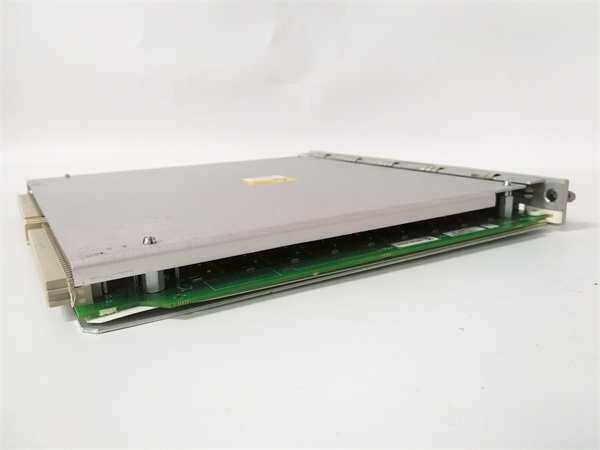
- Physical ID: Label includes “3500/22M” and revision code; serial number traceable to original calibration record
System Role and Downtime Impact
The Bently Nevada 3500/22M is a foundational component in legacy 3500-based machinery protection systems, typically deployed on mid-sized turbomachinery where dual-channel monitoring (e.g., X/Y radial vibration) is required. It resides in the I/O layer of the 3500 chassis and directly drives trip relays that interface with the plant’s emergency shutdown (ESD) system.
If the 3500/22M fails—due to internal logic fault, power regulation issue, or sensor input circuit damage—the associated protection function is lost. In high-risk applications such as refinery compressors or power plant turbines, this creates an unacceptable safety gap: the machine may continue to operate beyond safe vibration limits without triggering a shutdown, potentially leading to bearing seizure, rotor rub, or catastrophic failure. Most operators classify this as a critical spares item, and its unavailability often forces derating or planned outage until a verified replacement is installed and the protection logic is revalidated.
Reliability Analysis and Common Failure Modes
Although designed for industrial environments, the 3500/22M exhibits predictable aging patterns due to its analog-heavy architecture and reliance on early-generation surface-mount components. The most common failure mode is drift in the front-end signal conditioning circuitry, causing false alarms or missed trips—often triggered by thermal cycling over decades of service.
A key vulnerability is the onboard electrolytic capacitors in the power supply section, which degrade after 15–20 years, leading to intermittent resets, output latch-up, or complete power dropout. Additionally, the relay driver transistors are susceptible to voltage spikes from external wiring, especially if surge suppression is absent on the alarm/trip output lines. Units with the /AO (analog output) option are further prone to DAC drift, resulting in inaccurate 4–20 mA signals.
Recommended preventive actions include:
- Verifying relay contact resistance annually (<100 mΩ) using a low-resistance ohmmeter
- Inspecting for bulging or leaking capacitors during routine cabinet maintenance
- Ensuring all field wiring is shielded and grounded at one end to minimize EMI-induced noise
- Performing full functional tests using a Bently calibrator (e.g., VC-201) every 24 months to validate alarm/trip thresholds
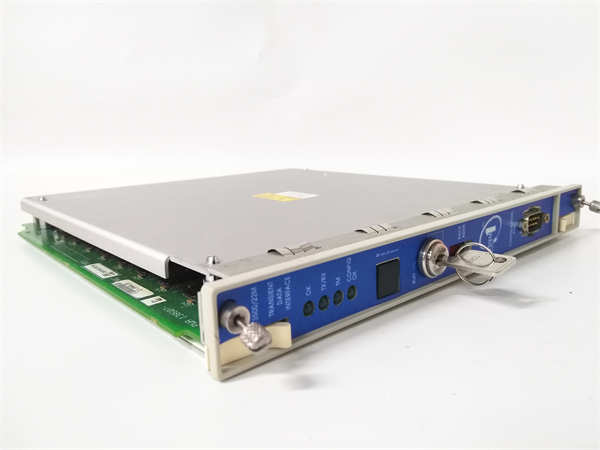
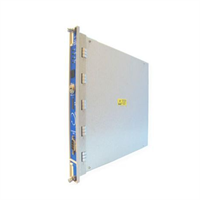
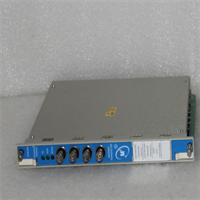
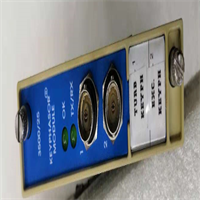
Bently Nevada 3500/22M
Lifecycle Status and Migration Strategy
Bently Nevada officially discontinued the 3500/22M several years ago. While some New Old Stock (NOS) or refurbished units remain in the market, they lack factory warranty and may have unknown storage or operational history. Continued use carries regulatory risk, particularly in jurisdictions enforcing IEC 61511 or API 670, where untraceable or non-supported components may invalidate safety certification.
As an interim measure, facilities should:
- Secure at least two fully tested spares with calibration certificates
- Implement redundant monitoring via external vibration switches for critical machines
- Avoid using untested or broker-sourced units in SIL-rated functions
For long-term reliability, Baker Hughes recommends migrating to the 3500/42M (dual dynamic data monitor) or 3500/45 (multi-channel monitor), which offer enhanced diagnostics, Modbus communication, and compatibility with modern 3500/94 or 3500/92 communication gateways. This migration path requires:
- Updating the 3500 framework firmware to v4.20 or higher
- Reconfiguring alarm logic in Rack Configuration Software (RCS)
- Recalibrating all connected sensors to match new module input characteristics
- Revalidating the entire machinery protection function per API 670 guidelines
Given the 3500/22M’s role in asset protection, treating it as a time-limited liability—not a permanent solution—is essential for operational continuity and compliance.